
Hemp seed oil shows up in an expanding range of products, from salad dressings and smoothie powders to facial serums and protein bars. If you have stood in front of the supplement shelf or the cooking oil aisle wondering which variety to pick, you are not alone. The difference between cold-pressed and refined hemp seed oil genuinely matters, yet the technical language around these options often clouds the practical decision for everyday consumers and food brands alike.
This guide cuts through the jargon for individual buyers making household choices and for product developers selecting ingredients.
What actually happens during processing
Understanding the core difference starts with what each method does to the original seed oil.
Cold-pressed: minimal intervention
Cold-pressed extraction uses mechanical pressing without applied heat. Seeds enter the press at ambient temperature, and high pressure forces out the oil while friction generates only modest warmth. This keeps the oil’s original nutritional composition and natural character.
The result retains chlorophyll from the seed hulls, giving it the deep green color. Small particles stay suspended, giving a slightly cloudy look next to filtered oil. Most important, heat-sensitive compounds including omega-3 fatty acids, gamma-linolenic acid (GLA), and vitamin E remain in their original, bioactive forms.
Refined: purposeful transformation
Refined hemp seed oil goes through extra steps meant to create a more neutral, stable product for varied uses. Refinement typically includes degumming, neutralization, bleaching, and deodorization.
Degumming removes phospholipids and proteins that cause cloudiness. Neutralization eliminates free fatty acids behind off-flavors and faster rancidity. Bleaching strips chlorophyll and other pigments, producing the pale yellow familiar from commodity cooking oils. Deodorization uses high-temperature steam to remove volatile compounds, including most of the omega-3 content.
The practical result: refined oil trades nutritional density for longer shelf life, neutral flavor, and consistent appearance. For manufacturers making stable, predictable products at scale, those tradeoffs make commercial sense. For consumers prioritizing maximum nutrition, the loss matters.
Nutritional comparison: what the numbers show
The processing differences show up directly as measurable nutritional variation that affects both health outcomes and label claims.
| Component (per tablespoon) | Cold-pressed | Refined |
|---|---|---|
| Omega-3 (ALA) | 2,700mg | 2,100mg |
| Omega-6 (LA) | 5,400mg | 5,700mg |
| GLA | 450mg | 360mg |
| Vitamin E | 3.9mg | 1.8mg |
| Phytosterols | 265mg | 145mg |
| Chlorophyll | Present | Removed |
| Saturated fat | 1g | 1g |
The 20-30% drop in key nutrients during refining is meaningful for anyone using hemp seed oil as a supplement or functional ingredient. That said, refined oil still keeps substantially more nutrition than many common cooking oils, so it remains a reasonable choice when handling convenience outweighs maximum nutrition.
Practical guide: choosing for your lifestyle
When cold-pressed makes sense
Cold-pressed suits buyers and uses where nutritional density beats convenience.
- Dietary supplementation: if you take hemp seed oil for its omega content, cold-pressed delivers measurably more per serving. Drizzle it over salads, blend into smoothies, or take it by the spoonful.
- Cold applications: salad dressings, dips, finished dishes, and anything where the oil is not exposed to heat. Its nutty, slightly earthy flavor complements vegetables, grains, and proteins without overwhelming them.
- Premium formulations: brands positioning products as premium, artisanal, or functional benefit from cold-pressed oil’s authentic, minimally processed story.
- Short-term storage: households that use oil quickly, refrigerate it, and prioritize fresh consumption can manage cold-pressed’s shorter shelf life without waste.
When refined serves better
Refined oil addresses practical realities that matter for many consumers and for all high-volume manufacturing.
- High-temperature cooking: refined oil has a higher smoke point than cold-pressed, so it suits light sautéing and baking where cold-pressed would degrade. For high-heat frying, neither type performs well.
- Manufactured products with long shelf needs: commercial products moved through retail, warehouses, and supply chains need the extended stability refined oil provides.
- Flavor-sensitive applications: protein bars, confectionery, and products where hemp’s nutty flavor would fight the intended taste need refined oil’s neutral profile.
- Cost-conscious bulk: refined oil’s lower price and longer shelf life cut effective cost per use and reduce waste from expiration.
How to store and use hemp seed oil
Storage strongly affects both quality and shelf life.
Cold-pressed storage best practices
Refrigeration is essential for cold-pressed oil. Its high polyunsaturated fat content makes it prone to oxidation, and warmth speeds degradation. Refrigerate immediately after opening and use within 4-6 weeks for best quality.
Dark glass adds protection against light-induced oxidation. If you buy clear bottles, move the oil to opaque containers or keep it in the fridge door where light exposure is minimal.
Signs of spoilage include a sharp, paint-like odor and a progressively bitter taste. When cold-pressed oil develops these, discard it and get a fresh supply.
Refined oil handling
Refined oil tolerates room-temperature storage in a cool, dark cabinet. Refrigeration can extend quality but is not required. Its shelf life, typically 12-18 months sealed and 6-12 months after opening, gives reasonable flexibility for normal household use.
Reading labels: what to look for
Labeling gives the information you need to buy with confidence.
- Look for “cold-pressed” or “unrefined”: when maximum nutrition matters, check the exact term. Some products labeled “organic” or “raw” still get refined, which removes nutritional value.
- Check the ingredient list: pure hemp seed oil has one ingredient. Any additives, antioxidants, or stabilizers signal extra processing or preservation.
- Note the color: deep green points to retained chlorophyll typical of cold-pressed oil. Pale yellow or near colorless suggests refinement.
- Verify organic certification: both types can carry it. For buyers prioritizing organic sourcing, look for USDA or equivalent seals.
Comparing value: price and performance
Cold-pressed typically carries a 30-50% retail premium over refined. That gap reflects lower production volumes and the difficulty of holding quality through a shorter shelf life.
For daily supplement users, the extra cost delivers real nutritional benefit. A tablespoon of cold-pressed gives roughly 25% more omega-3 than the same amount of refined. Whether that premium is worth it depends on budget, health priorities, and usage.
For households that struggle to finish products before quality drops, refined’s longer shelf life may actually be better value despite lower per-unit nutrition. Using a full bottle of refined beats wasting half a bottle of premium cold-pressed.
Health applications: matching oil type to goals
Fatty acid composition
Research on hemp seed oil’s cardiovascular benefits centers on its balanced omega-3 to omega-6 ratio, around 1:3, which fits dietary guidance for inflammatory balance. For buyers targeting heart health through supplementation, cold-pressed’s superior omega-3 gives more direct support.
Refined oil still contributes meaningful omega fatty acids and GLA for general wellness. The “better” choice depends on whether you use hemp oil as a targeted supplement or a general dietary add-in.
Skin and topical use
Both types help skin care. Cold-pressed’s vitamin E and chlorophyll may add antioxidant protection, though the difference is minor for topical use where digestion is irrelevant.
For commercial cosmetic formulations, refined oil’s neutral profile and extended stability often make it the preferred choice. For homemade recipes, cold-pressed’s natural composition appeals to buyers avoiding processed ingredients.
Dietary fibre
Hemp seed oil’s fiber, preserved in both types, supports regularity. Cold-pressed retains more of the seed’s original fiber fraction, possibly a modest extra benefit. Both serve buyers seeking plant-based protein.
For product developers and brands
Food manufacturers and cosmetic brands choosing hemp seed oil face considerations beyond personal use.
- Supply chain stability: refined oil’s longer shelf life simplifies inventory and reduces quality claims from expired ingredients. Cold-pressed needs tighter production scheduling and cold-chain logistics.
- Labeling and claims: cold-pressed supports stronger “high in omega-3” or “rich in GLA” claims from its superior profile. Refined limits structure-function claims while still allowing general wellness positioning.
- Consumer education: whether your customers are label-savvy supplement users or casual buyers affects which oil fits your positioning. Cold-pressed appeals to ingredient-conscious buyers who read labels and know processing differences.
- Margin structure: premium products for affluent, health-focused buyers can justify cold-pressed’s higher ingredient cost through matching retail pricing. Volume products competing on price typically need refined’s cost advantage.
Making your decision
The choice between cold-pressed and refined has no universal right answer. The best pick depends on your circumstances, priorities, and usage.
Choose cold-pressed if:
- Maximum nutrition is the priority
- You use oil quickly and store it properly
- You prefer clean-label, minimally processed products
- Premium pricing fits the budget
- Your application involves cold preparations only
Choose refined if:
- Convenience and shelf stability matter more than marginal nutrition gains
- You need neutral flavor for cooking or manufacturing
- Budget constraints shape the purchase
- Your supply chain requires extended ingredient shelf life
- You are making products for retail distribution
Consider both: many households keep refined oil for cooking and cold-pressed for supplementation. Using the right oil for each application maximizes quality and value across uses. HEMPLAND provides both cold-pressed and refined hemp seed oil options, so you can choose based on the application.
Conclusion
Cold-pressed and refined hemp seed oil are genuinely different products for different purposes, not one being universally superior. Both deliver the omega fatty acid balance that makes hemp seed oil valuable, and both beat commodity cooking oils on nutritional profile and function.
Your situation decides which serves you better. For most daily supplement users, cold-pressed delivers measurably superior nutrition worth the modest premium. For manufactured products, high-volume uses, or flavor-sensitive formulations, refined’s practical advantages fit professional requirements.
Understanding these differences lets you buy with confidence instead of leaning on marketing or confusing terminology. Whether you choose cold-pressed or refined, adding organic hemp seed oil to your diet provides genuine health benefits that justify its place in a wellness-oriented lifestyle.
—
Recommended Products

Organic Hemp Seed Oil
Premium organic hemp seed oil — cold-pressed, virgin & extra virgin grades. Perfect 3:1…
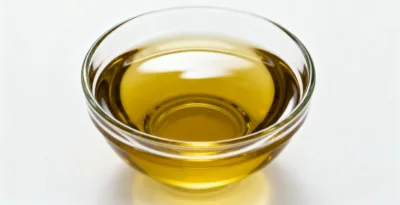
Organic Refined Hemp Seed Oil
100% Certified Organic • Non-GMO ingredient • Neutral Flavor • High Smoke Point 232°C
Related Posts