The hemp protein shelf has grown fast, and not all of that growth has been good for buyers. Retail shelves and online marketplaces now carry products of varying quality, sometimes under near-identical labels. Nutritional content, purity, taste, and value can differ dramatically from one tub to the next, so anyone buying organic hemp seed protein needs to know which indicators actually matter before spending money.
This guide lays out practical criteria for choosing high-quality organic hemp seed protein powder, whether you’re buying for your own kitchen or evaluating an ingredient for commercial formulations.
Understanding hemp protein quality basics
What quality means in hemp protein
Quality in hemp protein is four things stacked together. Nutritional integrity comes first: the powder should retain what makes hemp valuable, meaning the amino acids, minerals, fiber, and omega fatty acids that separate it from refined isolates. Purity and safety are non-negotiable: no heavy metals, microbial pathogens, pesticide residues, or chemical residues belong in the tub.
Freshness and stability mean proper processing and storage preserve product quality through the shelf life period. Authenticity and labeling accuracy mean the product actually contains what the label claims, in the quantities and quality stated. A product failing any of these dimensions should be avoided regardless of price or marketing appeal.
Why quality variation exists
So why does quality swing so widely? It starts with the seed itself: genetics, growing conditions, and harvest timing shape nutritional content before a processor ever gets involved. Extraction and drying methods then protect or squander that potential, because different approaches affect protein quality and functional properties differently.
Handling practices matter more than most shoppers realize. Temperature exposure, moisture contact, and storage duration during transport quietly degrade careless batches. And certification programs differ in requirements and verification rigor, which explains why products appearing similar may differ substantially in actual quality.
Essential quality indicators
Certification verification
Organic certification is the most important quality signal here. Look for USDA Organic, EU Organic, or equivalent certifications, verify the certificate is current and covers the specific product, and make sure the organic claim applies to the protein powder itself, not just the hemp seeds.
Non-GMO verification adds a second layer: hemp rarely contains GMOs, but Non-GMO or equivalent confirms testing and segregation practices that prevent contamination somewhere along the line. Third-party testing completes the picture: ask for a COA (Certificate of Analysis) from accredited laboratories covering protein content, heavy metals, microbiology, and pesticides.
Sensory quality assessment
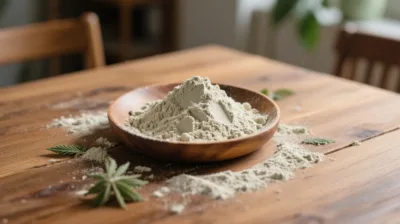
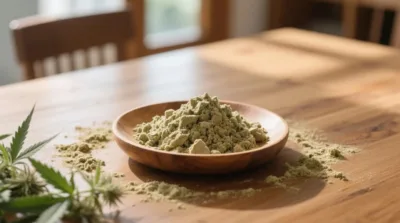
Your senses catch problems certificates miss. Color comes first: quality hemp protein shows a consistent, natural greenish color. Too pale may indicate excessive processing or low-quality sources, brownish or grayish suggests oxidation or aging, and even color throughout the container points to proper processing.
Smell matters just as much: fresh hemp protein smells pleasantly nutty, off-odors, rancidity, or chemical smells suggest quality problems, and overwhelming odors may indicate excessive processing. Texture finishes the inspection: fine, uniform particles mix relatively easily in liquids, gritty or inconsistent texture suggests inferior processing, and it should never feel waxy or artificially smooth.
Label evaluation
Read the ingredient list like a skeptic: ideally it contains only “Organic Hemp Protein” or similar minimal descriptors. Long lists of additives, stabilizers, or artificial ingredients are grounds to walk away, and watch for “hemp protein isolate,” which suggests exactly the excessive processing you’re trying to avoid.
The numbers deserve equal scrutiny: standard hemp protein contains approximately 50-60% protein by weight, claims far above that range may indicate adulteration or non-hemp additions, and fiber should typically appear in the 20-30% range. Finally, check origin information: country of origin listed, manufacturer details available, batch numbers enabling traceability.
Premium quality markers
Processing method indicators
Cold-pressed processing preserves more nutritional integrity because mechanical extraction without heat exposure keeps temperatures low, maintaining protein structure and delivering better retention of heat-sensitive nutrients. Minimal refinement follows the same logic: less processing typically means better quality, which is why single-ingredient products without extensive modification tend to hold onto their fiber, nutritional complexity, and natural color and flavor.
Air classification deserves a mention as well. This separation technique produces consistent protein content without chemical intervention while maintaining the integrity of the nutritional matrix, and it’s common in quality organic production.
Nutritional profile indicators
Lab work should back up the label. A complete amino acid profile, confirmed by testing, means all nine essential amino acids are present in meaningful quantities with balanced ratios supporting human nutrition. Fiber retention tells its own story: content typically running 20-30% of product weight signals minimal processing and contributes real digestive benefits.
Mineral content rounds out the profile. Zinc, magnesium, and iron levels indicate processing quality, testing documentation confirms mineral retention, and higher mineral content generally indicates better processing overall.
Additional quality signals
A few quieter signals reward attention. Vitamin E presence indicates gentle processing, B vitamin retention suggests proper handling, and natural vitamin content adds real value.
Although oil extraction removes most fat, quality hemp protein keeps small amounts of omega-3 and omega-6 in a balanced ratio that supports its nutritional positioning. Antioxidants belong here as well: phenolic compounds from hemp’s natural composition, protective vitamin E, and chlorophyll contribute to the overall antioxidant profile.
Red flags to avoid
Warning signs in products
Some claims should stop you mid-scroll. Unrealistic protein claims top the list: anything exceeding 65-70% warrants skepticism, since standard hemp protein ranges from 50-60% and higher figures usually point to adulteration with other proteins; lab verification settles that quickly.
Suspiciously low pricing is the second red flag. Quality hemp protein requires appropriate production costs, so significantly below-market pricing usually means compromises happened somewhere; certification, testing, and proper processing all cost money, and honest pricing should reflect that investment. Missing documentation comes third: no organic certificate despite an organic claim, no third-party test results available, vague or unverifiable sourcing claims. Excessive shelf life claims finish the list: hemp protein degrades over time, promises beyond 24 months suggest excessive processing, quality products typically carry 12-18 months, and proper storage requirements should be specified.
Supplier warning signs
Supplier behavior reveals as much as the product: reputable companies provide accessible contact information, manufacturer or distributor details, and working customer service or technical support, while anonymous, untraceable entities are a reason to leave.
Reluctance to share documentation ends conversations fast: refusal to provide a COA, resistance to certification verification requests, or evasion about sourcing and production all disqualify a supplier. Reputation closes the loop: multiple complaints, a history of quality problems or recalls, and limited industry presence all matter in ingredient sourcing.
Storage and shelf life management
Optimal storage conditions
Even excellent powder degrades under poor storage, so plan around four enemies. Heat comes first: ideal storage sits below 70°F (21°C), refrigeration provides additional protection, and containers stay away from heat sources.
Moisture is the second enemy: airtight containers prevent moisture absorption, desiccant packets help once opened, and bathrooms are among the worst storage spots thanks to humidity swings. Light is third: original opaque packaging protects, extra dark containers help, and clear jars on sunny shelves quietly undo the rest. The fourth enemy is odor. Hemp protein absorbs smells readily, so seal it tight and keep it away from spices, coffee, or cleaning products.
Shelf life expectations
Unopened, expect 12-18 months of good quality, with well-made products extending toward 24 months; the “best by” date marks a minimum quality period, so buy within a reasonable time of production.
Opened, quality declines steadily: use within 6-12 weeks for optimal results, refrigerate to extend usability, and treat visual or odor changes as early warnings. The degradation signs worth monitoring are off-odors or rancidity development, color drifting toward brown or gray, clumping or texture changes, and flavor deterioration.
Purchasing channels and sources
Recommended sources
Where you buy shapes what you get. Established supplement retailers curate before you ever see the shelf: natural foods stores with quality standards, specialty retailers with testing requirements, and online retailers with verified seller programs filter out risk on your behalf.
Buying direct from manufacturers adds another: manufacturer websites carry their quality documentation, verified marketplace sellers offer accountability, and subscription services with quality verification suit regular users who don’t want to re-vet every order. For larger quantities or business use, professional channels fit better: foodservice ingredient suppliers, commercial supplement manufacturers, and B2B platforms with quality verification.
Sources to approach cautiously
Two channel types deserve skepticism. Unknown marketplace sellers offer limited accountability, make certifications and testing hard to verify, and carry real counterfeit or mishandling risk. Extreme discounts raise the same question every time: quality production has legitimate cost minimums, so deep discounts may signal compromised goods, and the risk of counterfeit or expired products is never zero.
Cost considerations and value analysis
Understanding price differences
Quality costs money for unglamorous reasons: certification fees and compliance costs, third-party testing expenses, proper equipment and procedures, and careful storage and handling across the supply chain. In practice the market sorts into three tiers: budget products ($15-25 per pound) offer basic quality with limitations, mid-range ($25-40 per pound) pairs good quality with appropriate certifications, and premium ($40-60 per pound) delivers superior quality backed by extensive testing.
Value beats cost despite higher prices: higher protein content per serving may reduce effective cost, better digestibility improves protein utilization, and superior taste reduces waste from unused product.
Making cost-benefit assessments
Three habits make the math honest. First, calculate cost per serving, because price per pound means little without serving size information: base the number on recommended use, compare protein delivered per serving across products, and factor in fiber and minerals beyond pure protein.
Second, match the purchase to usage patterns: daily users benefit more from a quality investment, occasional users accept different tradeoffs, and commercial users weigh different economics. Third, factor in waste reduction: better taste improves compliance, smoother mixing reduces preparation headaches, and stable quality cuts returns and complaints downstream.
Making final decisions
Quality evaluation checklist
When you’re down to your final two candidates, verify the fundamentals:
- Organic certification is current and verifiable
- Third-party testing documentation is available
- Ingredient list shows minimal, recognizable components
- Protein content aligns with the typical hemp range (50-60%)
- Sensory quality appears good upon visual and olfactory inspection
- Supplier provides adequate contact and support information
- Price aligns with quality tier expectations
- Storage requirements and shelf life appear reasonable
Common purchasing mistakes to avoid
Most disappointing purchases trace back to five familiar errors: prioritizing price over quality (false economy), ignoring the certifications that verify quality, overlooking sensory cues visible on plain inspection, accepting vague claims instead of demanding specifics, and ignoring storage requirements until improperly stored product degrades unopened.
Conclusion
Choosing high-quality organic hemp seed protein powder comes down to checking defined dimensions: certification, sensory characteristics, nutritional integrity, and supplier credibility. Run those checks, and purchases follow that protect health and investment alike.
Quality hemp protein provides complete amino acid support, meaningful mineral content, dietary fiber, and other benefits that distinguish it from refined protein isolates. Poor quality products may deliver none of that while adding exposure to contaminants or misleading labeling. Against that gap, careful evaluation is a worthwhile investment, especially with clean-label appeal and market availability both rising.
Follow these criteria and you can select hemp protein with confidence, whether formulating a product or blending breakfast. HEMPLAND’s organic hemp seed protein powder checks all the boxes above: third-party tested, certified organic, and available in flexible packaging.
Recommended Products
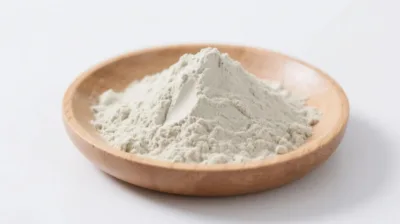
Organic Hemp Seed Protein
Premium organic hemp seed protein powder — 70%, 75%, 80% protein grades. Complete plant…
Related Posts