What are peptides and how do they differ from protein powder?
Protein powders have dominated the supplement market for decades. Organic hemp peptide powder, however, represents a different category entirely, one that operates on a distinct biochemical principle. The difference between the two is not merely a question of processing. It comes down to molecular size, absorption mechanics, and how the body actually uses nitrogen-containing compounds after ingestion.
When you consume a standard organic hemp protein powder, your digestive system must break those structures down, first through stomach acid denaturation, then through enzymatic cleavage by proteases in the small intestine, before individual amino acids and small peptides can enter the bloodstream.
Peptides are different. They arrive pre-digested, so to speak. Through controlled enzymatic hydrolysis, the long protein chains are cut into shorter fragments consisting of 2 to 20 amino acids. These smaller units, called peptides, bypass much of the digestive work required by intact proteins.
This structural difference has real physiological consequences. Research published in the Journal of the International Society of Sports Nutrition shows that peptides are absorbed through a dedicated transport system (PepT1) in the intestinal wall, whereas free amino acids and intact proteins use separate pathways. Having multiple absorption routes means less competition at the transport level and a faster overall rate of entry into circulation.
How hemp peptides are made: the enzymatic hydrolysis process
The production of organic hemp peptide powder starts with cold-pressed hemp protein, the material left after hemp seeds have had their oil mechanically extracted. This protein-rich press cake undergoes a carefully controlled process called enzymatic hydrolysis.
Specific food-grade enzymes are added to a water-based slurry of hemp protein under precise temperature and pH conditions. These enzymes act like molecular scissors, cutting the long protein chains at predictable locations. The duration of hydrolysis, enzyme type, and processing conditions all affect the final peptide profile, determining the average molecular weight, the distribution of chain lengths, and ultimately how the body processes the result.
After hydrolysis, the mixture passes through filtration steps that remove larger undigested fragments. The filtrate is then spray-dried to produce a fine powder with a molecular weight profile skewed heavily toward smaller peptides. HEMPLAND’s organic hemp peptide powder typically has a molecular weight distribution with a significant proportion of peptides below 1,000 Daltons, the threshold below which absorption efficiency increases markedly.
What distinguishes hemp from other peptide sources is the starting protein quality. Hemp seed protein naturally contains all nine essential amino acids. The two main storage proteins, edestin (a globulin) and albumin, both have balanced amino acid profiles. Edestin in particular is structurally similar to proteins found in human blood plasma, which may partially explain its digestibility.
Absorption and bioavailability: what the research shows
The core selling point of peptides over intact proteins is absorption speed. A 2018 study in the journal Nutrients examined plasma amino acid kinetics after ingestion of hydrolyzed versus intact whey protein. Peak leucine concentrations appeared roughly 30 minutes faster with the peptide form. While this study used whey, the underlying absorption mechanics apply broadly to all peptide products.
The key physiological mechanism is the PepT1 transporter system mentioned earlier. This transporter sits embedded in the membrane of intestinal cells, actively pulling di- and tri-peptides from the gut lumen into the bloodstream. Unlike free amino acids, which require sodium-dependent transporters and can face competitive inhibition, peptide transport is proton-coupled and generally faster under most digestive conditions.
For hemp protein specifically, research shows that enzymatic hydrolysis significantly improves what nutrition scientists call the degree of hydrolysis, a measure of how thoroughly the protein has been broken down. A 2020 study in the Journal of Food Science evaluated hemp protein hydrolysates and found that hydrolysis with specific enzyme combinations increased solubility from roughly 10 percent to over 80 percent, meaning the peptide powder disperses more readily in water and becomes available for absorption more quickly.
This matters in practical terms. An athlete consuming a post-workout shake needs amino acids circulating rapidly to support muscle protein synthesis. An elderly person with reduced digestive capacity needs protein that places minimal demand on their system. A formulator developing a clear protein beverage needs a raw material that dissolves without leaving sediment. In each case, the peptide form offers advantages the intact protein does not.
Bioactive peptides: beyond basic nutrition
Perhaps the most interesting dimension of organic hemp peptide powder is the presence of bioactive peptides, specific amino acid sequences that exert physiological effects beyond simple nutrition. These short chains can interact with receptors, enzymes, and signaling pathways in ways that have drawn substantial research attention.
Hemp protein contains peptide sequences that, when released through hydrolysis, have demonstrated measurable biological activities. A 2019 review in the journal Molecules catalogued the bioactive potential of hemp-derived peptides, noting evidence for several categories of activity.
Antioxidant activity appears in multiple hemp peptide fractions. Certain sequences containing hydrophobic amino acids and specific aromatic residues can scavenge free radicals and chelate pro-oxidant metal ions. This is not unique to hemp, many plant and animal proteins yield antioxidant peptides upon hydrolysis, but hemp’s particular amino acid composition makes it a notable source.
ACE-inhibitory activity is another category of interest. Angiotensin-converting enzyme (ACE) is involved in normal vascular regulation. Several hemp-derived peptide sequences have shown ACE inhibition in laboratory assays, comparable to peptides from more studied sources like casein or fish protein. Whether these in-vitro effects translate to meaningful blood pressure changes in humans remains an open research question requiring clinical trials.
What sets hemp apart from many other plant sources is that the bioactive properties survive processing. The gentle enzymatic hydrolysis used to produce hemp peptide powder does not destroy these functional sequences the way high-heat or chemical processing might. This dual functionality, nutritional plus bioactive, gives hemp peptides a distinctive position in the market.
Applications in sports nutrition
Sports nutrition represents the largest commercial application for peptide powders, and organic hemp peptide powder fits several distinct use cases within this category. For a deeper look at recovery specifically, see the hemp peptide for muscle recovery guide.
Post-workout recovery is the most obvious application. Exercise damages muscle tissue at the microscopic level, and the body’s repair response requires a supply of amino acids. Because peptides enter the bloodstream more rapidly than intact proteins, they can theoretically support faster initiation of muscle protein synthesis when consumed after training. The combination of rapid absorption and a complete amino acid profile makes hemp peptides a practical option for athletes following plant-based diets.
Intra-workout nutrition, consuming nutrients during exercise, is another application where peptides excel. Drinks containing intact protein tend to cause gastrointestinal discomfort when consumed mid-exercise because blood flow shifts away from digestion toward working muscles. Peptide-based formulas, being partially pre-digested, place less demand on the digestive system and are less likely to cause bloating or cramping.
Clear protein beverages constitute a growing market segment where hemp peptides have technical advantages. Standard protein powders produce milky, opaque drinks because the large protein molecules scatter light. Peptide powders with lower average molecular weight dissolve into transparent or translucent solutions. This matters not just for aesthetics, clear beverages open up flavor possibilities (fruit-based rather than cream-based profiles) and packaging options (clear bottles rather than opaque containers).
For formulators and brands considering plant-based sports nutrition products, the difference between hemp peptides and hemp protein is a critical product design decision. Peptides cost more but offer functional properties, clarity, speed, and solubility, that proteins cannot match.
Functional food and beverage applications
Beyond sports nutrition, organic hemp peptide powder provides protein enrichment for a range of everyday food products. Its functional properties make it suitable for applications where standard protein powders create technical problems.
Beverage fortification is one such application. Ready-to-drink protein beverages, meal replacement shakes, and protein waters all benefit from peptide forms because they remain stable in solution over shelf life. Standard protein powders tend to sediment, forming an unappealing layer at the bottom of the bottle. Hemp peptides, with their higher solubility, stay suspended longer and create a cleaner mouthfeel.
Snack bars and baked goods present a different set of challenges. Intact proteins bind water aggressively during baking, sometimes producing dry, crumbly textures. Peptide powders have lower water-binding capacity while still delivering the same protein content per gram. This allows formulators to achieve higher protein claims without compromising texture.
Plant-based dairy alternatives, yogurts, cheeses, ice creams, can also benefit from peptide enrichment. The peptides integrate into the product matrix without the grittiness or chalkiness sometimes associated with protein isolates. This is valuable in a market segment where texture remains a significant consumer complaint.
Clinical and medical nutrition applications complete the picture. Patients with compromised digestive function, whether from illness, surgery, or age-related decline, often struggle to absorb enough protein from whole foods or standard powders. Peptide-based formulas are used in enteral feeding products precisely because they require minimal digestion. While hemp peptides in clinical settings remain less common than whey or casein peptides (which have longer track records of clinical use), the underlying absorption advantage applies regardless of protein source.
Nutritional profile and amino acid composition
Understanding what organic hemp peptide powder actually delivers nutritionally is essential for both consumers and formulators. The nutritional data tell a clear story.
A typical 30-gram serving of hemp peptide powder provides approximately 23 to 25 grams of protein, depending on the specific batch and hydrolysis conditions. This translates to roughly 80 percent protein content by weight, higher than standard hemp protein concentrate but comparable to isolates.
The amino acid profile is complete, containing all nine essential amino acids the human body cannot synthesize. Of particular note is the branched-chain amino acid (BCAA) content, leucine, isoleucine, and valine, which together make up approximately 18 to 20 percent of total protein. Leucine specifically functions as the primary trigger for muscle protein synthesis, and hemp peptides provide it in meaningful quantities.
The fat content is low, typically under 2 grams per serving, because most of the oil is removed during the initial cold-pressing step. The small amount that remains is predominantly polyunsaturated, including both omega-6 (linoleic acid) and omega-3 (alpha-linolenic acid) in a ratio of approximately 3:1, which falls within the range most nutrition authorities consider acceptable.
Carbohydrate content varies but typically falls between 2 and 4 grams per serving. Most of this is fiber, primarily insoluble fiber from the seed coat that passes through the hydrolysis process. The net digestible carbohydrate content is minimal, making the product suitable for low-carbohydrate dietary approaches.
HEMPLAND’s organic hemp peptide powder is produced from non-GMO hemp seeds grown under organic certification, processed without chemical solvents, and tested for heavy metals, pesticides, and microbial contaminants. Each batch comes with a certificate of analysis documenting these quality parameters.
How it compares to other peptide products
The peptide ingredient market is dominated by animal-derived products, whey peptides, collagen peptides, and casein hydrolysates are the major players. Plant-based peptides, including hemp, soy, and pea peptides, represent a smaller but growing segment.
Whey peptides are the benchmark for absorption speed and leucine content. They typically trigger a more pronounced insulin response, which can be beneficial for muscle glycogen replenishment after training. However, whey peptides are not suitable for vegan consumers or those with dairy allergies, and their production carries a different environmental footprint.
Collagen peptides are the market leader in the broader peptide category, driven by skin and joint health positioning. However, collagen is an incomplete protein, it lacks tryptophan and is low in several other essential amino acids. It cannot serve as a primary protein source the way hemp peptides can.
Soy peptides have the longest history among plant-based options and benefit from extensive research literature. They contain isoflavones, which may be desirable or undesirable depending on the consumer and application. Soy is also one of the major food allergens, excluding a meaningful segment of the potential market.
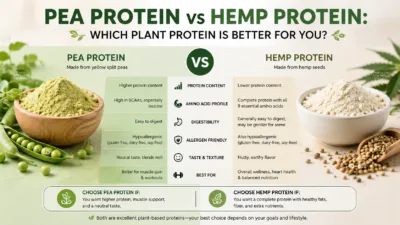
Pea peptides are hemp’s closest competitor among plant options. Both offer complete amino acid profiles, allergen-friendly status, and organic availability. Hemp’s advantages include a more balanced fatty acid profile for the residual oil content and its distinctive nutty flavor that some consumers prefer over pea’s sometimes vegetal notes.
From a formulator’s perspective, the main trade-offs are cost, flavor, and functional properties. Hemp peptides tend to fall between soy and pea in terms of price point while offering cleaner flavor than either in many applications.
Sustainability considerations
The environmental case for hemp peptides deserves attention because sustainability increasingly drives purchasing decisions across demographic groups. Hemp as a crop has characteristics that distinguish it from other protein sources.
Hemp grows rapidly, reaching maturity in 90 to 120 days, and produces relatively high yields of both seed and fiber per acre. It requires less water than many comparable crops, including soybeans. According to data from the European Industrial Hemp Association, hemp cultivation uses approximately half the water per kilogram of seed compared to soy.
The plant’s deep root system improves soil structure and can break up compacted subsoil layers. Hemp also suppresses weeds effectively once established, reducing the need for herbicides in organic production systems. As a rotation crop, it fits into sustainable farming systems that maintain soil health over multiple growing seasons.
The cold-press extraction method used to produce hemp oil, the first step in peptide production, is mechanical rather than chemical. This avoids the hexane or other organic solvents used in some conventional oilseed processing operations. The press cake that becomes the raw material for peptide production is therefore a clean co-product rather than waste.
From a life cycle perspective, the energy required to produce hemp protein and peptides is lower than animal-based alternatives. While enzymatic hydrolysis does add an energy input not required for standard protein powder, the sustainability baseline of the raw material remains comparatively favorable.
Practical usage: how to use hemp peptide powder
For consumers incorporating organic hemp peptide powder into their daily routine, the practical considerations are straightforward.
Mixing is easier than with standard protein powder. Hemp peptides disperse in water or plant milk with minimal clumping, and a shaker bottle produces a smooth result within seconds. The powder also dissolves effectively in hot beverages including coffee and tea, something standard protein powders generally cannot do without denaturing and clumping.
Dosage follows standard protein supplementation guidelines. A serving of 25 to 30 grams delivers 20 to 25 grams of protein, appropriate for post-workout recovery, meal replacement, or general protein intake goals. For intra-workout use, a smaller serving of 10 to 15 grams reduces the risk of gastrointestinal issues while still providing amino acid availability during exercise.
Flavor-compatible additions include cocoa powder, cinnamon, vanilla extract, frozen berries, and nut butters. The slightly nutty, earthy base flavor of hemp pairs well with these ingredients without requiring heavy sweetness to mask unpleasant tastes.
Storage considerations are identical to other protein powders. Keep the product in a cool, dry environment with the container sealed between uses. Under these conditions, hemp peptide powder remains stable for 18 to 24 months from the date of manufacture.
Quality standards and what to look for when buying
Not all peptide products on the market are created equal. Several quality markers help distinguish high-grade organic hemp peptide powder from lower-quality alternatives.
Molecular weight distribution data should be available from reputable suppliers. A product dominated by peptides in the sub-1,000 Dalton range will absorb faster than one with a higher average molecular weight. HEMPLAND provides this specification data for its peptide products, allowing formulators to verify claims through third-party analysis.
The degree of hydrolysis value indicates processing thoroughness. Higher values mean more extensive breakdown, but there is a practical limit, over-hydrolysis can generate bitter-tasting peptide fragments and reduce some functional properties. Values in the 15 to 20 percent range typically represent a workable balance.
Organic certification ensures the hemp was grown without synthetic pesticides or fertilizers and processed without prohibited substances. Look for certification from USDA Organic, EU Organic, or equivalent recognized bodies on the product label.
Third-party testing for contaminants is standard practice among quality-focused suppliers. Heavy metals (lead, cadmium, arsenic, mercury), pesticide residues, microbiological parameters, and residual solvents should all be covered by batch-specific certificates of analysis.
For the most accurate and current product specification details, contact HEMPLAND directly for batch documentation and technical data sheets tailored to your application requirements.
Conclusion
Organic hemp peptide powder occupies a specific and valuable position in the protein ingredient landscape. It bridges the gap between standard plant protein powders, which require full digestion, and isolated amino acids, which are absorbed extremely rapidly but lack the co-factors and peptide sequences found in whole food-derived products.
The science supporting peptide absorption advantages is well-established, with the PepT1 transporter system providing a clear mechanistic explanation for why pre-digested proteins enter circulation faster. The bioactive peptide research adds another layer of potential benefit, though this remains an area of active investigation rather than settled science.
From a practical standpoint, hemp peptides offer formulators functional properties, solubility, clarity, and heat stability, that standard proteins cannot match, opening product categories like clear protein beverages that have been difficult to execute with plant-based ingredients.
For consumers, the product provides a plant-based, allergen-friendly protein option that absorbs quickly, mixes easily, and comes with the environmental advantages of hemp cultivation. For brands and manufacturers, it represents a differentiated ingredient that can support product claims around absorption speed, digestibility, and sustainability.
Product specifications, batch documentation, and formulation support are available directly from HEMPLAND. Contact HEMPLAND for technical data, pricing information, or to request samples for product development evaluation.
Hemp peptide powder: peptide-size spec sheet
| Attribute | Value | B2B Note |
|---|---|---|
| Source | Enzymatically hydrolyzed hemp protein | Defatted seed meal |
| Peptide molecular weight | 200 to 1000 Da (di/tri-peptides) | Vs ~20 to 50 kDa intact protein |
| Protein content | 70 to 85% | Higher than intact flour |
| Solubility | High (hydrolyzed) | Clear beverages |
| Bitterness | Low at controlled DH | Tune hydrolysis degree |
| Shelf life | 12 to 18 months, dry | COA per lot |
*Source: product COA; hydrolysis degree varies by process.*
Sports and beverage use cases
Hemp peptides dissolve clearly and absorb quickly, fitting ready-to-drink proteins, electrolyte blends, and recovery shots at 3 to 10 percent inclusion. Their small peptide size supports faster amino delivery versus intact hemp protein. For the intact-protein comparison see pea vs hemp protein and hemp protein side effects.
Frequently asked questions
Q: Are peptides more bioavailable than protein? A: Di- and tri-peptides (200 to 1000 Da) are absorbed more directly than intact ~20 to 50 kDa proteins, supporting faster delivery in beverages and clinical nutrition.
Q: Do peptides taste bitter? A: Over-hydrolysis can turn them bitter; controlled degree of hydrolysis keeps taste neutral, which is why peptide powders suit clear drinks better than intact flour.
Q: Is hemp peptide a complete protein? A: It retains hemp’s near-complete amino profile (low lysine). Blend with organic hemp seed hearts vs nuts context or a lysine source to balance.
Related reading
- Hemp protein vs whey, pea, and soy
- Hemp protein side effects and hemp seed hearts vs nuts are linked earlier in this article for further reading.
Recommended Products
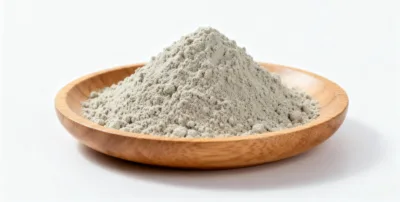
Hemp Peptide Powder
Highly bioavailable, easily digestible plant protein with functional benefits from organic hemp.
Related Posts