Hemp seeds have quietly become one of the easiest nutrition upgrades around: a spoonful stirs into almost anything, no recipe overhaul required. Knowing what these seeds actually do in the body, and how much is reasonable to eat, helps consumers and food industry professionals alike put them to good use.
Nutritional profile overview
Hemp seeds deliver unusual nutrient density in a compact package. The shelled seeds, commonly sold as hemp hearts, contain approximately 50% oil by weight, with the remaining portion split between protein and fiber. That combination addresses several nutritional gaps common in modern diets.
The fatty acid profile is the headline characteristic. Oil from hemp seed contains an omega-6 to omega-3 ratio of approximately 3:1, closely matching recommendations from nutritional research. This balance supports overall fatty acid metabolism more effectively than oils with heavily skewed omega ratios.
Protein content averages 25-30% of calories, placing hemp among the better plant protein sources available. It includes all nine essential amino acids, qualifying as a complete protein, a distinction shared by few plant sources. That makes hemp seeds particularly valuable for vegetarian, vegan, and plant-forward eating patterns.
Documented health effects
Cardiovascular benefits represent some of the most researched hemp seed effects. The balanced omega fatty acid profile supports healthy blood lipid levels within balanced diets, and studies indicate potential for hemp seed oil to help maintain healthy blood pressure and promote proper blood vessel function.
The seed contains both soluble and insoluble fibre. Both soluble and insoluble fiber are present, supporting regular bowel movements and feeding beneficial gut microbiota. For anyone increasing protein intake, that fiber also moderates digestive transit time, easing a common side effect of higher-protein diets.
Skin health improvements have been documented with both internal consumption and topical application of hemp seed oil. Its fatty acids support skin barrier function, reducing transepidermal water loss and improving moisture retention. Individuals with dry or sensitive skin often report visible improvement with regular consumption.
Anti-inflammatory effects stem from gamma-linolenic acid, which the body converts to anti-inflammatory eicosanoids. Chronic inflammation is associated with numerous health conditions, and while no single food resolves it, dietary approaches like this offer supportive value within comprehensive health strategies.
Understanding appropriate dosage
Daily intake recommendations vary with individual dietary context, nutritional goals, and caloric needs. General guidelines suggest two to three tablespoons of hemp hearts daily provides meaningful nutritional benefit without excessive caloric contribution.
Specific populations adjust from there. Athletes and others with elevated protein requirements may benefit from higher intakes, though spreading protein across the day optimizes absorption. Those monitoring calories should factor hemp seed into daily totals at approximately 55-60 calories per tablespoon.
Children can begin eating hemp seeds in toddler years, starting with smaller amounts to observe any sensitivities. The seeds are generally well tolerated and provide valuable nutrition for growing bodies; healthcare providers can give specific guidance on children’s supplementation. Pregnant and breastfeeding individuals can generally include hemp seeds as well, though discussing dietary changes with a provider during these periods remains advisable. Hemp seeds provide nutrients, including omega-3s, protein, and minerals, that support maternal and fetal health. HEMPLAND offers both organic hemp hearts and organic hemp seeds (3mm) for daily nutrition, with quality testing to ensure consistent nutritional content.
Methods of consumption
Direct consumption is the simplest route. Hemp hearts stirred into yogurt, oatmeal, or smoothies add convenient nutrition without cooking, and their mild, nutty flavor complements other ingredients rather than overwhelming them.
Baking applications include bread, cookies, energy bars, and crackers. The seeds add nutritional density plus textural interest, and toasting them beforehand deepens flavor through the Maillard reaction.
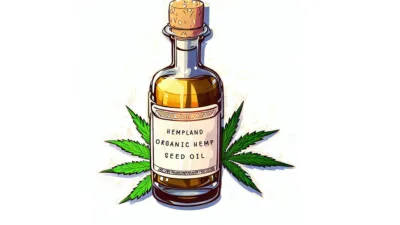
Hemp seed oil serves differently from whole seed uses. It provides concentrated fatty acids but lacks the protein and fiber of whole seeds, so it belongs in dressings, drizzles, and finishes added after cooking to preserve its sensitive fatty acids.
Hemp protein powder derived from ground seeds offers concentrated protein for smoothies and food formulations. Its intensity means less volume is needed to reach protein targets compared with whole seeds, and content typically ranges from 50-70% depending on processing methods.
Quality sourcing considerations
Organic certification ensures hemp seeds meet defined agricultural standards for pesticide use and soil management. For consumers prioritizing sustainable, chemical-free production, third-party verification makes organic sources the straightforward choice.
Third-party testing for heavy metals matters because of hemp’s bioaccumulative nature. Industrial hemp plants absorb cadmium from soil, making source region selection and testing critical to product safety. Reputable suppliers provide certificates of analysis confirming heavy metal levels meet safety standards.
Storage practices shape quality over time. Refrigeration extends shelf life by slowing fatty acid oxidation, and airtight containers prevent moisture absorption and flavor transfer. Freshness announces itself through a characteristic nutty aroma and pleasant taste, while rancid odors signal degradation requiring replacement.
Integrating hemp seeds into your routine
Building a lasting habit takes practical strategies more than willpower. Keeping hemp hearts accessible in the refrigerator encourages spontaneous use in meals and snacks, and pre-portioned containers simplify consistent daily intake without measuring.
Families succeed by introducing hemp seeds alongside familiar foods. Starting small and increasing gradually lets taste preferences adjust, though children often take to the crunch and mild flavor immediately when mixed into dishes they already like.
Meal prep opens further options: overnight oats, homemade granola, and salad toppings all carry hemp hearts well, and the seeds’ stability in baked goods suits advance preparation.
Understanding both the benefits and appropriate use of hemp seeds turns them from novelty into staple. These versatile seeds offer accessible nutrition across diverse dietary patterns and culinary preferences, contributing meaningful value with minimal adjustment required.
Related Posts