


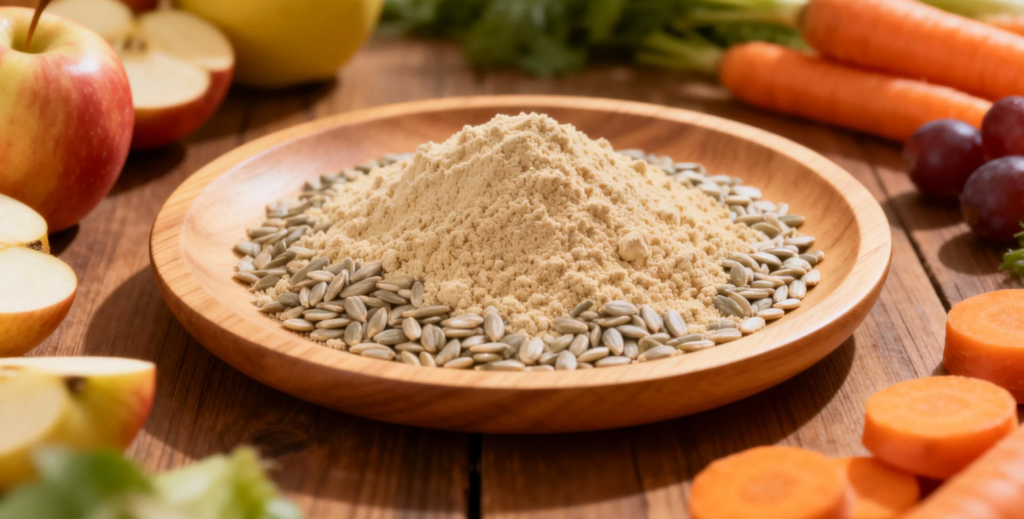
As sustainability becomes a core purchasing criterion rather than a marketing add-on, food, beverage, and nutrition brands are re-evaluating their ingredient strategies. Plant-based proteins are at the center of this shift, not only for their nutritional value but also for their environmental footprint. Among emerging alternatives, organic pumpkin seed protein powder stands out as a functional, sustainable, and commercially attractive ingredient.
This article explores how organic pumpkin seed protein powder supports sustainable product development, why it appeals to environmentally conscious brands, and how manufacturers can integrate it effectively into formulations.
Why Sustainability Matters in Protein Ingredient Selection
Protein sourcing has a significant environmental impact. Conventional animal proteins often require large amounts of land, water, and energy, while contributing to greenhouse gas emissions. Even some plant proteins face sustainability challenges due to intensive monoculture farming and heavy processing.
Sustainable product development today focuses on:
- Lower environmental footprint
- Responsible agricultural practices
- Clean-label and minimal processing
- Long-term supply chain resilience
Organic pumpkin seed protein powder aligns well with all of these priorities.
Sustainability Advantages of Organic Pumpkin Seed Protein Powder
1. Efficient Use of Agricultural Resources
Pumpkin seeds are often a by-product of pumpkin processing, especially in juice, puree, or snack production. Converting these seeds into protein powder helps reduce food waste and maximizes raw material utilization.
2. Organic Farming Practices
Certified organic pumpkin seeds are grown without synthetic pesticides, herbicides, or genetically modified organisms. This supports:
- Healthier soil ecosystems
- Reduced water contamination
- Improved biodiversity
For brands seeking organic certification across their product lines, this protein source fits seamlessly.
3. Lower Carbon Footprint Compared to Animal Protein
Pumpkin seed protein requires significantly less water and land than dairy- or meat-based proteins. This makes it attractive for brands publishing sustainability reports or targeting ESG-driven buyers.
4. Minimal Processing and Clean Label Appeal
Organic pumpkin seed protein powder is typically produced through mechanical pressing and milling, without chemical solvents. The result is a short ingredient list and strong clean-label positioning.
Functional and Commercial Benefits for Product Developers
Beyond sustainability, organic pumpkin seed protein powder offers practical advantages for formulation teams:
- Protein content typically ranges from 55–65%
- Naturally contains fiber, magnesium, iron, and zinc
- Neutral to mildly nutty flavor profile
- Free from soy, dairy, gluten, and major allergens
These characteristics make it suitable for:
- Plant-based protein blends
- Functional foods and snacks
- Nutritional powders and supplements
- Vegan and allergen-free product lines
How To Integrate Organic Pumpkin Seed Protein Powder into Sustainable Formulations

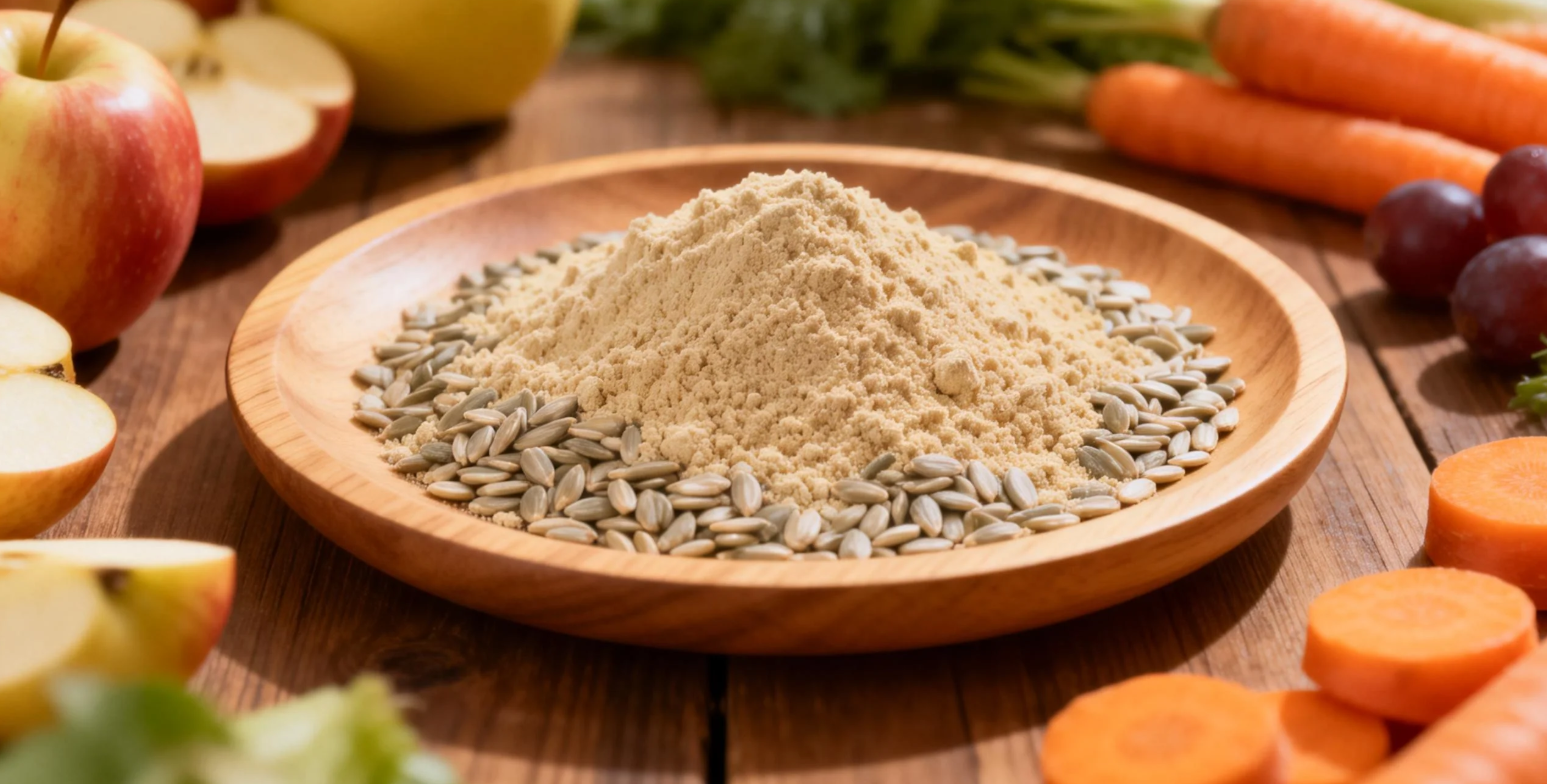
How To Integrate Organic Pumpkin Seed Protein Powder into Sustainable Formulations
Step 1: Define Sustainability and Nutrition Targets
Clarify whether your primary goal is protein enrichment, clean-label positioning, allergen-free claims, or carbon footprint reduction.
Step 2: Select the Right Specification
Choose organic pumpkin seed protein powder based on:
Protein percentage
Particle size
Flavor profile
Solubility or dispersibility
Step 3: Optimize Blending Ratios
Pumpkin seed protein performs well when blended with:
Organic pea protein (for amino acid balance)
Organic rice protein (for texture improvement)
Functional fibers (for digestive health claims)
Step 4: Conduct Application Testing
Test performance in your target application, such as:
Protein bars
Ready-to-mix powders
Plant-based bakery items
Adjust hydration, fat content, or sweeteners as needed.
Step 5: Communicate Sustainability Value
Highlight organic sourcing, upcycled raw materials, and plant-based sustainability in your product storytelling and packaging.
FAQ: Organic Pumpkin Seed Protein Powder
Q1: Is organic pumpkin seed protein powder a complete protein?
It contains all essential amino acids, though it is particularly rich in arginine and glutamic acid. Many brands blend it with other plant proteins for optimal amino acid balance.
Q2: How does it compare to pea or soy protein in sustainability?
Pumpkin seed protein often benefits from by-product utilization and lower input farming, giving it a strong sustainability profile compared to intensively farmed monocultures.
Q3: Is it suitable for allergen-free products?
Yes. It is naturally free from soy, dairy, gluten, and common allergens, making it suitable for sensitive consumer groups.
Q4: Can it be used in organic-certified finished products?
Yes, when sourced with valid organic certification and processed in compliant facilities.
Q5: What is the typical shelf life?
When stored in a cool, dry environment, organic pumpkin seed protein powder typically has a shelf life of 18–24 months.
Final Thoughts: A Strategic Ingredient for Sustainable Innovation
Organic pumpkin seed protein powder offers a rare combination of environmental responsibility, nutritional value, and commercial flexibility. For brands developing next-generation plant-based products, it supports sustainability goals without sacrificing functionality or clean-label appeal.
As consumer demand for transparent, eco-conscious products continues to grow, choosing ingredients like organic pumpkin seed protein powder is not only a formulation decision—it is a long-term brand strategy.
Looking for a reliable organic pumpkin seed protein powder supplier for your next project?
Selecting a partner with stable sourcing, consistent quality, and export experience can help turn sustainability goals into market-ready success.
Recommended Product

Organic Pumpkin Seed Protein Powder
Organic pumpkin seed protein powder offers ≥60% protein with unique sleep support, prostate health, and…