



For food, beauty, or wellness brands, hemp seed oil has become a powerful way to communicate natural, plant‑based and functional value. Choosing between organic hemp seed oil and refined hemp seed oil is not only about price; it directly influences flavor, color, stability, label claims, and how consumers perceive your product. When you understand the differences and selection criteria, you can confidently match the right oil to the right application.
What is organic hemp seed oil
Organic hemp seed oil is typically cold‑pressed from certified organic hemp seeds, without the use of synthetic pesticides, herbicides, or chemical fertilizers in cultivation. It retains its natural greenish color and nutty, grassy aroma because it undergoes minimal processing. This high level of “naturalness” supports strong clean‑label and organic positioning, which is especially attractive for premium food, skincare and supplement brands.
From a nutritional and marketing perspective, organic hemp seed oil is often associated with a balanced ratio of omega‑3 and omega‑6 fatty acids, as well as vitamin E and other minor components. While specific numbers depend on the variety and origin, brands usually highlight these attributes to support “better‑for‑you” messaging. For consumers actively seeking organic and minimally processed products, this style of oil aligns very well with their expectations.
What is refined hemp seed oil
Refined hemp seed oil starts from crude hemp seed oil and then goes through additional steps such as degumming, neutralization, decolorization, and deodorization. These processes greatly reduce color, odor, and certain impurities, resulting in a lighter, almost pale yellow oil with a very mild taste. The key goal is to deliver a more neutral, stable ingredient that integrates seamlessly into complex formulations.
Because of this, refined hemp seed oil is often favored in applications where appearance and base‑note neutrality are critical: color‑sensitive cosmetics, high‑end skincare, transparent or light‑colored food products, and formulations that rely on delicate fragrances. It may not carry the same “raw” and artisanal feel as an organic cold‑pressed oil, but it helps product developers manage batch‑to‑batch consistency and sensory performance.
How to choose based on application
The first step is to clarify how you want hemp seed oil to perform in your product line.
- For premium food products: If you are producing salad dressings, cold sauces, capsules, or nutritional blends that highlight taste and origin, organic cold‑pressed hemp seed oil is usually the stronger storytelling option. Its characteristic nutty flavor and natural green hue can be turned into a unique selling point rather than a defect.
- For hot processing or neutral flavor: If your application involves heating, baking, or strong flavor systems where the hemp note might clash, a refined oil often integrates more smoothly. It contributes functional fat without overpowering herbs, spices, or sweet notes.
- For skincare and cosmetics: Organic hemp seed oil is excellent for “natural” and “organic” facial oils, balms, and body care, where visible natural color and earthy positioning are welcome. Refined hemp seed oil is more suitable for lotions, serums, or color cosmetics that require a light, uniform base and minimal odor to let active ingredients or fragrances stand out.
When you map each product to its sensory and branding needs, it becomes much easier to decide which type of hemp seed oil should be your default choice.
Check quality and technical specifications
Regardless of whether you choose organic or refined, professional selection always comes down to specifications and quality control. Key parameters to review include:
- Peroxide value and acid value: These indicators help you evaluate freshness and oxidation. Lower values generally mean a fresher, more stable oil and a longer shelf life.
- Color and clarity: For organic oil, a deep green‑gold tone and natural haze can be acceptable, even desirable, in certain niches. For refined oil, you should expect a light, clean appearance that is consistent across batches.
- Odor and flavor: Request sensory descriptions and, ideally, samples. Organic hemp seed oil should have a pleasant, nutty, slightly grassy aroma, not a burnt or rancid note. Refined oil should be very mild, almost neutral, without off‑flavors.
- Fatty acid profile: If you position your product around omega‑3 or omega‑6 content, ask the supplier for a typical fatty acid profile and how often it is tested. This will help your marketing and regulatory teams create claims that are realistic and defensible.
- Shelf life and storage conditions: Clarify recommended storage temperatures, light protection, and shelf life in both unopened and opened states. This matters not only for your warehouse but also for your end‑consumer experience.
Insisting on full specifications, batch Certificates of Analysis, and clear sampling procedures protects your brand from instability, off‑flavors, or premature rancidity on the shelf.
Evaluate certifications and supplier credibility
Certification and supplier reliability are just as important as the oil itself.
For organic hemp seed oil, look for valid organic certificates (such as USDA Organic, EU Organic, or other recognized standards) that clearly list hemp seed oil or hemp seeds as part of the scope. Make sure certificates are current and tied to the actual production site, not just a trading office. If your brand promotes non‑GMO, vegan, or cruelty‑free values, verify those claims through appropriate documentation.
For both organic and refined oil, strong quality systems such as HACCP, ISO‑based food or cosmetic safety management, and traceability programs add another layer of reassurance. A credible supplier should be able to provide:
- Transparent origin information (country of origin of seeds, where the oil is pressed and, if refined, where refining takes place).
- Clear batch traceability from farm or seed lot to finished oil.
- Documentation about contaminants and residues (for example, heavy metals, pesticides, residual solvents if any refining steps use them).
- Support from a technical or R&D team to help you integrate the oil into your formulations.
Taking the time to evaluate the partner behind the ingredient helps you avoid supply disruptions, inconsistent quality, and compliance problems as your volumes grow.
Positioning your brand with the right choice
Ultimately, the decision between organic hemp seed oil and refined hemp seed oil is a brand strategy choice as much as a technical one. If your story centers on authenticity, terroir, and minimally processed ingredients, organic cold‑pressed hemp seed oil aligns naturally with that positioning. You can communicate its natural color, aroma, and nutritional profile as part of your product’s identity.
If your priority is elegant textures, subtle fragrances, and visually uniform products, refined hemp seed oil gives you the flexibility and consistency you need. You still benefit from the positive associations of hemp seed oil, but with fewer constraints in color and scent.
Many successful brands actually work with both types at once: organic hemp seed oil for flagship, story‑driven SKUs, and refined hemp seed oil for products where performance and aesthetics are paramount. With a clear understanding of each oil’s role, you can build a coherent portfolio that meets consumer expectations while keeping your R&D and production teams confident and in control.
Related Products

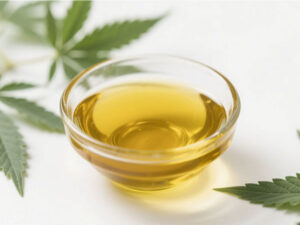
Organic Refined Hemp Seed Oil
All specifications support both conventional and organic.

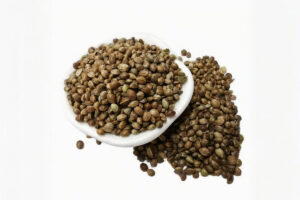
Organic Hemp Seeds
Organic hemp seeds offer complete nutrition with optimal protein, fatty acids, and fiber content. Versatile…

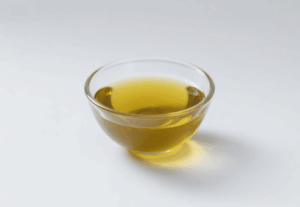
Organic Hemp Seed Oil
Available in cold pressed hemp seed oil, hemp heart oil and customized. All specifications support…