


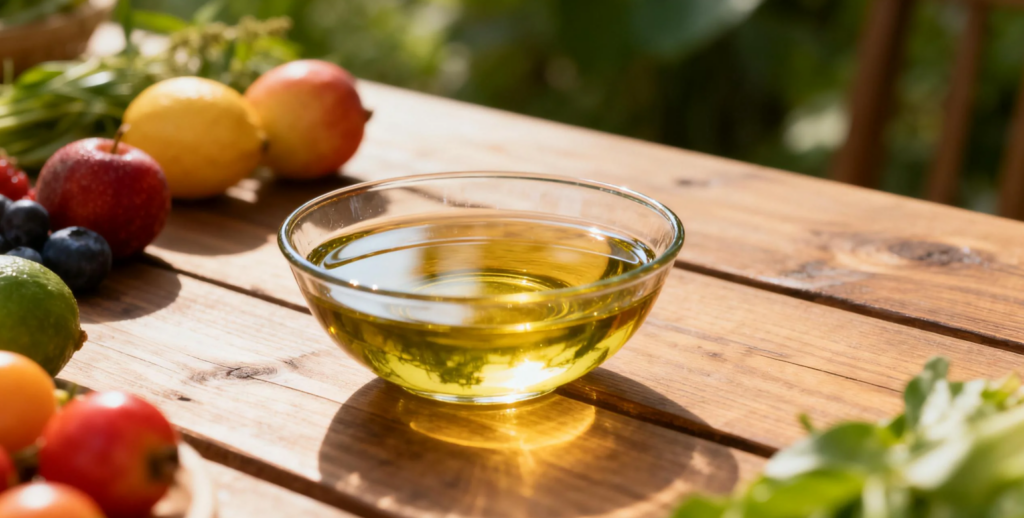
In the ever-evolving world of natural wellness and nutrition, hemp seed oil has carved out a prominent place on shelves and in kitchens alike. Derived from the seeds of the hemp plant (Cannabis sativa), this versatile oil is celebrated for its rich profile of essential fatty acids, vitamins, and antioxidants. But not all hemp seed oils are created equal. Enter the distinction between standard hemp seed oil—often referring to the unrefined, cold-pressed variety—and its refined counterpart. Understanding these differences can empower you to make informed choices that align with your health goals, culinary needs, or skincare routines. Whether you’re a wellness enthusiast, a home cook, or simply curious about incorporating more plant-based goodness into your life, this guide will illuminate the nuances, benefits, and ideal applications of each type, helping you select the perfect option for a vibrant, balanced lifestyle.
The Essence of Hemp Seed Oil: Nature’s Unfiltered Gift
Hemp seed oil, in its purest form, is typically extracted through a gentle cold-pressing method that preserves the oil’s natural integrity. This process involves mechanically pressing the seeds without the use of heat or chemicals, resulting in an unrefined oil that retains its vibrant green color, nutty flavor, and earthy aroma. It’s like capturing the essence of the hemp plant in a bottle—raw, potent, and brimming with nutrients.
What makes this unrefined version so special? It’s loaded with omega-3 and omega-6 fatty acids in an ideal 3:1 ratio, which supports heart health, reduces inflammation, and promotes skin vitality. Additionally, it boasts high levels of vitamin E, gamma-linolenic acid (GLA), and other antioxidants that combat oxidative stress and enhance overall well-being. Because it avoids extensive processing, unrefined hemp seed oil maintains small particles and a higher concentration of beneficial compounds, making it a favorite among those seeking “whole-food” nutrition. However, this raw quality comes with a shorter shelf life—typically 6-12 months when stored properly in a cool, dark place—and it may not be ideal for high-heat cooking due to its lower smoke point (around 330°F or 165°C).
In skincare and beauty applications, unrefined hemp seed oil shines as a moisturizer that penetrates deeply without clogging pores, thanks to its non-comedogenic properties. It’s often used in serums, balms, and masks to soothe irritated skin, balance oil production, and provide a natural glow. For culinary enthusiasts, its robust flavor adds a delightful nutty twist to salads, smoothies, or drizzled over vegetables, elevating everyday meals with a touch of superfood sophistication.
Refined Hemp Seed Oil: Polished Perfection for Versatility
On the other side of the spectrum lies refined hemp seed oil, which undergoes additional processing steps to enhance its stability and usability. This refinement typically includes filtration, bleaching, and deodorization, which remove impurities, sediments, and strong odors, resulting in a lighter, golden-yellow hue and a neutral taste. The process makes the oil more refined—literally and figuratively—offering a cleaner appearance and extended shelf life, often up to 18-24 months.
While refinement strips away some of the natural color and flavor, it doesn’t entirely diminish the oil’s core nutritional benefits. Refined hemp seed oil still provides a solid dose of essential fatty acids, though in slightly reduced amounts compared to its unrefined sibling. Its higher smoke point (around 400°F or 204°C) makes it more suitable for cooking methods like sautéing or baking, where heat stability is key. This versatility extends to industrial and cosmetic uses, where a milder profile is preferred—think in lotions, soaps, or even as a base for supplements without overpowering other ingredients.
One of the standout advantages of refined hemp seed oil is its accessibility for those sensitive to strong tastes or scents. It’s an excellent entry point for newcomers to hemp products, allowing them to reap the rewards of polyunsaturated fats and minerals like magnesium and zinc without the bold, acquired taste of unrefined oil. In manufacturing, its consistency and lack of particles make it ideal for large-scale production, ensuring uniform quality in everything from health foods to personal care items.
Key Differences: A Side-by-Side Comparison
To truly appreciate the choice between hemp seed oil and refined hemp seed oil, let’s break down the core distinctions:
- Extraction and Processing: Unrefined hemp seed oil is cold-pressed, preserving its raw state with minimal intervention. Refined oil goes through additional steps like bleaching and deodorizing to achieve purity and neutrality.
- Appearance and Sensory Profile: The unrefined variety boasts a deep green color and a distinctive nutty, herbaceous flavor, while refined oil is pale gold with a subtle, almost tasteless profile.
- Nutritional Content: Unrefined oil edges out with higher levels of antioxidants and phytonutrients due to less processing, but both offer essential fatty acids. Refinement may reduce some micronutrients but enhances stability.
- Shelf Life and Stability: Unrefined oil has a shorter lifespan and lower smoke point, making it better for raw or low-heat uses. Refined oil’s extended durability suits cooking and long-term storage.
- Applications: Opt for unrefined in salads, smoothies, or topical skincare for maximum nutrition. Refined shines in high-heat cooking, baking, or as a neutral carrier in cosmetics and supplements.
These differences stem from the refinement process, which prioritizes usability over raw potency. Importantly, neither contains THC or CBD, as they’re derived solely from seeds, not the plant’s flowers or leaves.
Benefits Tailored to Your Lifestyle
Choosing unrefined hemp seed oil means embracing nature’s unadulterated bounty. It’s perfect for those prioritizing holistic health, as its full-spectrum nutrients support immune function, joint health, and radiant skin. Imagine drizzling it over a fresh salad for a burst of omega-rich flavor that nourishes from the inside out.
Refined hemp seed oil, meanwhile, offers practicality without compromise. Its mild nature makes it a kitchen staple for everyday cooking, helping you incorporate healthy fats seamlessly into meals. In beauty routines, it provides hydration without residue, ideal for sensitive skin or DIY formulations.
Both types contribute to sustainable living, as hemp is an eco-friendly crop that requires minimal water and pesticides. By selecting either, you’re supporting a greener planet while enhancing your well-being.
How to Choose: Finding Your Ideal Match
Your decision boils down to purpose and preference. If you’re after maximum nutritional punch and don’t mind a bold taste, go unrefined—look for labels like “cold-pressed” or “virgin.” For versatility in cooking or a subtler experience, refined is your ally; seek “refined” or “expeller-pressed” options.
Always check for organic certifications to ensure purity, and store oils in dark glass bottles to protect against light degradation. Start with small quantities to test, and consult a healthcare professional if you have specific dietary needs.
Embracing the Hemp Revolution
In the end, whether you choose the vibrant, nutrient-dense unrefined hemp seed oil or the sleek, adaptable refined version, you’re tapping into a powerhouse of plant-based potential. These oils represent more than just ingredients—they’re a step toward mindful living, blending ancient wisdom with modern convenience. Explore, experiment, and let hemp seed oil enrich your journey to better health and harmony. Your body, taste buds, and the environment will thank you for making the right choice.
Related Products

Organic Refined Hemp Seed Oil
All specifications support both conventional and organic.

Organic Hemp Seed Oil
Available in cold pressed hemp seed oil, hemp heart oil and customized. All specifications support…