


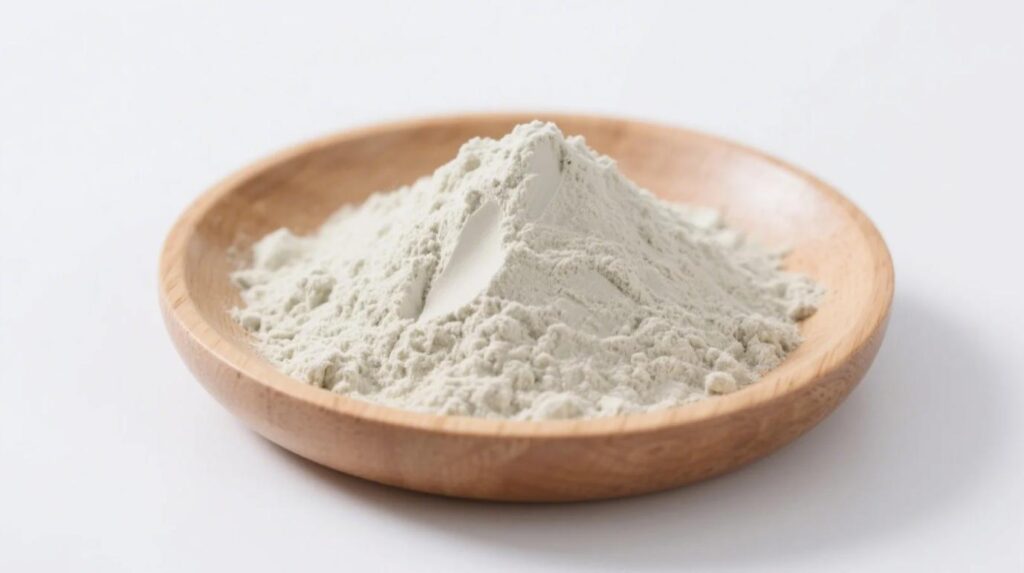
What is Organic Hemp Seed Protein Powder?
Organic Hemp Seed Protein Powder is a premium plant-based protein ingredient cold-pressed from certified organic hemp seeds (Cannabis sativa L.) through a gentle mechanical process that preserves its natural nutritional integrity. Unlike traditional hemp proteins with a heavy green color and grassy flavor, our proprietary processing delivers a light-colored, clean-tasting powder that performs exceptionally across food and beverage applications.
As a direct manufacturer and bulk supplier, HEMPLAND offers three standardized protein grades — 70%, 75%, and 80% — to meet the diverse needs of functional food brands, sports nutrition formulators, and supplement manufacturers. All grades are certified organic, non-GMO, and completely free from the top 9 allergens.
Compliance: Derived from certified industrial hemp containing no CBD or THC. Fully compliant with FDA, EU, and global food regulations.
Grade Overview & Market Positioning
| Grade | Protein (Dry Basis) | Color | Flavor | Best Market Fit |
|---|---|---|---|---|
| Hemp Protein 70% | ≥ 70% | Light brown | Mild, slightly earthy | Functional foods, cost-effective blends |
| Hemp Protein 75% | ≥ 75% | Light brown | Clean, mild | Mainstream protein blends, bars |
| Hemp Protein 80% | ≥ 80% | Light beige | Neutral, smooth | Premium sports nutrition, beverages |
Complete Technical Specifications
| Parameter | 70% Grade | 75% Grade | 80% Grade |
|---|---|---|---|
| Appearance | Light brown powder | Light brown powder | Light beige powder |
| Protein (Dry Basis) | ≥ 70% | ≥ 75% | ≥ 80% |
| Moisture | ≤ 8.0% | ≤ 8.0% | ≤ 8.0% |
| Fat | ≤ 12% | ≤ 8% | ≤ 6% |
| Dietary Fiber | ≥ 15% | ≥ 10% | ≥ 6% |
| Ash | ≤ 7% | ≤ 6% | ≤ 5% |
| Particle Size | 80–300 mesh | 80–300 mesh | 80–300 mesh |
| pH (10% solution) | 6.5–7.5 | 6.5–7.5 | 6.5–7.5 |
| Water Activity (Aw) | ≤ 0.60 | ≤ 0.60 | ≤ 0.60 |
| Heavy Metals | Compliant | Compliant | Compliant |
| Total Plate Count | ≤ 50,000 cfu/g | ≤ 30,000 cfu/g | ≤ 20,000 cfu/g |
| Yeast & Mold | ≤ 100 cfu/g | ≤ 100 cfu/g | ≤ 100 cfu/g |
| E. coli | Negative | Negative | Negative |
| Salmonella | Negative | Negative | Negative |
| Shelf Life | 24 months | 24 months | 24 months |
| Packaging | 20kg / 25kg kraft bags | 20kg / 25kg | 20kg / 25kg |
| Storage | Cool, dry, <25°C | Cool, dry | Cool, dry |
Why Choose Our Hemp Protein Powder?
Complete Nutrition in One Ingredient
- Complete Protein — All 9 essential amino acids in a single ingredient
- Rich in BCAAs — Supports muscle synthesis and athletic recovery
- High in Arginine — Cardiovascular and immune support
- Natural Fiber — Supports digestive health and satiety
- Micronutrient-Dense — Iron, magnesium, zinc, phosphorus naturally present
Free From Everything Your Customers Worry About
- Allergen-Free — Free from all Top 9 allergens (no soy, dairy, gluten, tree nuts, peanuts, eggs, shellfish, fish, sesame)
- Non-GMO — Non-GMO Project verified
- Pesticide-Free — Certified organic farming, no synthetic pesticides
- Zero THC / CBD — Safe for all regulatory markets
- No Fillers or Additives — Single clean ingredient
Superior Sensory Performance
- Neutral Flavor — No grassy taste or bitterness, unlike conventional hemp protein
- Light Color — Won’t discolor your final product
- Smooth Texture — Fine particle size for excellent mouthfeel
- Good Dispersibility — Dissolves well in water-based systems
Sustainability
- Low Water Footprint — Hemp requires significantly less water than soy or whey
- Soil Regeneration — Hemp cultivation improves soil health
- Low Pesticide Use — Naturally pest-resistant crop
- Carbon Sequestration — Hemp actively sequesters atmospheric CO₂
Application Areas
Sports & Active Nutrition
| Product Type | Recommended Grade | Key Benefit |
|---|---|---|
| Protein Powders & Shakes | 80% | High protein density, smooth texture |
| Ready-to-Drink Protein | 80% | Best dispersibility and mouthfeel |
| Pre/Post-Workout Blends | 75-80% | BCAAs for muscle support |
| Protein Bars & Bites | 70-75% | Binding properties, nutritional profile |
| Meal Replacement | 75-80% | Complete amino acids + fiber |
Functional Food & Beverage
| Product Type | Recommended Grade | Key Benefit |
|---|---|---|
| Plant-Based Meat Alternatives | 70-75% | Binding, texture, nutrition |
| High-Protein Baked Goods | 70% | Fiber retention, structure |
| Protein-Fortified Cereals | 70-75% | Clean label, mild flavor |
| Functional Beverages | 80% | High clarity, minimal sediment |
| Dairy-Free Yogurt/Cheese | 75% | Structure and protein content |
| Baby & Toddler Nutrition | 80% | Clean, mild, allergen-free |
Supplements & Nutraceuticals
| Product Type | Recommended Grade | Key Benefit |
|---|---|---|
| Capsules & Tablets | 75-80% | Minimal moisture, consistent flow |
| Protein Blend Supplements | 70-80% | Amino acid complementarity |
| Senior Nutrition Products | 75% | Digestibility, fiber balance |
| Weight Management Products | 75-80% | Satiety, complete protein |
Pet Food & Animal Nutrition
- Premium dog/cat food protein fortification
- Equine performance nutrition supplements
- Aquaculture feed applications
Formulation Tips
For Beverages (RTD): Use 80% grade at 25-40g/serving. Pre-hydrate in warm water (40°C) for 2-3 minutes before combining with other ingredients for optimal dispersion.
For Bars: 70% grade provides better binding and texture. Combine with dates, nut butters, or syrup binders. Target 15-25% hemp protein content in formula.
For Baked Goods: Replace 20-30% of flour with 70% hemp protein. Note: may slightly increase browning due to Maillard reaction with amino acids.
Protein Blending: Hemp protein pairs excellently with pea or rice protein to create a complete BCAA profile. Recommend 60% hemp + 40% pea blend for optimal amino acid spectrum.
Certifications & Documentation
| Certification | Status | Notes |
|---|---|---|
| USDA Organic (NOP) | Certified | Available per shipment |
| EU Organic (834/2007) | Certified | Available on request |
| Non-GMO Project | Verified | All grades |
| Kosher | Available | On request |
| Halal | Available | On request |
| FSSC 22000 | Facility | Food safety management |
| ISO 22000 | ✓ | Food safety standard |
| FDA Registration | ✓ | Facility registered |
Full Documentation Package:
- Certificate of Analysis (CoA) — per batch
- Organic Certificate
- Non-GMO Verification Statement
- Allergen Statement (Top 9 free)
- MSDS (Material Safety Data Sheet)
- TDS (Technical Data Sheet)
- Amino Acid Profile Report
- Heavy Metal Test Report
- Pesticide Residue Test Report
- Microbiological Test Report
OEM & Custom Services
| Service | Details |
|---|---|
| Custom Protein Level | Tailored protein concentrations beyond standard 70/75/80 |
| Custom Particle Size | Adjustable mesh (80–300 mesh) for specific applications |
| Protein Blending | Hemp + pea, hemp + rice, multi-source blends |
| Private Label | Full-service label design and branding |
| Functional Additives | Addition of vitamins, minerals, probiotics on request |
| Finished Product Dev | R&D support for protein bars, powders, beverages |
| Bulk Contract Supply | Long-term agreements with price lock-in available |
Packaging & Ordering
| Item | Details |
|---|---|
| Standard Packaging | 20kg or 25kg kraft paper bags (food-grade inner liner) |
| Custom Packaging | Available for qualified partners |
| Minimum Order Quantity | 200kg per grade |
| Sample Availability | Yes — 200g to 1kg for evaluation |
| Lead Time | 2–3 weeks (standard orders) |
| Payment Terms | T/T, L/C; PayPal for samples |
| Shipping Terms | EXW, FOB, CIF, DDP available |
| Price Range | $10.50–$13.50/kg (grade & quantity dependent) |
FAQs
Q: What is the difference between 70%, 75%, and 80% hemp protein?
A: The main difference is protein concentration and the resulting changes in color, texture, and functionality. 70% protein retains more natural fiber (≥15%) and fat, giving a slightly earthier flavor and more binding capacity — ideal for bars and baked goods. 75% is the balanced option for mainstream blends and mid-range applications. 80% delivers the highest protein density with a lighter color, smoother texture, and better solubility — preferred for premium protein powders and ready-to-drink beverages. Higher grades also have lower microbial limits, reflecting more stringent processing.
Q: Is hemp seed protein a complete protein?
A: Yes. Hemp seed protein contains all 9 essential amino acids, making it a complete protein — a distinction shared by very few plant proteins (alongside soy and quinoa). It is particularly rich in arginine, glutamic acid, and branched-chain amino acids (BCAAs: leucine, isoleucine, valine), which are critical for muscle recovery and immune function. While its PDCAAS score (0.63–0.66) is lower than isolated soy protein, combining hemp with pea or rice protein creates a synergistic blend with an improved overall amino acid profile.
Q: Is your hemp protein allergen-free?
A: Yes. Our organic hemp seed protein is free from all Top 9 allergens (soy, dairy/milk, gluten/wheat, tree nuts, peanuts, eggs, shellfish, fish, and sesame). It is produced in a dedicated facility with strict allergen control protocols. A formal allergen statement is available for every batch upon request, making it suitable for allergen-sensitive formulations and free-from product lines.
Q: Does hemp protein have a strong or unpleasant flavor?
A: No. Unlike conventional hemp protein powder which can have a pronounced grassy or earthy taste due to the inclusion of hull components, our hemp protein is processed using a refined method that delivers a clean, mild, and neutral flavor profile. The 80% grade in particular has the lightest flavor and color, making it highly suitable for flavored beverages and sensitive applications. It mixes well with vanilla, chocolate, and fruit flavors without off-note interference.
Q: How digestible is hemp protein compared to whey or pea protein?
A: Hemp protein has a PDCAAS (Protein Digestibility-Corrected Amino Acid Score) of 0.63–0.66, lower than whey (1.0) or isolated soy (0.99), but significantly better than rice protein (0.37). However, hemp protein contains natural enzymes that facilitate digestion and is generally well-tolerated by individuals with sensitive digestive systems. Unlike whey, it produces minimal bloating or GI discomfort. For athletes requiring maximum protein efficiency, combining hemp with pea protein boosts the combined PDCAAS score toward 0.75–0.80.
Q: Is your hemp protein suitable for vegan and vegetarian consumers?
A: Yes. All our hemp protein grades are 100% plant-based, suitable for vegans, vegetarians, and flexitarians. The product is also free from animal-derived processing aids. With its complete amino acid profile, hemp protein is one of the most nutritionally robust vegan protein options available, addressing the concern that plant proteins are “incomplete.”
Q: What applications is hemp protein NOT suitable for?
A: Hemp protein is generally not recommended for: (1) crystal-clear beverage applications — the protein may cause slight haziness; (2) products requiring very high heat processing above 180°C — prolonged exposure may degrade amino acids; (3) formulations requiring extremely low-calorie profiles where even ≤6% fat in 80% grade is a concern. For clear beverages, our Hemp Peptide Powder may be a better alternative due to its improved solubility and clarity.
Q: What is the shelf life and storage requirement?
A: All three grades have a 24-month shelf life from the production date when stored properly. Store in a cool, dry environment below 25°C with relative humidity below 65%. Avoid exposure to direct sunlight, strong odors, or moisture. Keep bags sealed after opening. Do not store near chemicals or aromatic substances as the powder may absorb odors.
Q: Can I request a sample before placing a bulk order?
A: Yes. We provide evaluation samples (200g to 1kg) for qualified B2B buyers. Sample kits can include all three grades (70%, 75%, 80%) for direct comparison. Samples come with full CoA and specification documentation. Contact our sales team at sales@hemp-land.com to request samples.
Q: Do you support custom protein grades outside of 70/75/80?
A: Yes. We can produce customized protein concentrations to meet your specific formulation targets. We also offer protein blending services (e.g., hemp + pea, hemp + rice) to create tailored amino acid profiles, custom mesh sizes for specific particle requirements, and white-label or private label production. Contact our technical team to discuss your development brief.
Q: Is hemp protein sustainable compared to animal and other plant proteins?
A: Highly so. Hemp is one of the most sustainable crops on earth: it requires up to 50% less water than soy or cotton, naturally resists pests (reducing pesticide use), sequesters CO₂ from the atmosphere, and improves soil health through phytoremediation. The cold-pressing process used to produce hemp protein powder also generates hemp seed oil as a co-product, resulting in near-zero waste. Choosing hemp protein aligns with ESG goals and resonates strongly with sustainability-conscious consumers.
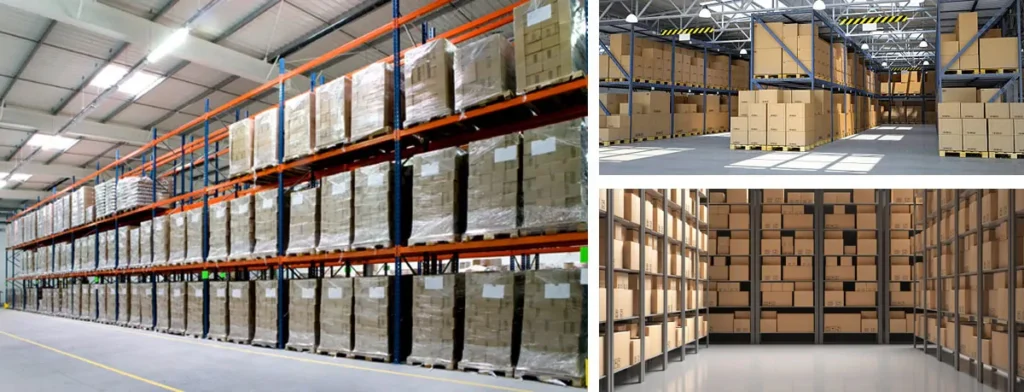
Packing

Related Articles

How HEMPLAND Supports Product Innovation in Plant-Based Nutrition
Innovation in plant-based nutrition is accelerating rapidly as consumers seek healthier, more sustainable protein options. […]
Read More →
From Farm to Formula: How HEMPLAND Controls Every Step of Hemp Protein Production
In today’s competitive plant-based protein market, quality is no longer defined by nutrition alone. For […]
Read More →
Organic Hemp Hearts in Breakfast Innovations: Powering Cereals, Granola, and Instant Nutrition
Breakfast is no longer just the first meal of the day—it has become a key […]
Read More →