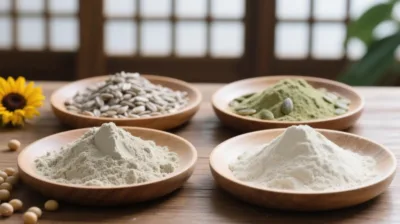
Plant-based protein demand is usually framed as a health story, but the bigger driver may be sustainability. As manufacturers search for ingredients that lighten their environmental footprint without shortchanging nutrition, organic pumpkin seed protein powder keeps earning a place on the shortlist. Low-input crop, low-waste supply chain, respectable nutrient density: few plant proteins tick that many boxes at once.
—
1. environmental benefits of organic pumpkin seed protein production
Organic pumpkin seed protein powder comes from seeds grown without synthetic pesticides, fertilizers, or GMOs. That alone reduces soil and water contamination and leaves room for biodiversity to recover. Compared with conventional protein crops like soy, pumpkin plants generally need less irrigation and fewer agricultural inputs overall.
There is a waste-angle worth noting as well. Pumpkin seeds are often a byproduct of the food industry, so extracting protein from them turns an existing side stream into raw material rather than generating new demand on farmland.
Organic cultivation methods add to this. Natural composting and crop rotation help the soil regenerate over time instead of degrade, which is the opposite of what intensive monoculture tends to do.
—
2. reduced carbon footprint and resource efficiency
The carbon math favors pumpkin protein. Livestock farming accounts for roughly 14% of global greenhouse gas emissions, while plant-based proteins emit far less CO₂ per kilogram of protein produced.
Pumpkins also grow across a wide range of climates with modest resource demands, and the extraction process itself is relatively energy-efficient. For food manufacturers working toward sustainability targets or trying to reduce Scope 3 emissions, shifting part of the protein base to pumpkin seed protein is one of the more measurable steps available.
—
3. promoting sustainable diets for consumers
Shoppers increasingly connect what they eat with the health of the planet, and organic pumpkin seed protein powder fits the eating patterns they are moving toward: flexitarian, vegetarian, vegan. It delivers plant-based protein alongside healthy fats, iron, magnesium, and zinc, without the ecological costs that come with animal agriculture. It is also allergen-free, gluten-free, and non-GMO, which makes it an inclusive ingredient across a broad range of dietary needs.
For food brands, this combination carries a practical payoff. Protein shakes, snacks, and bakery products built on this ingredient can credibly communicate both health and sustainability benefits to consumers who check labels before they buy.
—
4. ethical sourcing and organic certification
Sustainability does not stop at the farm gate. Fair labor practices, traceability, and quality assurance are part of the equation, and certified organic pumpkin seed protein powder is verified at every step of the supply chain against those standards.
Production under strict EU and USDA Organic certifications meets clean-label expectations while supporting smallholder farmers who practice eco-friendly agriculture. Buyers get documentation; farmers get fair terms. Both matter to procurement teams under pressure to justify their ingredient choices.
—
5. the future of sustainable protein
Demand for sustainable protein continues to climb, and organic pumpkin seed protein powder sits where nutrition, ethics, and environmental responsibility overlap. It lets food producers build high-protein, functional formulations that align with where consumer values are heading, whether that means plant-based beverages, nutrition bars, or clean-label supplements.
—
Conclusion
Protein’s future is widely expected to be greener than its past, and organic pumpkin seed protein powder is a credible candidate to carry part of that shift. Minimal environmental impact, solid nutrient density, ethical sourcing: it performs on the spec sheet and in the field. For brands planning their next formulation cycle, it is worth a closer look.
—
Recommended Products
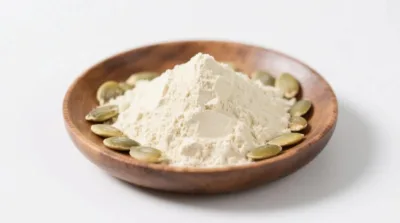
Organic Pumpkin Seed Protein Powder
Organic pumpkin seed protein powder offers ≥60% protein with high magnesium, zinc, and iron…
Related Posts