Plant-based nutrition keeps growing, and organic hemp seed protein powder has earned its reputation as the sustainable, nutritionally complete pick. Cold-pressed proteins like sunflower seed protein, pumpkin seed protein, and soy protein each have real merits, yet hemp comes out ahead on bioavailability, eco-impact, and versatility. The side-by-side below shows why hemp seed protein is such strong fuel for both body and planet.
Hemp seed protein vs sunflower, pumpkin and soy: the nutritional comparison
| Feature | Organic Hemp Seed Protein | Sunflower Seed Protein | Pumpkin Seed Protein | Soy Protein |
|---|---|---|---|---|
| Protein Completeness | ✅ All 9 essential amino acids | ❌ Low in lysine & threonine | ❌ Low in lysine & threonine | ✅ Complete, but lacks methionine |
| Digestibility | ✅ 90-98% (edestin protein mimics human enzymes) | ⚠️ 80-85% (high fiber, slower absorption) | ⚠️ 75-80% (gritty texture) | ⚠️ 85-90% (fermented soy better) |
| Omega Fatty Acids | ✅ 3:1 omega-3/6 ratio (2.5g per serving) | ❌ High omega-6, negligible omega-3 | ❌ Minimal omega-3 | ❌ None |
| Anti-Nutrients | ✅ None | ⚠️ Phytates (may hinder mineral absorption) | ⚠️ Phytates & oxalates | ❌ Trypsin inhibitors (raw soy) |
| Fiber Content | ✅ 8-10g (soluble & insoluble) | ⚠️ 5-7g (mostly insoluble) | ⚠️ 4-6g | ❌ 1-2g |
| Mineral Density | ✅ Magnesium, iron, zinc, vitamin E | ⚠️ Vitamin E, selenium | ⚠️ Magnesium, zinc, iron | ⚠️ Iron, calcium (fortified) |
| Allergy Risk | ✅ Gluten-free, soy-free, nut-free | ⚠️ Sunflower allergies possible | ⚠️ Rare | ❌ Common soy allergies |
| Sustainability | ✅ Regenerates soil, carbon-negative | ⚠️ Moderate water use | ⚠️ Low water use | ❌ Deforestation & GMO concerns |
Why hemp seed protein leads the field
Complete nutrition without compromises
Hemp delivers all nine essential amino acids, including generous amounts of BCAAs and arginine, both crucial for muscle growth and cardiovascular health. Sunflower and pumpkin proteins run incomplete profiles, short on lysine and threonine. Soy is complete but is frequently genetically modified and has been linked to hormone disruption.
Fibre-rich
Hemp’s omega-3s balance the omega-6-heavy profiles typical of sunflower and pumpkin proteins, which helps keep inflammation in check. Soy contains no omegas at all, and its trypsin inhibitors can irritate sensitive guts.
No anti-nutrient hassle
Sunflower and pumpkin proteins contain phytates that block mineral absorption unless the seeds are soaked or sprouted. Soy’s anti-nutrients call for fermentation, think tempeh, before digestion becomes easy. Hemp carries none of these compounds naturally.
Allergy-safe and versatile
Hemp fits nut-free, soy-free, and gluten-free diets without modification. For scale: soy allergies affect about 0.5% of the global population, and sunflower allergies, while rare, can turn severe.
Planet-positive farming
Hemp matures in roughly 4 months, detoxifies soil as it grows, and absorbs 4x more CO2 than trees. Soy farming drives deforestation, the Amazon rainforest being the best-known casualty, while sunflower and pumpkin depend on monocropping systems.
Beyond the scoreboard: benefits unique to hemp
Skin, hair and hormonal health
Zinc and vitamin E help combat acne and strengthen hair. GLA, an omega-6 fatty acid, supports hormonal balance and eases PMS symptoms. Magnesium reduces stress and improves sleep.
Muscle recovery and energy
The BCAAs in hemp (leucine, isoleucine, valine) help repair muscle tissue after workouts, and its iron content fights fatigue. On recovery specifically, it holds an edge over pumpkin and sunflower proteins.
Culinary flexibility
A mild, nutty flavor lets hemp disappear into food. Smoothies gain protein with no chalky aftertaste, a common complaint with pumpkin and sunflower. Baking gets moisture and protein without flavors being overpowered, no small thing next to soy’s beany taste. Savory dishes work too: stir it into soups, veggie burgers, or dips.
Carbon-negative footprint
Hemp farming sequesters more CO2 than it releases, actively reversing agriculture’s climate impact. Soy and sunflower production compare well against animal proteins but lack this regenerative effect.
How to use hemp seed protein powder
For a deeper look at hypoallergenic options, the soy-free solution for sensitive formulations provides detailed guidance. Readers focused on sustainability will find zero-waste protein from cold-pressed pumpkin seeds worth a read as well.
Everyday applications:
- Post-workout shake blended with almond milk, banana, and spirulina.
- Protein-packed pancakes using hemp protein in place of 25% of the flour.
- Savory energy balls combined with oats, tahini, and hemp seeds.
- Golden milk latte whisked into turmeric-spiced oat milk.
Certified organic and ethical sourcing
✅ USDA Organic | ✅ Non-GMO | ✅ Vegan & Cruelty-Free | ✅ Carbon-Neutral Packaging
Final verdict
Sunflower, pumpkin, and soy proteins all serve useful niches, but organic hemp seed protein powder stands alone on nutritional completeness, digestibility, and eco-impact. Choosing it daily is less a diet tweak than a commitment to personal vitality and planetary health at the same time.
Hemp vs sunflower vs pumpkin vs soy: protein spec sheet
| Protein | Protein % | Completeness | B2B Note |
|---|---|---|---|
| Hemp seed | 50-60% | Near-complete (low lysine) | Omega 3:1, mild nutty note |
| Pumpkin seed | 60-70% | High arginine/lysine | Rare allergen, green label |
| Sunflower | 45-55% | High arginine/leucine | Non-major allergen, light color |
| Soy | ~90% (isolate) | Complete (PDCAAS 1.0) | Major allergen; GMO concerns |
*Source: USDA FoodData Central; PDCAAS from published evaluations.*
Sustainability comparison
Hemp is a low-input, regenerative crop with a ~3:1 omega seed profile and minimal pesticide need. Pumpkin seed protein is a value-add upcycle of oil-press cake, cutting waste. Sunflower shares the by-product advantage. Soy carries the heaviest land and GMO footprint plus allergen labeling. For a head-to-head on blending, see pea vs hemp protein and is pumpkin seed protein complete.
Frequently asked questions
Q: Which protein is most “complete”? A: Soy is fully complete (PDCAAS 1.0). Hemp and pumpkin are near-complete and complement each other: hemp runs lower in lysine, pumpkin higher, so a hemp-plus-pumpkin blend approaches balance without soy’s allergen load.
Q: Best pick for clean-label brands? A: Hemp, pumpkin, and sunflower all avoid major-allergen status and GMO controversy, which makes them preferable to soy for allergen-aware SKUs.
Q: How do you blend for amino acid balance? A: Combine arginine-rich hemp with a lysine source such as pumpkin or a cereal grain at roughly 60:40 to lift the limiting amino acid, then validate with a third-party amino assay before making claims.
Related reading
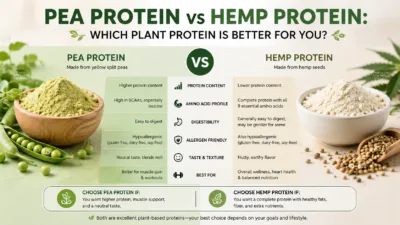
- Pea protein vs hemp protein
- Is pumpkin seed protein complete
- Hemp protein vs whey/pea/soy
Related Posts