
Hemp seed oil is a finishing oil, and almost every disappointment with it comes from treating it like a cooking oil. It has a low smoke point, a delicate nutty flavour, and a fatty-acid profile that heat destroys quickly. Used cold, it is genuinely versatile and takes about as much effort as opening a bottle. Used in a hot pan, it turns bitter and you lose the thing you paid for. This piece covers where it works in the kitchen, three things worth making regularly, and how to store it so it is still good when you reach for it.
Best ways to use hemp seed oil in the kitchen
The rule is simple: anything that is not going to be heated. That still leaves a lot of ground to cover, and the oil is flexible enough to work across most of it.
- Salad dressings, where it emulsifies well with mustard, vinegar, or lemon
- Drizzled over soup, stew, or cooked vegetables just before serving
- Stirred through hummus, yoghurt, or a bean dip
- Blended into smoothies, where the flavour disappears almost entirely
- Tossed through warm grain bowls or pasta after they come off the heat
- Spooned over roasted vegetables in the last minute, rather than used to roast them
The one partial exception is gentle warmth. Adding a spoonful to a sauce that has just come off the heat, or stirring it into a dish that has cooled for a minute, is fine. What destroys it is a dry pan, sustained high heat, or repeated reheating.
For anything that needs real heat, use a stable fat and add hemp oil at the end. A refined hemp seed oil is more heat-tolerant than cold-pressed and is the better choice if you want to cook with hemp, though it loses some of the aroma.
A 3-minute salad dressing
This is the recipe worth memorising because it scales, keeps, and works on almost anything green.
- Three tablespoons cold-pressed hemp seed oil
- One tablespoon cider vinegar or lemon juice
- One teaspoon Dijon mustard, which is what holds it together
- Half a teaspoon of honey or maple syrup, optional
- Salt, pepper, and anything else you like: garlic, herbs, a little grated ginger
Put everything in a jar, screw the lid on, and shake it hard for fifteen seconds. That is the whole method. It keeps in the fridge for up to a week and separates on standing, so shake it again before using. The ratio is three to one oil to acid, which you can adjust to taste; more acid for a sharp dressing on bitter leaves, less for something mild.
Dips and spreads
Hemp oil blends well into anything with body, and it adds richness without much effort.
For hummus, blend chickpeas, tahini, lemon, and garlic as usual, then drizzle in a tablespoon of hemp oil while the machine runs. It lightens the texture and rounds off the sharpness of the lemon. For a quick yogurt dip, stir hemp oil into thick yogurt with lemon zest, chopped herbs, and salt; it is ready in two minutes and works with raw vegetables or grilled meat.
It also makes a good base for a herb oil. Blend a handful of soft herbs with a hundred millilitres of hemp oil until bright green, then strain if you want it clean. Use it within a day or two, since fresh herbs in oil do not keep.
Heat and storage guidance
Cold-pressed hemp seed oil has a smoke point around one hundred and sixty-five degrees Celsius, which is lower than almost every oil people cook with by default. Past that it smokes, turns bitter, and begins to break down.
Storage matters as much as heat. The oil is high in polyunsaturated fat, which oxidises on contact with oxygen, light, and warmth. Keep the bottle in the fridge once opened, buy in dark glass, and close the cap properly each time. An opened bottle properly refrigerated stays good for two to three months; the same bottle in a warm cupboard can turn in six weeks.
Buy a size you will use. Because the oil is for finishing rather than bulk cooking, most households get through 250 ml in a couple of months, and a larger bottle will very often go off before it is finished.
Building a hemp seed oil recipe kit
If you want hemp oil to become a habit rather than a bottle that sits in the fridge door, it helps to keep a few things alongside it.
- A jar with a tight lid, for shaking dressings directly in
- Good vinegar and lemons, since acid is what makes a dressing work
- Dijon mustard, which emulsifies and stabilises
- Hemp hearts, for texture and protein in the same flavour family
- A stable cooking oil, so you are never tempted to use the hemp oil in a pan
With those in place, using the oil stops being a decision and becomes the default way you finish a plate. That is when it earns its place in the kitchen, and it is also when you will actually finish the bottle before it turns.
Q: Can you fry with hemp seed oil?
No, and it is worth being firm about this. Cold-pressed hemp seed oil has a smoke point around one hundred and sixty-five degrees Celsius, well below frying temperature. Heating it past that produces smoke, bitter flavours, and oxidised fats, which defeats the purpose of using a cold-pressed oil in the first place. Use a stable oil for frying and add hemp oil afterwards, or choose a refined hemp seed oil if you specifically want to cook with hemp.
Q: What does it taste like?
Mild, nutty, and slightly grassy, somewhere between a young olive oil and a sunflower seed. Fresh oil is pleasant and never bitter, and the flavour is delicate enough that it does not dominate a dish, which is why it works in so many cold preparations. If it tastes sharp, metallic, or like old nuts, it has oxidised and should be replaced. Cold weather can make it taste slightly more bitter if the seeds were pressed from a late harvest, but harshness is almost always spoilage.
Q: How should I store it?
Refrigerate after opening, in the dark glass bottle it came in, with the cap properly closed. Cold storage roughly doubles the usable life compared with a cupboard. The oil will cloud and thicken in the fridge, which is a physical change rather than spoilage and clears within a few minutes at room temperature. Keep it away from the oven and any sunny window, and if you use it slowly, buy smaller bottles rather than one large one.
Recommended Products

Organic Hemp Seed Oil
Premium organic hemp seed oil — cold-pressed, virgin & extra virgin grades. Perfect 3:1…
Organic Refined Hemp Seed Oil
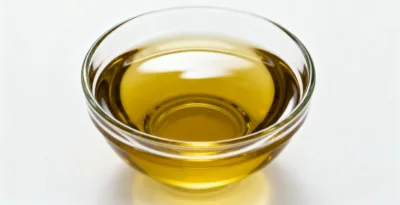
100% Certified Organic • Non-GMO ingredient • Neutral Flavor • High Smoke Point 232°C


