Plant-based protein powders have moved well beyond niche health food stores into mainstream supplement aisles. Two names come up repeatedly in comparisons and product formulations: pea protein and hemp protein. Both come from whole-food sources, both appeal to buyers avoiding dairy or animal products, and both take up real shelf space in a growing market. The similarities mostly end there.
Knowing how pea and hemp protein differ in nutrition, digestion, taste, and use helps you pick the right supplement for your goal. This guide is written for individual consumers weighing options and for product developers evaluating plant protein ingredients.
Understanding the sources
Pea protein origins
Pea protein is extracted from yellow peas, specifically the Pisum sativum legume. Dried peas are milled into flour, then protein is separated through fine grinding and air classification or salt extraction. The resulting concentrate usually runs 80-90% protein by weight, with starch and fiber making up the rest.
Yellow peas are grown globally as an affordable rotation crop with a low environmental footprint. Extraction generates pea fiber and starch as coproducts, so the harvested crop is used efficiently. For anyone concerned about agricultural sustainability, pea protein’s production profile is a meaningful plus over animal-based protein.
Hemp protein origins
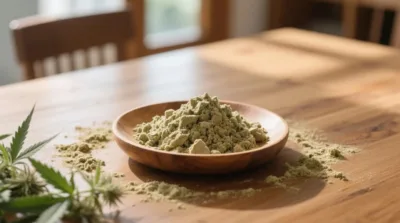
Hemp protein comes from industrial hemp seeds, Cannabis sativa plants bred for fiber and seed rather than psychoactive compounds. After cold-pressing for hemp seed oil extraction, the remaining seed meal is milled into powder. This approach uses nearly the whole seed, with oil and protein drawn from the same raw material.
Hemp seed protein powder typically runs 50-60% protein by weight, with dietary fiber and essential fats (including omega-3 and omega-6) making up the rest. The lower protein concentration next to pea reflects hemp seed’s higher fat and fiber content, which some buyers treat as a benefit rather than a shortfall.
Amino acid profiles: what your body actually needs
Protein quality depends heavily on amino acid composition, especially the presence and proportion of essential amino acids the body cannot make on its own.
Pea protein strengths
Pea protein is notably high in branched-chain amino acids (BCAAs), particularly leucine, isoleucine, and valine. Leucine deserves attention as the main trigger for muscle protein synthesis, the process that drives recovery and growth after exercise. Pea protein’s leucine content rivals whey, which makes it surprisingly effective for athletic use.
The gap is methionine and cysteine, amino acids plentiful in animal proteins but present only in modest amounts in most legumes. On its own, pea protein cannot fully support optimal synthesis without a complementary source.
Hemp protein characteristics
Hemp protein offers a more balanced essential amino acid profile, though with lower absolute BCAAs than pea. Its standout feature is elevated arginine, which supports nitric oxide production, circulation, and immune function, and also aids wound healing and hormone regulation.
Hemp protein’s moderate leucine makes it better suited to general protein needs and muscle maintenance than to maximizing muscle-building response. For buyers whose main goal is adequate daily protein rather than aggressive athletic performance, the profile is entirely sufficient.
Complementary positioning
The different amino acid profiles suggest complementarity rather than competition. Combining both addresses the limitations of each. Many commercial blends pair pea and hemp on purpose to reach more complete amino acid coverage.
For a single source, pea’s superior leucine makes it the more effective muscle-building choice. Hemp’s broader amino acid range suits general nutrition, digestive support, and buyers prioritizing overall health over athletic optimization.
Digestive properties: how your body processes each
Pea protein digestion
Pea protein digests moderately well, with research suggesting roughly 85-90% absorption. Some consumers get bloating and gas from it, especially in large servings or when first introducing legume-based proteins to their diet.
Raffinose-family oligosaccharides in peas drive gas production during digestion. Processing can reduce but not eliminate them. Pea protein isolate, with higher protein and lower carbohydrate, tends to cause fewer symptoms than concentrate.
For most people, pea digestion poses no real challenge. Those with existing sensitivities may need a gradual introduction or smaller servings to test tolerance.
Hemp protein digestion
Hemp protein’s fiber supports regularity and gut microbiome health, though that same fiber can loosen stools or increase bowel movements in sensitive individuals. The fiber fraction also contributes to the lower protein concentration, and some buyers prefer getting fiber alongside protein.
The omega fatty acids in hemp slow digestion compared with more processed isolates, which may promote satiety. Some researchers suggest moderate digestion rates suit appetite management better than rapid absorption, though this is still being studied.
Overall, hemp protein shows good digestive tolerance across populations. Its lack of common allergens makes it suitable for those with multiple dietary sensitivities.
Comparing protein content and serving sizes
The practical protein delivered per serving differs meaningfully between the two.
| Characteristic | Pea protein | Hemp protein |
|---|---|---|
| Protein concentration | 80-90% | 50-60% |
| Protein per 25g serving | 20-22g | 13-15g |
| Fat per serving | 1-2g | 4-5g |
| Fiber per serving | 1-2g | 5-6g |
| Calories per 25g | 90-100 | 100-110 |
Pea delivers more protein per serving weight, which makes it more efficient for buyers maximizing intake with minimal extra calories. Hemp’s fat and fiber add nutritional value but dilute protein concentration.
For buyers struggling to hit protein targets through food alone, pea is the more efficient supplement. For those already getting enough protein and wanting added nutritional benefits, hemp’s fiber and omega content add value that pure protein powders cannot.
Taste and sensory experience
Practical use depends a lot on taste and mixing.
Pea protein sensory profile
Pea protein has a distinctive earthy, slightly bitter flavor many describe as “green” or “beany.” This can be hard to take straight or with minimal flavoring. Most commercial pea products mask the base flavor with sweeteners, flavors, and texture agents.
In smoothies with strong ingredients like berries, chocolate, or peanut butter, pea integrates reasonably. In plain liquids or subtle flavors, its profile may be noticeable and off-putting.
Hemp protein sensory profile
Hemp protein tastes milder and nuttier than pea. In its natural state it is generally more pleasant, needing less aggressive flavor masking. Some buyers note a slightly gritty texture that may need a blender rather than a shaker bottle.
Its naturally nutty taste complements grain-based smoothies, dairy alternatives, and baking. In fruit-forward smoothies, hemp’s flavor may compete less successfully than neutral competitors.
Allergen and dietary compatibility
Pea protein allergen status
Pea protein comes from legumes, so it shares allergen cross-reactivity considerations with peanuts, soybeans, and lentils. Peas are not among the “big eight” major allergens requiring mandatory labeling in most markets, but consumer perception of legume ingredients varies.
Pea protein is naturally gluten-free, dairy-free, and soy-free when produced without cross-contamination, which covers several common dietary restriction categories at once.
Hemp protein allergen status
Hemp protein contains no gluten, dairy, or common legume allergens. Hemp seeds belong to a different botanical family than tree nuts and peanuts, so cross-reactivity concerns are minimal for tree-nut allergies. Its allergen-friendly profile suits formulations for sensitive populations or multiple dietary restrictions.
Both types fit vegan, vegetarian, and plant-based frameworks without qualification.
Athletic performance applications
Building muscle with plant proteins
Research consistently shows plant protein can support muscle building when eaten in adequate amounts and combined appropriately. The critical factor is total daily protein intake, not any single source.
For athletes maximizing muscle protein synthesis, pea’s superior leucine gives a measurable edge over hemp. Studies comparing pea to whey in resistance training show similar muscle-building outcomes when total protein is matched, suggesting pea’s leucine profile offsets other amino acid limits.
Hemp can support muscle maintenance and moderate building alongside resistance training. Its lower leucine means larger servings or more frequent intake to match the stimulation from pea or whey.
Endurance and recovery
For endurance athletes and buyers focused on recovery rather than building, hemp’s broader amino acid and omega profile may help. The anti-inflammatory effects of omega-3s support recovery, while arginine’s role in circulation aids nutrient delivery to recovering tissue.
Pea remains effective for endurance too, with its high protein density efficiently covering intake needs.
Cost considerations for consumers and brands
Retail pricing for pea and hemp varies by brand, organic status, and formulation complexity.
Consumer retail pricing (typical range):
- Pea protein isolate: $0.50-0.80 per 25g protein serving
- Hemp protein powder: $0.60-1.00 per 25g serving (less protein per serving)
Wholesale considerations (for brands):
- Pea protein benefits from large-scale commodity production, which keeps pricing competitive
- Hemp protein carries a premium reflecting lower production volumes and frequent organic certification
For cost-conscious buyers, pea typically delivers more protein per dollar. Hemp’s premium reflects its more complex nutritional profile and smaller market scale.
Making your choice
Choose pea protein when:
- Muscle building or athletic performance is the primary goal
- Maximum protein per serving matters
- Budget efficiency drives supplement spending
- The distinctive pea flavor is tolerable or enjoyable
- Legume allergies or sensitivities are not a concern
Choose hemp protein when:
- Overall nutrition and fibre content are priorities
- A complete food providing protein plus fiber and omega fats is preferred
- Allergen-free positioning matters
- Natural, minimally processed ingredients are valued
- Multiple protein sources are being combined for variety
Consider both together
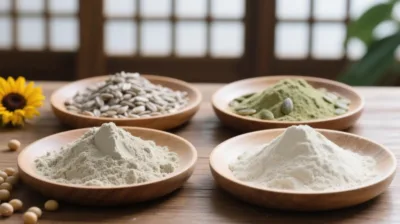
Many supplements and recipes pair pea and hemp on purpose for complementary benefits. Pea contributes efficient, leucine-rich protein for synthesis, while hemp adds fiber, omega fatty acids, and broader amino acid coverage. This combination addresses the limits of each type individually.
Conclusion
Pea and hemp protein are genuinely different approaches to plant-based supplementation rather than interchangeable options. Pea delivers concentrated, leucine-rich protein ideal for performance and efficient building. Hemp provides complete nutrition, including protein, fiber, and omega fatty acids, for buyers prioritizing holistic health.
Neither universally outperforms the other. Your goals, priorities, and usage patterns decide which serves you better. For most buyers, pea offers more direct muscle-building support, while hemp delivers broader nutritional benefits beyond pure protein.
Understanding these differences lets you choose based on actual priorities rather than marketing. Whether you choose pea, hemp, or both, plant-based protein supports health goals while accommodating diverse dietary needs. For those leaning toward hemp, organic hemp seed protein powder from suppliers such as HEMPLAND provides complete protein with all nine essential amino acids.
Frequently asked questions
Q: Which is better, pea or hemp protein?
A: Hemp offers a complete amino acid profile and a milder taste; pea is higher in lysine and blends well, so many brands combine both for a balanced profile.
Q: Is hemp protein a complete protein like pea?
A: Hemp protein is naturally complete with all nine essential amino acids; pea is high in most but lower in methionine, often complemented by rice or hemp.
Q: Which is better for clean-label products?
A: Both are plant-based and allergen-friendly; hemp adds omega-3 and a “complete protein” claim, while pea is widely recognized and cost-efficient.
Related Posts