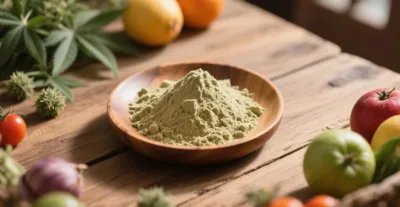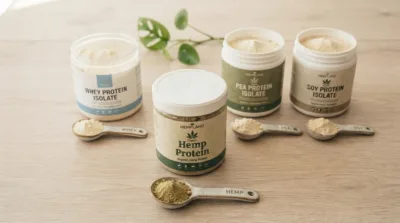
Protein powders are sold on promises, and weight management is the most common one. Hemp protein is worth a look in that context, but for narrower reasons than the marketing suggests. It will not burn fat, and no protein does. What it does offer is a combination of protein and fibre in a minimally processed powder, and that combination has a genuine effect on how full you feel between meals. Whether that translates into anything depends on how you use it and what the rest of your diet looks like. This piece sets out what hemp protein actually contributes, where it fits, and the claims that do not hold up.
Protein, fiber, and fullness
Two things in hemp protein are relevant to appetite. The first is straightforward: protein is the most satiating macronutrient. It takes more energy to digest than carbohydrate or fat, and it has a stronger effect on the hormones that signal fullness.
The second is less discussed. Hemp protein powder retains a meaningful amount of fibre, typically eight to twelve grams per hundred, because it is made by pressing and milling the whole seed rather than isolating the protein. That is unusual. Whey and most pea isolates are almost pure protein with the fibre stripped away. The residual fibre is why hemp protein has a slightly gritty, earthy texture that people either accept or dislike, and it is also why it tends to keep people full for longer than an isolate at the same protein dose.
The protein itself is complete, containing all nine essential amino acids, though it is relatively lower in lysine than soy or pea. For anyone eating a varied plant-based diet that is a non-issue, since lysine is easy to get from legumes and grains across a day. It matters only if hemp powder were your sole protein source, which it should not be.
How it fits a plan
The most useful way to think about hemp protein in a weight-management context is as a tool for making specific meals more filling without adding much volume or preparation time.
Breakfast is where it tends to help most. A smoothie with a serving of hemp protein, a portion of fruit, and some oat or nut butter holds most people through to lunch in a way that a fruit-only smoothie does not. The same logic applies to an afternoon slump: a shake with protein in it is a better choice than a pastry, not because it is magic but because it addresses the hunger rather than the craving.
Timing matters less than total intake. The old idea of a narrow anabolic window applies to training adaptations, not to appetite, and for weight management what counts is your protein total across the day and whether you are in a sustainable deficit. A serving whenever it is convenient is fine.
A simple smoothie
This is a baseline rather than a recipe that needs following exactly. It is designed to be filling, quick, and tolerable enough to repeat.
- 300 ml unsweetened plant milk or dairy milk
- One generous tablespoon of hemp protein powder, around 25 to 30 g
- One small banana, frozen if you want it thick
- A tablespoon of hemp hearts for extra fat and texture
- A teaspoon of nut butter, and cinnamon or vanilla if you want it
Blend it for thirty seconds and drink it within the hour. That gives roughly twenty-five grams of protein, eight to ten grams of fibre, and enough fat to slow digestion. If you are using it as a meal rather than a snack, add a portion of oats. Hemp protein thickens as it sits, so if you are preparing it ahead, add a little more liquid than you think you need.
Not a shortcut
The claims worth dismissing are the ones that make protein sound metabolic. Hemp protein does not burn fat, does not increase metabolic rate meaningfully beyond the modest cost of digesting protein, and does not cause weight loss on its own.
Adding a shake to your existing diet adds calories. If those calories are on top of what you were already eating, you will gain weight. Protein powders support weight management only when they replace something less filling or help you hold a deficit without feeling deprived. Used as an addition, they do the opposite.
The other honest limitation is that powder is a supplement to food, not a replacement for it. Whole foods bring structure, water content, and a range of compounds that a powder does not. A diet built around protein shakes is worse than the same macros from food, even when the numbers match.
Choosing a clean powder
Hemp protein varies more than people expect, mostly in how much fibre is retained and how fine the milling is.
- Check the protein per serving rather than per hundred grams, since high fibre lowers the percentage
- Look for a short ingredient list, ideally just hemp
- Choose organic where you can, since the whole seed is milled, not just the protein fraction
- Avoid blends with added sweetener and filler if you are using it daily
- Buy a small amount first, because the earthy taste is genuinely divisive
Texture is the practical deciding factor. Coarser powders hold more fibre and keep you fuller, but they are grittier. Finely milled powders drink more easily and usually have less fibre. There is no right answer, only the one you will actually keep using. A well-made organic hemp protein powder should list one ingredient and tell you the protein per serving on the front of the pack.
Q: Does hemp protein burn fat?
No. No protein does. Protein supports fat loss indirectly by preserving lean mass in a deficit, by being more satiating than carbohydrate or fat per calorie, and by costing slightly more energy to digest. Those are real effects, but they are modest and they operate through appetite and body composition rather than through fat burning. Anyone marketing a protein powder as a fat burner is overselling it.
Q: How much should I use?
One serving of twenty-five to thirty grams is enough for most people, once or twice a day depending on your total protein target. More than that in a single sitting is largely wasted, since the body can only use so much at once for muscle protein synthesis, and the extra simply adds calories. Work out roughly what you need across the day from your body weight and activity level, then use the powder to close the gap rather than as the foundation.
Q: Is it good for meal replacement?
Occasionally, not routinely. A shake with hemp protein, fruit, oats, and nut butter covers protein, fibre, and fat reasonably well and is fine when you are short on time. But it is low in volume relative to its calories, so it does not keep everyone full as long as a solid meal would, and it lacks the range of micronutrients you get from varied food. If you do replace meals with shakes regularly, build them properly with fruit, grains, and fat, and keep most of your meals as actual food.
Recommended Products
Organic Hemp Seed Protein
Premium organic hemp seed protein powder — 70%, 75%, 80% protein grades. Complete plant…
Related Posts