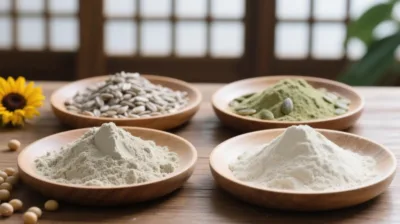
Choosing a protein supplement can feel overwhelming. Walk into any health food store or browse online retailers and you will find dozens of options all claiming to be the best. Whey has dominated the fitness world for decades, while plant-based alternatives have gained real traction in recent years. Among plant proteins, hemp, pea, and soy consistently rank as top picks for health-conscious buyers.
That is what this comparison is for. Whether you are building muscle, managing weight, eating plant-based, or just topping up your intake, knowing the real differences between these sources helps you pick something that fits your goals and values.
Quick overview: protein sources at a glance
Here is a side-by-side overview of how these four popular protein sources compare before we get into the detail.
| Protein Source | Type | Complete Protein | Digestibility (DIAAS) | Best For |
|---|---|---|---|---|
| Hemp Protein | Plant-based | No (partial) | 57-63% | Plant-based diets, sensitive stomachs, gut health |
| Whey Protein | Animal-based | Yes | 100-110% | Muscle building, post-workout recovery |
| Pea Protein | Plant-based | No (partial) | 67-79% | Plant-based diets, muscle building, allergen-free |
| Soy Protein | Plant-based | Yes | 80-91% | Plant-based complete protein, versatility |
The table makes the “complete protein” split obvious immediately. Whey and soy deliver all nine essential amino acids in adequate proportions, while hemp and pea need complementary pairing with other protein sources to reach nutritional completeness.
Protein content and quality
grams per serving
Serving sizes matter when you compare protein content. Most powders give 20 to 30 grams of protein per scoop, though the exact amount varies by brand and formulation.
Whey concentrate typically delivers 20 to 24 grams per scoop, while whey isolate can reach 24 to 30 grams with minimal fat and carbohydrate. That makes whey one of the most protein-dense options available.
Pea protein generally gives 20 to 25 grams per serving, comparable to whey per scoop. Pea powders often need slightly larger servings to match whey gram for gram, though.
Hemp protein offers 15 to 20 grams per serving, depending on whether you use a full-spectrum hemp protein or a more refined isolate. The lower density means you may need larger servings to hit your targets.
Soy protein sits in the middle at 20 to 25 grams per serving, similar to pea and whey concentrates.
Amino acid profiles
Protein quality goes past total grams to amino acid composition. All proteins are built from twenty amino acids, nine of which the body cannot synthesize and must get from food.
Whey excels in branched-chain amino acids (BCAAs), particularly leucine, which plays a central role in triggering muscle protein synthesis. Whey typically gives about 5.5 grams of BCAAs per 25-gram serving, which makes it especially effective for muscle building and recovery.
Soy is also a complete protein with a well-balanced amino acid profile. It supplies adequate levels of all essential amino acids, though its leucine runs slightly below whey. Soy stands out for lysine content, which many plant proteins lack in sufficient amounts.
Pea protein carries excellent BCAAs, especially leucine, but falls short on methionine and cysteine. Its lysine is respectable, which makes it complementary when paired with grains or other sources that supply sulfur-containing amino acids.
Hemp protein offers a distinctive amino acid profile with good arginine and BCAAs. It is relatively low in lysine, though, which makes it an incomplete protein for anyone not supplementing with lysine-rich foods. Hemp pairs well with complementary sources like grains, legumes, or other plant proteins.
For the best plant protein powder options, combining different plant sources can build a complete amino acid profile while leaning on the unique benefits each one brings.
Digestibility and stomach comfort
How your body absorbs and uses protein matters as much as the nutrition label. Digestibility varies a lot across these four sources, which changes how much actually gets absorbed and used.
Whey protein
Whey is a fast-digesting protein, typically emptying the stomach within 90 minutes to two hours after consumption. That rapid digestion makes whey especially effective for post-workout nutrition, when getting amino acids to muscles quickly aids recovery and growth.
Some people still get digestive discomfort from whey, particularly concentrate, because of its lactose. Lactose intolerance affects an estimated 65% of the global population to some degree, which makes dairy proteins a problem for a large share of buyers.
Hemp protein
Hemp protein is generally well tolerated. The fiber in whole hemp protein supports healthy digestion and gut motility, which many users prefer over the rapid, sometimes uncomfortable rush of fast-digesting whey.
For the easiest-to-digest powder question, hemp often ranks among the gentlest. The natural fiber and balanced nutrient profile tend to support steady energy without the bloating or upset some users get from other sources.
Hemp protein typically digests over two to three hours, giving a more sustained amino acid release than whey. That makes hemp a strong pick for steady energy through the day rather than rapid post-workout absorption.
Pea protein
Pea protein sits between hemp and whey on digestion speed. Most users tolerate it well, though some report mild gas or bloating, especially when first adding it or taking larger servings.
Pea generally digests within two to three hours, similar to hemp. That moderate rate flexes across uses, from meal replacement to post-workout recovery.
Soy protein
Soy digestibility varies with processing and individual tolerance. Traditional soy isolate offers good digestibility, comparable to pea. Some people still get digestive issues from soy because of its complex carbohydrates and natural antinutrients.
Fermented soy products and organic powders with improved processing may digest better for sensitive people. As with other plant proteins, starting with smaller servings lets your system adjust.
Allergens and dietary restrictions
Knowing potential allergens matters when you pick a supplement, especially if you have known sensitivities or are shopping for family.
Whey protein
Whey comes from milk, so it is out for anyone with dairy allergies or lactose intolerance. It is also not vegan, which removes it for plant-based buyers.
For those who tolerate dairy, whey remains an excellent option. The dairy content does raise cross-contamination concerns for people with severe milk allergies, though.
Soy protein
Soy is one of the eight major food allergens, affecting a significant share of the population. Soy allergies are especially common in children, though many outgrow them by adulthood.
Beyond allergies, some buyers avoid soy over phytoestrogen (isoflavone) concerns about hormone balance. The research is inconclusive, but those concerns shape plenty of purchasing decisions.
Hemp protein
Hemp protein comes from hemp seeds, which are not related to the psychoactive parts of the cannabis plant. Hemp seeds have negligible THC and have been eaten safely for thousands of years.
Hemp seed allergies are rare, though not impossible. The seed origin means hemp protein is generally safe for people with common allergies including nuts, dairy, soy, and eggs. That makes hemp a strong hypoallergenic option for those with multiple food sensitivities.
Hemp protein is naturally gluten-free, which suits people with celiac disease or gluten sensitivity. For buyers navigating several dietary restrictions, hemp often emerges as a safe, versatile choice.
Pea protein
Pea protein is free from major allergens including dairy, soy, nuts, and eggs. That makes it a strong option for people with common food allergies who want a plant-based source.
Like hemp, pea is gluten-free and fits various diets. The allergen-free profile is a big reason for pea’s growing popularity among health-conscious and multi-restriction buyers.
Flavor and mixability
Taste and texture decide whether you actually use a supplement consistently. No matter how nutritious, if you dislike the flavor you will quit.
Whey protein
Whey benefits from decades of product development tuned for flavor and texture. Most whey powders mix smoothly in shakers and blender bottles, giving creamy textures without grittiness.
Natural whey has a mild dairy flavor that pairs with virtually any additive. Common options include vanilla, chocolate, strawberry, and more adventurous flavors. Whey blends readily into both smoothies and plain liquids.
Hemp protein
Hemp protein has a distinctly earthy, nutty flavor from its whole-food origin. Some buyers like this natural taste, others want it masked with stronger flavors like cacao, peanut butter, or banana.
Hemp can feel slightly grainy next to whey, though that varies by brand and processing. Higher-quality micro-milled hemp proteins tend to give smoother textures. HEMPLAND’s organic hemp seed protein is processed to minimize grittiness while keeping its nutritional integrity.
Pea protein
Pea protein has a mild, slightly chalky flavor some describe as chickpea-like. It is neutral enough for fruit smoothies, though it can stand out in plain liquids.
Texture-wise, pea can be slightly gritty, though premium formulations minimize this. Pairing pea with fruit, nut butters, or cacao hides any textural issues.
Soy protein
Soy protein has a mild, slightly beany flavor that pairs with vanilla and chocolate. Most buyers find soy powders mix smoothly and give acceptable textures.
The neutral flavor makes soy versatile across recipes. Buyers wanting a completely neutral taste may still prefer whey, though.
Cost comparison
Price per gram of protein is a practical comparison for budget-conscious buyers. Supplements vary widely in cost by brand, quality, and source.
Whey often gives the lowest cost per gram of complete protein, particularly concentrate. The mature market, efficient production, and broad demand keep whey prices competitive.
Plant-based proteins typically cost a bit more per gram, reflecting more complex processing and smaller production scales. Prices keep falling as plant protein demand grows, though.
Hemp and pea generally fall in similar price ranges, with soy often priced slightly lower from established production infrastructure.
When comparing value, weigh not just price per serving but also digestibility and completeness. A pricier protein your body absorbs and uses well may beat a cheaper one that causes digestive discomfort or needs complementary foods to reach a complete amino acid profile.
Best use cases by goal
Your specific goals decide which source fits. The matchup below should settle it.
Muscle building and athletic performance
For maximum muscle protein synthesis and fast recovery, whey remains the industry standard. The high leucine and superior digestibility make whey especially effective post-workout.
Pea protein is the best plant-based alternative for muscle building. Research suggests pea supports muscle protein synthesis comparably to whey at adequate amounts, particularly when leucine is sufficient.
Weight management
All four can support weight management inside a balanced diet. Protein’s satiating effect helps control appetite and supports healthy metabolism.
Hemp and pea offer advantages for weight management through their fiber, which boosts fullness and supports digestive health. Hemp’s slower digestion may help hold steady energy through the day, which can cut cravings.
Sensitive stomachs and tolerance
For sensitive digestive systems or gut recovery, hemp is often the gentlest. The fiber supports gut microbiome health, and the balanced nutrient profile is generally well-tolerated.
Pea also tends to be well-tolerated, though some people need an initial adjustment period. Starting with smaller servings and scaling up lets your system adapt.
Complete plant-Based commitment
For dedicated vegans and fully plant-based nutrition, soy and pea give complete profiles when properly formulated. Hemp stays valuable as part of a diverse plant strategy, adding omega-3 fatty acids and fiber.
Combining hemp with pea or soy builds complementary amino acid profiles while leaning on each source’s strengths. That fits the principle that variety in plant proteins gives the most complete nutrition.
If you want to learn more about complete proteins from plant sources, explore our guide to complete plant proteins explained.
Making your choice
Picking the right supplement depends on your circumstances, preferences, and priorities. There is no universally “best” option for everyone.
Start with dietary restrictions. Dairy allergies, lactose intolerance, or a vegan lifestyle eliminate whey immediately. Soy allergies or phytoestrogen concerns eliminate soy, leaving hemp, pea, or combinations.
Next, weigh digestive tolerance. Starting with smaller servings of any new source lets you see how your body responds before committing to larger amounts.
Think about your primary goals. Maximizing muscle building? Whey or high-leucine pea may serve you best. Wanting gentle digestion and whole-food nutrition? Hemp has compelling benefits.
Consider flavor preferences and how much you will work with earthy, nutty profiles versus neutral options.
Finally, factor in budget and how the protein fits your lifestyle. The best supplement is the one you will use consistently as part of a balanced approach.
HEMPLAND’s organic hemp seed protein is a clean, hypoallergenic option for gentle plant-based protein. Our protein goes through rigorous quality testing to ensure purity and nutritional integrity.
Conclusion
Four proteins, four jobs. Whey is still the muscle-building standard: 100 to 110 percent DIAAS, about 5.5 g of BCAAs per 25 g serving, and fast digestion that fits the post-workout window, but it is off the table for vegans and the lactose-sensitive 65 percent of the population. Soy is the other complete plant protein at 80 to 91 percent DIAAS, though allergen load and the phytoestrogen debate limit it for some. Pea lands at 67 to 79 percent DIAAS with strong leucine and clean allergen labels, the best vegan pick for muscle. Hemp sits lowest on DIAAS at 57 to 63 percent and is incomplete on its own (it is low in lysine), but it is the gentlest on the stomach, allergen-free, and brings fiber and omega fatty acids no isolate does.
The honest takeaway is to match the protein to the job. Chasing max lean-mass gains and tolerate dairy? Whey. Plant-based and training hard? Pea, or soy if allergens are not a concern. Sensitive stomach, whole-food nutrition, or a clean label? Hemp earns its spot, ideally paired with pea or soy to close the lysine gap. HEMPLAND’s organic hemp seed protein is one clean, hypoallergenic way in.
Frequently asked questions
Q: Is hemp protein as effective as whey for muscle? A: Whey is faster-absorbing and leucine-rich; hemp is a plant protein that supports muscle synthesis well for plant-based diets, though with slightly lower leucine.
Q: How does hemp compare to soy protein A: Hemp avoids soy allergens and GMO concerns, offers a complete profile, and carries a cleaner label than many soy isolates.
Q: Can hemp, pea, and soy be blended A: Yes, blending hemp with pea or soy balances amino acids and taste, a common strategy in premium plant-protein formulations.
Related articles
Related Posts