
The cosmetic industry is increasingly shifting toward plant-based, sustainable ingredients. Hemp seed oil has gained significant attention for its unique fatty acid profile, non-comedogenic nature, and skin barrier support properties. For cosmetic formulators, refined hemp seed oil offers practical advantages over cold-pressed oil in terms of stability, color, and sensory profile. This guide covers the technical aspects of incorporating refined hemp seed oil into cosmetic formulations, from fatty acid composition to regulatory compliance.
Refined vs cold-pressed hemp seed oil for cosmetics
For formulators selecting the right grade for their product line, understanding this difference is essential. For a detailed comparison, see our article on cold-pressed vs refined hemp seed oil.
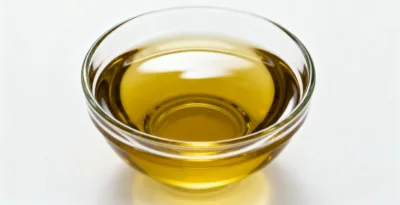
Refined hemp seed oil is processed to remove chlorophyll, pigments, and volatile compounds, resulting in a pale yellow, nearly odorless oil. The refining process extends shelf life to 24+ months and delivers consistent batch-to-batch quality, critical for brands that need predictable color, scent, and performance in their formulations. Refined oil is the preferred choice for mainstream skincare products, sensitive-skin lines, and any formulation where a neutral base oil is required.
Cold-pressed hemp seed oil retains its natural greenish color and characteristic nutty aroma. It contains higher levels of antioxidants but has a shorter shelf life of 6-12 months. Cold-pressed oil appeals to brands positioning their products as “natural” or “premium” and works well in formulations where the green tint and earthy scent are seen as authenticity markers rather than drawbacks.
Many brands use both grades strategically: cold-pressed for natural and artisanal product lines, refined for mainstream, sensitive-skin, and baby care products where consistency and neutrality are paramount. For brands targeting the organic market, organic hemp seed oil is available in both refined and cold-pressed grades with full certification documentation.
Fatty acid profile for skin care
One of the most compelling reasons formulators choose hemp seed oil is its fatty acid composition, which remains intact even after refining. The lipid profile closely mirrors human skin’s natural composition, making it one of the most skin-compatible plant oils available.
Linoleic acid (omega-6) sits at about 55-60 percent and anchors barrier function: it helps hold the stratum corneum together, cuts transepidermal water loss, and supports the ceramides that keep skin hydrated and resilient. Alpha-linolenic acid (omega-3) at 15-20 percent brings anti-inflammatory action that calms redness, irritation, and reactive skin, which makes the oil useful in sensitive and acne-prone formulas. Gamma-linolenic acid (GLA) drops to trace levels after refining, though some remains; it supports skin regeneration and helps with dry, flaky, or eczema-prone skin, so for GLA-forward formulas it pays to blend refined with cold-pressed. Oleic acid (omega-9) at 10-15 percent acts as a penetration enhancer, helping other actives reach deeper skin, which makes hemp seed oil an effective carrier in serums. The roughly 3:1 omega-6 to omega-3 ratio is the closest match among common cosmetic oils to human skin’s own lipid ratio, so the skin recognizes and uses it readily, lowering irritation risk and maximizing moisturizing effect. For more on how these properties benefit different skin types, see our guide to hemp seed oil for skin.
Comedogenic rating and skin compatibility
Hemp seed oil has a comedogenic rating of 0, meaning it will not clog pores. This rating places it in an exclusive category alongside a small number of oils, such as squalane and mineral oil, that are considered safe for facial use across all skin types.
That non-comedogenic profile makes it suitable across the board: oily and acne-prone skin where pore-clogging is the main worry, dry and dehydrated skin that needs barrier repair and moisture, sensitive skin that demands gentle non-irritating ingredients, mature skin that benefits from antioxidant and lipid support, and baby skin where mildness is non-negotiable. Allergic reactions are extremely rare and dermatological assessments classify it as non-irritating, so it is one of the few oils confident in facial formulas for every demographic, from infants to adults with compromised barriers.
Cosmetic formulation applications
Refined hemp seed oil’s versatility allows it to serve as a key ingredient across a wide range of product categories.
Facial oils and serums
In oil-based serums, refined hemp seed oil can function as the primary base oil or as a co-oil blended with more expensive specialty oils. Its neutral color and scent allow active ingredients, such as retinol, vitamin C, or niacinamide, to take center stage without competing with the base oil’s characteristics. Usage levels in serums typically range from 50-100%.
Moisturizers and creams
In emulsion-based moisturizers, hemp seed oil serves as the primary lipid component. Its compatibility with standard cosmetic emulsifiers makes it easy to incorporate into both oil-in-water and water-in-oil systems. Usage levels in creams generally fall between 1-5% for light day creams and 5-15% for richer night creams.
Body oils and lotions
For full-body hydration products, hemp seed oil provides effective moisturization without a heavy or greasy feel. Its quick absorption rate makes it comfortable for daily-use body lotions and body oils, with typical usage levels of 10-30%.
Hair care
In hair oils, conditioners, and scalp treatments, hemp seed oil nourishes the scalp and adds shine without weighing hair down. The omega fatty acids support scalp health and can help reduce dryness and flakiness. Usage levels vary from 1-5% in rinse-out conditioners to 10-20% in leave-in treatments.
Makeup removers
Hemp seed oil effectively dissolves makeup, sunscreen, and sebum without clogging pores or irritating the skin. Its non-comedogenic nature makes it an ideal base for oil-based cleansers and makeup removal products. Usage at 30-50% delivers thorough cleansing with a comfortable post-cleansing feel.
Lip balms
The omega-rich profile of hemp seed oil nourishes and protects the delicate skin of the lips. Combined with its neutral taste (in refined form), it works well as a base oil in lip balm formulations at 5-15%.
Baby products
Given its comedogenic rating of 0, non-irritating nature, and skin-compatible fatty acid profile, refined hemp seed oil is one of the safest plant oils for infant skincare. Baby lotions, diaper creams, and baby oils can incorporate it at 3-10%.
Massage oils
The light texture and quick absorption of refined hemp seed oil make it comfortable for massage applications. It can be used as a standalone massage oil or blended with slower-absorbing oils like sweet almond for extended glide. Usage ranges from 50-100%.
Formulation tips for cosmetic chemists
Practical considerations for incorporating hemp seed oil into cosmetic formulations.
Usage levels vary significantly by product type. In creams and moisturizers, 1-5 percent provides meaningful skin benefits without altering texture. In lotions and body products, 10-30 percent delivers full moisturizing performance. In facial oils and serums, 50-100 percent is common since these products are primarily oil-based. Emulsification works well with standard cosmetic emulsifiers. Polysorbates, cetearyl alcohol, glyceryl stearate, and other commonly used emulsifying agents form stable emulsions with hemp seed oil, so no special emulsifier selection is required, which simplifies formulation development. Antioxidant addition is recommended even with refined oil. Adding 0.1-0.5 percent vitamin E (tocopherol) provides an additional layer of oxidative protection, particularly important in emulsion systems where water introduces additional degradation pathways, and this small addition can significantly extend the shelf life of the final product. pH compatibility is broad. Hemp seed oil is stable across pH 4-8, covering the range of virtually all cosmetic formulations, from acidic toners (pH 4-5) to neutral cleansers (pH 6-7) and slightly alkaline body products (pH 7-8). Temperature tolerance allows standard processing. Hemp seed oil can be heated to 70°C for emulsion formation without degradation, which accommodates most cream and lotion manufacturing processes, but avoid exceeding 80°C, as higher temperatures accelerate oxidation and degrade the fatty acid profile. Blending strategies can enhance performance. Hemp seed oil pairs well with jojoba oil (which mimics natural sebum), argan oil (rich in vitamin E and oleic acid), and rosehip oil (high in vitamin A and omega-3), and these blends let formulators build multi-oil systems that deliver broader skin benefits while keeping the non-comedogenic and skin-compatible foundation that hemp seed oil provides.
Stability and shelf life in formulations
Shelf life management is a key consideration for any oil-based ingredient, and refined hemp seed oil offers distinct advantages here.
Bulk oil shelf life is 24+ months when stored properly, in dark containers, below 25°C, and away from direct sunlight, a direct result of the refining process, which removes chlorophyll and other oxidation-prone compounds. In emulsion systems (creams, lotions), the stability of hemp seed oil depends on the overall formulation. Water introduces oxidation pathways, so effective preservative systems and antioxidant additions are essential, and well-formulated emulsions with proper preservatives and 0.2-0.5 percent tocopherol can achieve shelf lives of 12-24 months. In anhydrous products (facial oils, balms, body oils), refined hemp seed oil is highly stable, and the shelf life of these products generally matches that of the oil itself, 24+ months, since there is no water phase to drive oxidation. Stability testing should always include peroxide value (PV) monitoring. Track PV during accelerated stability testing of final products to confirm that the formulation adequately protects the oil from oxidation. A PV below 10 meq/kg is generally acceptable for cosmetic products; values above 20 meq/kg indicate significant oxidation and potential rancidity.
Regulatory and labeling considerations
Hemp seed oil has clear and straightforward regulatory status in most major cosmetic markets, which simplifies compliance for B2B buyers.
The INCI name is Cannabis Sativa (Hemp) Seed Oil, the standard labeling designation required on all cosmetic ingredient lists. The CAS number is 89997-17-1, used for regulatory documentation and ingredient registration. It is not a controlled substance: hemp seed oil contains no THC or CBD and is not regulated under narcotics or controlled substance legislation in any major market. In the EU it is approved for cosmetic use under the EU Cosmetics Regulation, with no specific restrictions on concentration or application. In the US it is permitted as a cosmetic ingredient under FDA guidelines, with no pre-market approval required. In Japan it is approved for cosmetic use under the Japanese Pharmaceutical Affairs Law. It can be labeled organic when sourced from certified organic producers, and organic hemp seed oil with full certification is available from HEMPLAND. It is inherently plant-based and compatible with vegan and cruelty-free labeling claims. As always, verify specific requirements for target markets, since some jurisdictions may have unique labeling or documentation requirements.
Sustainability and marketing claims
Hemp is one of the most sustainable crops available to the cosmetic industry, and these sustainability attributes translate directly into marketing advantages.
The environmental benefits of hemp cultivation include low water usage compared to conventional oil crops, no requirement for pesticides (especially in organic production), soil health improvement through deep root systems and nutrient cycling, and rapid growth cycles that allow multiple harvests per year. Hemp also has carbon-negative potential, it absorbs more CO2 per hectare than most agricultural crops, making it a compelling choice for brands with climate-conscious positioning.
The marketing claims that hemp seed oil supports include “plant-based,” “sustainable,” “omega-rich,” “non-comedogenic,” and “skin-compatible.” These claims align with the clean beauty trend that continues to drive consumer purchasing decisions across global markets. Hemp seed oil fits the clean beauty category perfectly, it is natural, effective, sustainable, and transparently sourced.
Clean beauty positioning is one of the strongest marketing angles for hemp seed oil formulations. Consumers increasingly seek products with simple, recognizable ingredient lists, and “Cannabis Sativa (Hemp) Seed Oil” is both transparent and increasingly familiar to mainstream beauty consumers. Brands that incorporate hemp seed oil can tell a credible sustainability story backed by real agricultural and environmental data.
HEMPLAND provides organic hemp seed oil with full sustainability documentation, including organic certification, carbon footprint data, and supply chain transparency records, supporting brands that need verifiable sustainability claims for their marketing and compliance needs.
Conclusion
Refined hemp seed oil is one of the most versatile and skin-compatible oils available to cosmetic formulators. Its non-comedogenic nature, ideal fatty acid ratio, and excellent stability make it suitable for everything from facial serums to baby products. The refining process delivers a neutral, consistent oil that integrates seamlessly into mainstream formulations while maintaining the full fatty acid profile that makes hemp seed oil so valuable for skin health.
For brands seeking a sustainable, effective, and marketable plant-based ingredient, refined hemp seed oil is an excellent choice, supported by clean regulatory status, strong sustainability credentials, and a growing consumer awareness of hemp-derived skincare ingredients. HEMPLAND supplies bulk refined hemp seed oil with full cosmetic documentation, organic certification, and technical support for formulation development.
—
Recommended Products

Organic Hemp Seed Oil
Premium organic hemp seed oil — cold-pressed, virgin & extra virgin grades. Perfect 3:1…
Organic Refined Hemp Seed Oil
100% Certified Organic • Non-GMO ingredient • Neutral Flavor • High Smoke Point 232°C
Related Posts


