
The cosmetics industry is quietly reworking its ingredient sourcing. Formulators who once defaulted to conventional emollients are testing plant-based alternatives that perform without compromising safety or sustainability. Among these, refined hemp seed oil has gained real traction in skin care formulations. Unlike its cold-pressed counterpart, refined hemp seed oil is processed to remove chlorophyll and sediment, yielding a neutral-colored, odorless oil with stronger oxidative stability.
This article looks at why refined hemp seed oil has become a preferred choice for cosmetic manufacturers, covering its technical advantages, formulation benefits, and market position for B2B buyers.
Understanding refined hemp seed oil in cosmetics
Hemp seed oil from Cannabis sativa seeds carries a fatty acid profile that closely resembles the skin’s natural lipid barrier. It is rich in linoleic acid (omega-6) and alpha-linolenic acid (omega-3), typically in a 3:1 ratio that matches dermatological research on optimal skin nutrition. In cosmetic use, that composition translates into emollient properties, moisture retention, and mild anti-inflammatory effects.
Refinement is what sets it apart from cold-pressed. Through degumming, neutralization, bleaching, and deodorization, crude oil becomes a stable, clear product with a longer shelf life. Manufacturers favor the refined form for practical reasons that bear directly on production efficiency and product performance.
The neutral odor matters in formulations where fragrance compatibility counts. Cold-pressed hemp seed oil has a distinctive nutty scent that can clash with added perfumes or essential oils. Refined oil removes that constraint, giving more freedom in finished product development and less need for masking agents.
Technical advantages for formulators
Oxidative stability and shelf life
A primary challenge with plant-based cosmetic oils is their tendency to oxidize. Unsaturated fatty acids react with oxygen, causing rancidity, color shifts, and off-odors. For products with 12-24 month shelf life requirements, that is a serious formulation concern.
Refined hemp seed oil shows markedly better oxidative stability than cold-pressed. Refinement removes pro-oxidant components like chlorophyll and metal ions while concentrating the more stable triglyceride fractions. Independent lab testing shows refined oil holds acceptable peroxide values for significantly longer under accelerated aging.
That stability pays off in practice: fewer QC failures, fewer complaints about degradation, and easier inventory management through longer storage windows. For contract manufacturers running multiple lines, the consistency of refined oil simplifies quality assurance.
Formulation flexibility and compatibility
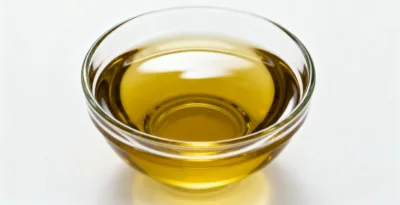
Cosmetic formulas need ingredients that blend smoothly without processing headaches. Refined hemp seed oil pours clearly at room temperature, blends readily with other emollients, and needs no heating to incorporate into cream, lotion, or serum bases. That handling ease shortens production cycles and lowers the energy cost of ingredient prep.
Its neutral color and odor also support clean-label strategies. As demand for transparent ingredient lists grows, manufacturers want components that add function without names that raise consumer questions. Refined hemp seed oil fits cleanly into INCI nomenclature while delivering measurable skin care benefits.
Compatibility testing shows it works across formulation types. In water-in-oil emulsions, it contributes rich, nourishing textures. In oil-in-water systems, it gives lightweight hydration without greasiness. In anhydrous products like balms and solid oils, it serves as a primary emollient base that stays stable across temperatures.
Skin care applications and benefits
Moisture barrier support
The skin’s outermost layer, the stratum corneum, depends on adequate lipid content to hold hydration and block environmental aggressors. When that barrier is compromised by harsh cleansing, environmental stress, or genetics, transepidermal water loss rises, leading to dryness, sensitivity, and faster aging signs.
Refined hemp seed oil delivers essential fatty acids that directly support barrier repair. Linoleic acid, abundant in the oil, is a precursor for ceramides, the lipid molecules that bind skin cells in the stratum corneum. By supplementing the skin’s natural lipids, topical use helps restore barrier integrity and reduce moisture loss.
Cosmetic studies note improvements in smoothness and elasticity after regular use of hemp seed oil formulations. These effects matter most for consumers with dry, sensitive, or compromised skin where conventional moisturizers fall short.
Omega-3 ALA content
The omega-3 ALA content is used in topical formulations for sensitive skin. Gamma-linolenic acid, present in smaller amounts, has been studied for its role in managing inflammatory skin responses. It is not a treatment for dermatological conditions, but it works well as a supportive ingredient in calming, sensitive-skin lines.
Brands targeting rosacea-prone, easily irritated, or post-procedure skin increasingly use hemp seed oil for its gentle, nourishing properties. Its natural origin and favorable safety profile support clean, skin-friendly marketing claims.
Non-comedogenic rating
A recurring concern with facial oils is pore clogging. The comedogenic scale rates ingredients by their likelihood to cause breakouts, and oils often score higher due to their occlusive nature. Refined hemp seed oil carries a low comedogenic rating, meaning it does not meaningfully contribute to pore blockages at typical cosmetic concentrations.
That makes it suitable for facial formulations aimed at combination and oily skin. Products can deliver hydration and barrier support without the heaviness of more occlusive oils, widening the addressable market for hemp-based skin care.
Market positioning for B2B buyers
Cost-effectiveness and supply chain considerations
From procurement’s view, refined hemp seed oil costs less than premium cold-pressed while delivering adequate performance for most cosmetic uses. Refinement, though it adds steps, converts a higher percentage of crude oil into usable product, improving overall yield.
Supply chain stability has strengthened as cultivation expands globally. Major regions including Canada, Europe, and China hold consistent production volumes, reducing the volatility that affects some specialty plant oils. For manufacturers setting long-term formulation standards, ingredient availability is a real consideration.
Regulatory compliance
Cosmetic ingredients must meet regulatory requirements in target markets. Refined hemp seed oil from hemp varieties under 0.3% THC complies with international rules on cannabis-derived ingredients. Refinement effectively removes any residual THC, yielding a non-psychoactive ingredient suitable for global distribution.
The International Nomenclature of Cosmetic Ingredients (INCI) lists Cannabis Sativa Seed Oil as the standard designation, which simplifies compliance documentation and ingredient declarations across the United States, European Union, and Asia-Pacific.
Technical documentation and quality assurance
Reputable suppliers provide thorough technical documentation for commercial use. Certificates of Analysis cover fatty acid profiles, peroxide values, color measurements, and microbiological results. This documentation streamlines quality assurance review and supports the safety assessments that cosmetic regulations require.
Third-party certifications including organic, non-GMO, and kosher add value for brands targeting specific segments. Refined options with these certifications support premium positioning and justify higher retail prices in competitive markets.
Comparative analysis: refined vs. cold-pressed
For manufacturers weighing options, the functional differences between refined and cold-pressed guide selection. The table below summarizes the key factors:
| Characteristic | Refined hemp seed oil | Cold-pressed hemp seed oil |
|---|---|---|
| Color | Clear, pale yellow | Deep green |
| Odor | Neutral | Nutty, distinct |
| Shelf life | Extended (18-24 months) | Limited (6-9 months) |
| Oxidative stability | High | Moderate |
| Formulation flexibility | Excellent | Good |
| Cost | Lower | Higher |
| Nutritional retention | Adequate | Optimal |
For applications that prioritize shelf stability, neutral sensory profile, and formulation ease, refined hemp seed oil is the pragmatic choice. Brands emphasizing “raw,” “unprocessed,” or “whole-food” positioning may prefer cold-pressed despite its handling limits. Many sophisticated lines use both strategically across different products. HEMPLAND supplies organic refined hemp seed oil that meets the purity and stability requirements for skin care formulations.
Conclusion
Refined hemp seed oil has become a reliable, versatile ingredient in modern cosmetic formulations. Its oxidative stability, neutral sensory profile, and skin-compatible fatty acid composition address real manufacturing concerns while delivering measurable consumer benefits. For brands evaluating ingredients for skin care lines, it deserves serious consideration on the strength of its technical profile and growing market acceptance.
B2B buyers seeking scalable, stable, and effective emollients will find refined hemp seed oil meets the demands of contemporary cosmetic production. As consumer awareness of hemp’s skin care benefits keeps growing, brands adopting this ingredient position themselves in an expanding segment with strong fundamentals.
—
Recommended Products

Organic Hemp Seed Oil
Premium organic hemp seed oil — cold-pressed, virgin & extra virgin grades. Perfect 3:1…
Organic Refined Hemp Seed Oil
100% Certified Organic • Non-GMO ingredient • Neutral Flavor • High Smoke Point 232°C
Related Posts


