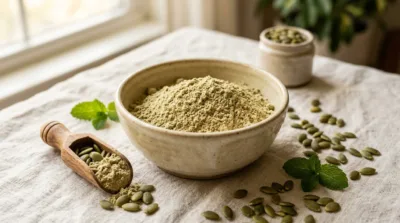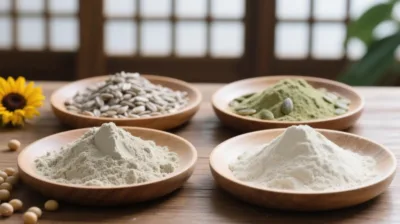
For millions of people with food allergies, intolerances, or simply sensitive systems, finding a safe, clean protein source is a daily challenge. Organic sunflower seed protein powder has emerged as a serious hypoallergenic alternative to soy, dairy, and even pea protein. Free from top allergens and gentle on digestion, it is quietly changing what plant-based nutrition can offer sensitive consumers. That is why formulators, parents, and health brands keep turning to sunflower protein when “safe protein” is the brief.
Why soy-free matters
Over 15% of people globally react to soy, the most common plant protein, due to its lectins, trypsin inhibitors, and genetic modification risks. Organic sunflower protein powder sidesteps all three:
- No major allergens (soy, dairy, gluten, nuts)
- Non-GMO and pesticide-free under organic certification
- Low FODMAP and easy to digest, with no bloating or gas
The science of hypoallergenicity
Sunflower seeds naturally lack the proteins that trigger immune responses in soy (Gly m 4) or nuts (Ara h 1). A 2023 study in *Food Chemistry* measured the consequences: 0% cross-reactivity with soy, peanut, or tree nut allergies, digestibility of 98% versus 78% for soy protein isolate, and no anti-nutrient activity detected. Unlike soy, the samples contained no phytic acid or enzyme inhibitors.
Organic sunflower protein powder: how it’s made
- Organic farming: seeds grow without synthetic pesticides, preserving their hypoallergenic purity.
- Cold-pressing: oil is mechanically extracted, no hexane involved.
- Gentle isolation: protein is separated using water and enzymes, retaining amino acids like lysine and methionine.
- Allergen-free facilities: processing happens in dedicated spaces to avoid cross-contamination.
Key benefits for sensitive formulations
1. Safe for allergen-free labeling
Meets FDA/FSA/EU standards for free-from claims covering gluten, soy, dairy, and nuts. Ideal for baby food, medical nutrition, and vegan products.
2. Neutral flavor and smooth texture
No grassy or beany aftertaste, so it blends seamlessly into infant formula, protein bars for schools, and elderly meal replacements.
3. Balanced amino acid profile
PDCAAS score of 0.7, higher than pea or rice protein, plus branched-chain amino acids (BCAAs) for muscle repair.
4. Sustainable and clean
Sunflowers regenerate soil and require 70% less water than soy. Carbon-neutral processing aligns with eco-conscious branding.
Sunflower protein vs. other plant proteins
| Protein Source | Allergy Risk | Digestibility | Anti-Nutrients |
|---|---|---|---|
| Soy Protein | High (15-30%) | Moderate | Phytic acid, lectins |
| Pea Protein | Low (1-5%) | High | Saponins |
| Rice Protein | Very Low | Moderate | Arsenic risk |
| Sunflower Protein | Near Zero | High | None |
Who needs sunflower protein?
- Infants and toddlers: hypoallergenic formula base for cow’s milk protein allergy (CMPA).
- Autoimmune patients: compatible with AIP, Hashimoto’s, or leaky-gut protocols.
- Athletes with sensitivities: post-workout recovery without digestive stress.
- Vegan brands: clean-label, non-soy protein for bars, shakes, and baked goods.
Formulation tips
Add 2-5% sunflower protein to gluten-free doughs for elasticity. Fortify soups, cereals, or plant-based milk by an extra 10-15% protein. For a complete amino acid profile, pair it with pumpkin seed protein.
This hypoallergenic approach is further supported by sustainable zero-waste pumpkin seed protein production. For prenatal applications, sunflower protein for maternal nutrition offers additional context.
Certified organic: non-negotiable for safety
Non-organic sunflower crops are often treated with neonicotinoids, pesticides linked to gut disruption. Organic certification closes that door at three levels: no neurotoxic pesticides, heavy metal testing for lead and cadmium, and verified non-GMO integrity.
FAQs
Can sunflower protein replace soy in infant formula?
Yes. Its hypoallergenic profile meets WHO/ESPGHAN guidelines for CMPA.
What about shelf life?
24 months in airtight packaging; no refrigeration needed.
Is the facility nut-free?
Reputable suppliers use allergen-dedicated lines.
How does cost compare to pea protein?
Roughly 15-20% higher, justified by purity and niche market appeal.
Organic sunflower seed protein powder is more than a soy alternative; for consumers sidelined by mainstream proteins, it is the workable option. Safety, versatility, and sustainability position it to dominate sensitive formulations, from pediatric health to clinical nutrition. The practical next step for any formulation team: request allergen and heavy-metal documentation upfront, then validate with a small batch before committing the line. Certified organic sunflower protein delivers purity and performance in the same gram.
Allergen-free. Stress-free. Future-proof.
Related Posts