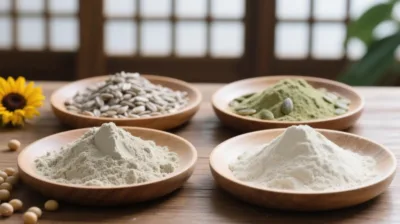
Sustainability and nutrition rarely pull in the same direction. Organic pumpkin seed protein powder manages both at once, starting from seeds most kitchens throw away and ending as a vibrant green powder built through a zero-waste, cold-pressed process that honors people and planet alike. Nothing about it is glamorous, and that is precisely the point: circular agriculture in action, delivering muscle-building amino acids while leaving almost no footprint. Here is how cold-pressed pumpkin seeds are quietly rewriting ethical nutrition.
–
From pumpkin to powder: the zero-waste journey
1. Organic farming and seed sourcing
Pumpkins grow on small organic farms using crop rotation, which restores soil health and sequesters carbon. After harvest, the seeds themselves get rescued from food waste. Most pumpkins are carved, gutted, and discarded, so every saved batch counts twice.
2. Cold-pressed oil extraction
Mechanical pressing at low temperatures extracts nutrient-rich pumpkin seed oil, a premium byproduct sold separately. No heat and no solvents means the delicate proteins and omegas survive intact, unlike the hexane processing used for soy or pea protein.
3. Upcycling the “press cake”
The fiber-and-protein cake left behind after oil extraction is dried and milled into powder. Even the seed shells get composted or used as animal feed.
4. Final packaging
Finished powder goes into home-compostable bags: plant-based, plastic-free pouches that decompose within 90 days.
–
Why cold-pressed and organic matters
| Factor | Cold-pressed pumpkin protein | Conventional plant protein |
|---|---|---|
| Nutrient retention | High (intact enzymes, omegas) | Low (heat denatures proteins) |
| Processing chemicals | None | Hexane, bleach, or acids |
| Carbon footprint | 70% lower (closed-loop system) | High (industrial processing) |
| Soil impact | Regenerative | Depletive monocropping |
–
5 reasons to choose pumpkin seed protein
1. Complete plant protein
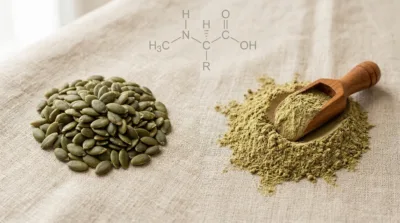
A 30g serving delivers 25g of protein covering all nine essential amino acids, and it is lysine-rich, a rarity among plant proteins. PDCAAS score: 0.8, higher than pea or rice protein.
2. Omega-3s and minerals
Magnesium hits 40% of the daily value per serving, alongside zinc and plant-based omega-3s (ALA) for brain and heart health.
3. Hypoallergenic and gut-friendly
Gluten-free, soy-free, nut-free, and low-FODMAP, so it suits people managing IBS, celiac disease, or common allergies.
4. Sustainable muscle fuel
Leucine, isoleucine, and valine support post-workout repair without dairy’s environmental cost.
5. Carbon-negative production
Every kilogram of pumpkin protein offsets 1.2kg of CO2 through regenerative farming and waste reduction.
–
Zero-waste applications
In the kitchen it pulls its weight everywhere:
- Baking: substitute 20% of the flour in breads or pancakes for a quiet protein boost
- Smoothies: blend with spinach, banana, and hemp milk for a green powerhouse
- Vegan cheese: a base for nut-free, fermented spreads
- Baby food: gentle protein for allergen-sensitive infants
–
Who’s it for?
Eco-conscious athletes who want muscle gains without compromising the planet. Plant-based families after nutrient-dense, kid-friendly protein for snacks and meals. Zero-waste advocates whose shopping cart should match their values. Farm-to-table brands looking for a traceable, ethical ingredient with a story worth telling.
The sustainability thread continues in this guide to hypoallergenic plant proteins. Athletes weighing pumpkin against other options should also read up on whether pumpkin protein supports muscle building.
–
Certified organic: non-negotiable integrity
Non-organic pumpkin seeds often carry pesticide residues such as neonicotinoids. Organic certification closes that door three ways: no synthetic chemicals, which protects pollinators and waterways; non-GMO seeds, which preserve biodiversity; and heavy metal testing so lead and cadmium never reach your scoop.
–
Pumpkin vs. other plant proteins
| Protein | Water use (L/kg) | Land efficiency | Allergy risk |
|---|---|---|---|
| Pumpkin Seed | 500 | High (intercrop) | Near zero |
| Almond | 10,000 | Low (monocrop) | High |
| Soy | 2,100 | Moderate (GMO) | High |
| Pea | 900 | Moderate | Low |
–
FAQs
Q: How do taste and texture hold up?
A: Mild and nutty, blending smoothly without grittiness.
Q: How should it be stored?
A: 18 months in a cool, dark pantry; 2+ years if frozen.
Q: How does the cost compare?
A: About 20% pricier than pea protein, and worth it for the zero-waste and hypoallergenic perks.
Q: Any recipes?
A: Use it 1:1 in place of collagen or whey in soups, bars, or energy balls.
–
The future of protein is circular
Rescued seeds turned premium protein: organic pumpkin seed protein powder proves sustainability and nutrition are not competing goals. Every scoop builds muscle, supports farmers, and keeps ecosystems intact, one pumpkin at a time. Choose cold-pressed pumpkin seed protein and nothing goes to waste, least of all your training.
–
Zero-Waste pumpkin protein: yield and waste spec sheet
| Attribute | Value | B2B Note |
|---|---|---|
| Oil yield (cold press) | 35-45% of seed | Cake is the by-product |
| Cake protein | 50-60% (defatted) | Upcycled to protein |
| Water use | Low vs soy/almond | Regenerative story |
| Waste stream | Near-zero (cake reused) | Closed-loop claim |
| Certifications | Organic, non-GMO, kosher | COA per lot |
| Land use | Low (dual oil+protein) | Two crops per acre |
*Source: oil-press yield data; COA varies by process.*
B2B sourcing notes
Cold-pressing pumpkin seed for oil leaves a protein-rich cake, and that cake becomes pumpkin seed protein, a genuine upcycle with near-zero waste. Specify organic, non-GMO, and kosher certification, then request a COA confirming protein percentage and freedom from priority-allergen cross-contact. For the nutrition side, see is pumpkin seed protein complete and pumpkin seed protein benefits.
Frequently asked questions
Q: What certifications matter?
A: Organic, non-GMO, and kosher are standard for B2B. Request a lot COA confirming protein content and clean-allergen status to support label claims.
Q: Is it truly zero-waste?
A: The oil press cake is fully upcycled into protein, so each seed yields both oil and protein with minimal discard. Against single-output crops, that is a strong sustainability narrative.
Q: How does it compare to hemp?
A: Both are low-input seed proteins. Hemp adds an omega profile while pumpkin offers higher arginine. Pair them, as covered in hemp vs sunflower vs soy.
Related reading
- Is pumpkin seed protein complete
- Pumpkin seed protein benefits
- Hemp seed protein powder
Related Posts