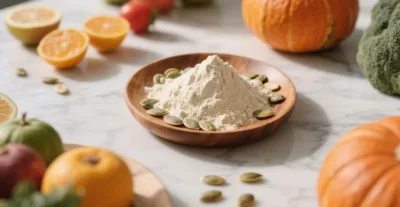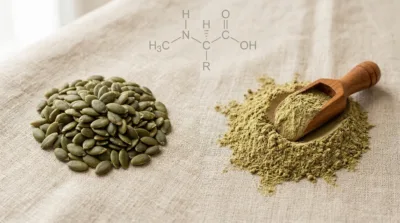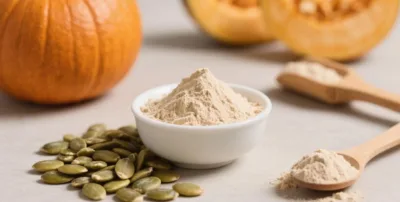
Pumpkin seed protein is a complete plant protein at 50-60%, free from the two allergens that most often stop formulators: soy and pea. This guide covers the verified data behind pumpkin seed protein for sports, plant-based and nutraceutical applications, how…
The internet is full of claims about pumpkin seed protein. Some are well-supported. Others are exaggerated or misleading. When the question is what are the real pumpkin seed protein benefits, the answer needs to come from verifiable data, not marketing language.
The USDA nutrient database, NIH research, and published clinical studies provide the basis for what follows. Where the data is strong, it is presented clearly. Where the evidence is thin, that is stated plainly. No hype, no inflated claims, just the verified facts.
HEMPLAND’s organic pumpkin seed protein is a cold-pressed product that retains the nutrient profile documented below.
Nutritional composition: USDA data
The USDA FoodData Central database (Entry FDC ID 12006 for pumpkin seed kernels, dried) provides the following nutritional data per 100 grams of pumpkin seed kernels:
| Nutrient | Amount per 100g | % Daily Value |
|---|---|---|
| Protein | 30.23 g | 60% |
| Fat | 49.05 g | 63% |
| Carbohydrate | 10.71 g | 4% |
| Fiber | 6.0 g | 21% |
| Calories | 574 kcal | |
| Zinc | 7.81 mg | 71% |
| Magnesium | 592 mg | 141% |
| Iron | 8.82 mg | 49% |
| Phosphorus | 1233 mg | 98% |
| Manganese | 4.54 mg | 197% |
| Copper | 1.39 mg | 154% |
| Potassium | 809 mg | 17% |
When pumpkin seeds are cold-pressed into protein powder, the fat content is significantly reduced (the oil is pressed out), and the protein concentration increases. A typical cold-pressed pumpkin seed protein powder contains approximately 55 to 65% protein by weight, with residual fat, fiber, and minerals retained from the original seed.
HEMPLAND’s organic pumpkin seed protein provides approximately 18 grams of protein per 30-gram serving, along with the mineral profile characteristic of pumpkin seeds.
Amino acid profile: complete or not?
The question of whether pumpkin seed protein is “complete”, containing adequate amounts of all nine essential amino acids, comes up frequently. The answer requires looking at the actual data.
USDA FoodData Central (Entry FDC ID 12006) lists the following essential amino acid content per 100 grams of pumpkin seed kernels:
| Amino Acid | Amount per 100g | mg per g of protein |
|---|---|---|
| Tryptophan | 0.576 g | 19.0 |
| Threonine | 1.018 g | 33.7 |
| Isoleucine | 1.281 g | 42.4 |
| Leucine | 2.129 g | 70.4 |
| Lysine | 1.236 g | 40.9 |
| Methionine | 0.570 g | 18.8 |
| Phenylalanine | 1.345 g | 44.5 |
| Valine | 1.570 g | 51.9 |
| Histidine | 0.730 g | 24.1 |
The World Health Organization (WHO) provides recommended amino acid scoring patterns for adults (per mg/g protein requirement): tryptophan 6, threonine 23, isoleucine 30, leucine 59, lysine 45, methionine plus cysteine 22, phenylalanine plus tyrosine 38, valine 39, histidine 15.
Comparing pumpkin seed protein to these WHO standards:
| Amino Acid | Pumpkin Seed (mg/g) | WHO Requirement | Meets Standard? |
|---|---|---|---|
| Tryptophan | 19.0 | 6 | Yes |
| Threonine | 33.7 | 23 | Yes |
| Isoleucine | 42.4 | 30 | Yes |
| Leucine | 70.4 | 59 | Yes |
| Lysine | 40.9 | 45 | Slightly below |
| Methionine + Cysteine | ~22 (methionine alone: 18.8) | 22 | Borderline |
| Phenylalanine + Tyrosine | 44.5 (Phe alone) | 38 | Yes |
| Valine | 51.9 | 39 | Yes |
| Histidine | 24.1 | 15 | Yes |
Pumpkin seed protein meets or exceeds the WHO adult requirements for seven of nine essential amino acids. Lysine is slightly below the WHO scoring pattern (40.9 vs 45 mg/g), and methionine plus cysteine is borderline. This means pumpkin seed protein is near-complete, a practical distinction that matters more in theory than in practice, since most people consume multiple protein sources throughout the day.
For a more detailed discussion of this topic, see the article on whether pumpkin seed protein is a complete protein powerhouse.
Mineral benefits: what the numbers show
The mineral content of pumpkin seeds is among the highest of any commonly consumed seed. Here is what the data supports:
Zinc: At 7.81 mg per 100g of kernels, pumpkin seeds are one of the richest plant sources of zinc. The NIH Office of Dietary Supplements identifies zinc as critical for immune function, wound healing, and DNA synthesis. Zinc deficiency affects an estimated 17% of the global population, per WHO data. A 30-gram serving of pumpkin seed protein powder retains a meaningful portion of this zinc content.
Magnesium: With 592 mg per 100g of kernels, pumpkin seeds are the highest-magnesium seed commonly available. The NIH notes that magnesium is involved in over 300 enzyme reactions, including energy production, muscle contraction, and nerve function. Approximately 48% of U.S. adults consume less than the estimated average requirement for magnesium, according to NHANES data. Pumpkin seed protein can contribute meaningfully to closing this gap.
Iron: At 8.82 mg per 100g, pumpkin seeds provide non-heme iron. While non-heme iron is less bioavailable than heme iron from animal sources, the absorption rate improves when consumed with vitamin C. This is a practical consideration for meal planning.
Phosphorus and manganese: Both are present in substantial quantities. Phosphorus supports bone health and energy metabolism. Manganese is a cofactor for enzymes involved in antioxidant defense and bone formation.
These mineral benefits are a genuine differentiator for pumpkin seed protein compared to more processed protein isolates (such as some soy or pea isolates) that lose mineral content during extraction.
Health research: what studies actually show
Several areas of health research involve pumpkin seeds. Here is what the published evidence supports, and where it falls short:
Prostate health
The most studied area of pumpkin seed health research is benign prostatic hyperplasia (BPH). A randomized, double-blind, placebo-controlled trial published in the Journal of Medicinal Food in 2014 found that pumpkin seed extract supplementation over 12 months improved International Prostate Symptom Score (IPSS) by 42.3% compared to 9.4% for placebo. A Cochrane review (updated 2021) assessed pumpkin seed preparations for lower urinary tract symptoms and found moderate-quality evidence of symptom improvement, though it noted heterogeneity across studies.
Important caveat: These studies used pumpkin seed extract or whole seeds, not isolated protein powder. Whether the same benefits apply to the protein fraction specifically has not been established.
Blood sugar regulation
A 2018 systematic review and meta-analysis in Critical Reviews in Food Science and Nutrition examined the effect of pumpkin seeds and pumpkin seed products on glycemic control. The review found that evidence from animal studies was promising, but human clinical trials were limited and heterogenous. The authors concluded that “further well-designed randomized controlled trials are needed”, a standard academic way of saying the evidence is preliminary.
Antioxidant properties
Pumpkin seeds contain vitamin E (alpha-tocopherol), carotenoids, and phenolic compounds. USDA data lists approximately 0.56 mg of vitamin E per 100g of dried pumpkin seed kernels. A 2015 study in Food Chemistry characterized the antioxidant activity of pumpkin seed protein hydrolysates, finding that enzymatically digested pumpkin seed proteins exhibited free radical scavenging activity in vitro. This is interesting laboratory research but has not been validated in human clinical trials.
Cardiovascular markers
Pumpkin seeds contain phytosterols (approximately 264 mg per 100g per USDA data). Phytosterols have an established cholesterol-lowering effect at sufficient doses, as recognized by the FDA’s authorized health claim for phytosterols and reduced risk of coronary heart disease. However, the phytosterol content in a typical serving of pumpkin seed protein powder is well below the 1.3 to 2.0 grams per day needed for the cholesterol-lowering effect documented in the FDA claim. The seeds are a source, not a therapeutic dose.
Pumpkin seed protein vs. other plant proteins: data comparison
Using USDA FoodData Central data, here is how pumpkin seed protein compares to other plant proteins per 100 grams of the whole seed or kernel:
| Metric | Pumpkin Seeds | Sunflower Seeds | Hemp Seeds | Chia Seeds |
|---|---|---|---|---|
| Protein (g) | 30.2 | 21.2 | 31.6 | 16.5 |
| Zinc (mg) | 7.81 | 5.29 | 9.98 | 3.33 |
| Magnesium (mg) | 592 | 325 | 700 | 392 |
| Iron (mg) | 8.82 | 6.81 | 7.95 | 7.16 |
| Omega-3 (mg) | ~50 | ~50 | ~10,000 | ~17,830 |
| Omega-6 (mg) | ~20,600 | ~23,100 | ~21,700 | ~5,785 |
Data sources: USDA FoodData Central entries for pumpkin seed kernels (FDC 12006), sunflower seed kernels (FDC 12036), hulled hemp seed (FDC 170148), and dried chia seeds (FDC 170554).
Key observations from this comparison:
- Pumpkin seeds have the highest magnesium content among these options
- Hemp seeds and chia seeds are far superior sources of omega-3 fatty acids
- Hemp seeds have slightly more protein and significantly more zinc per 100g
- Sunflower seeds have the lowest protein density of the group
This data supports using pumpkin seed protein primarily for its protein, magnesium, and zinc content, while complementing it with hemp or chia for omega-3 fatty acids. The article on organic sunflower seed protein nutrition provides a similar data-driven analysis for sunflower protein.
Digestibility and bioavailability
Protein quality is not just about amino acid content, it is about how much of that protein the body can actually use. The Protein Digestibility Corrected Amino Acid Score (PDCAAS) and the Digestible Indispensable Amino Acid Score (DIAAS) are the two primary metrics.
PDCAAS for pumpkin seed protein has been reported in the range of 0.70 to 0.85 in various studies, compared to 1.00 for whey and casein, approximately 0.91 for soy, and approximately 0.82 to 0.89 for pea protein. DIAAS data for pumpkin seed protein specifically is limited, as most DIAAS research has focused on more common protein sources.
What this means practically: pumpkin seed protein has good but not exceptional digestibility. Consuming it in the context of a varied diet, rather than as the sole protein source, minimizes any digestibility limitations.
Processing method affects digestibility. Cold-pressed pumpkin seed protein, like HEMPLAND’s organic pumpkin seed protein, may have slightly different digestibility characteristics than solvent-extracted isolates due to the presence of fiber and residual fat that slow gastric emptying. This is not inherently negative, slower digestion can mean more sustained amino acid availability, which is beneficial between meals.
Fiber content: an overlooked benefit
Unlike highly refined protein isolates, cold-pressed pumpkin seed protein retains dietary fiber. The USDA lists 6 grams of fiber per 100 grams of pumpkin seed kernels. In the protein powder form, where fat has been partially removed, the fiber concentration increases proportionally.
Dietary fiber supports gut health, satiety, and blood sugar regulation. The NIH notes that most Americans consume only 15 grams of fiber per day, well below the recommended 25 to 38 grams. A protein powder that contributes fiber alongside protein offers a functional advantage over fiber-free isolates.
What pumpkin seed protein cannot do: honest limitations
Credibility requires acknowledging limitations:
- It is not a significant source of omega-3 fatty acids. If omega-3s are needed, hemp seeds, chia seeds, flaxseed, or fish oil are far better options.
- It is not a therapeutic treatment for any medical condition. The research on prostate health, blood sugar, and cardiovascular markers is promising but preliminary, and most studies used whole seeds or extracts, not protein powder.
- It is not the highest-protein plant source available. Soy protein isolate (90% protein) and pea protein isolate (80% protein) offer higher protein density per gram. Pumpkin seed protein’s advantage is its mineral and fiber content, not its protein concentration.
- It is not suitable as a sole protein source for extended periods. The slightly low lysine content means it should be part of a varied protein intake.
- It is not calorie-free. At approximately 300 to 350 calories per 100 grams of protein powder (due to residual fat and carbohydrate), it is more calorie-dense than pure isolates.
For a complete picture of potential contraindications, see the article on who should avoid pumpkin protein powder.
Practical takeaways: what this data means for consumers
Based on the verified data presented above, the genuine benefits of pumpkin seed protein are:
- High-quality protein with a near-complete amino acid profile, meeting WHO adult scoring patterns for 7 of 9 essential amino acids
- Exceptional mineral content, particularly magnesium and zinc, which are commonly under-consumed
- Allergen-friendly, free from all nine major allergens, as discussed in the sensitive diet guide
- Fiber retention, unlike highly refined isolates, cold-pressed pumpkin protein retains dietary fiber
- Clean processing, cold-pressed methods avoid chemical solvents, as explained in the article on sustainable zero-waste protein from cold-pressed pumpkin seeds
- Culinary versatility, mild flavor works in both sweet and savory applications
These are real, verifiable benefits. They are not miraculous, but they are meaningful, and they stand up to scrutiny.
Conclusion
Pumpkin seed protein benefits are real but bounded. The USDA data confirms a strong mineral profile, particularly for magnesium and zinc. The amino acid profile is near-complete, with a slight lysine gap that is easily addressed through dietary variety. Health research on prostate function and antioxidant activity shows promise, but the evidence base for pumpkin protein powder specifically (as opposed to whole seeds or extracts) remains limited.
HEMPLAND’s organic pumpkin seed protein offers these verified benefits in a cold-pressed, certified organic format. The best reason to choose it is not hype, it is the combination of solid nutrition, allergen safety, and honest processing that the data actually supports.
For detailed product specifications, nutritional certificates of analysis, and bulk pricing, contact us.
Pumpkin seed protein: verified-nutrient spec sheet
| Attribute | Value | B2B Note |
|---|---|---|
| Protein content | 60 to 70% (defatted) | Higher than hemp flour |
| Arginine | ~10 to 12% of protein | Circulation/performance angle |
| Tryptophan | High vs other seeds | Mood/sleep positioning |
| Lysine | Moderate-high | Rare among plant proteins |
| Magnesium | ~590 mg / 100g seed | Mineral fortification |
| Zinc | ~7 to 10 mg / 100g seed | Zinc content positioning |
| Allergen | Rare (non-major) | Clean-label friendly |
Source: USDA FoodData Central; COA varies by grade.
B2B use cases
Pumpkin seed protein’s high arginine and rare-allergen status suit sports, performance, and male-health SKUs, plus plant-based bars and beverages at 5 to 15% inclusion. It complements hemp’s omega profile for a seed-protein duo. For completeness context see is pumpkin seed protein complete and hemp vs sunflower vs soy.
Frequently asked questions
Is pumpkin seed protein a complete protein? It contains all nine essential amino acids and is unusually high in lysine for a plant protein, though methionine/cystine are limiting. A hemp or grain blend lifts the score. Details in is pumpkin seed protein complete.
Best formulation fit? Performance powders, bars, and dairy alternatives at 5 to 15%. Its green color and neutral-mild taste blend well with cocoa or vanilla systems.
Sustainability upside? It upcycles oil-press cake, cutting waste, the same logic behind zero-waste pumpkin protein sourcing.
Related reading
Recommended Products

Organic Sunflower Seed Kernels
Premium, hulled kernels from organically grown sunflowers, offering a deliciously mild, nutty flavor and…
Related Posts