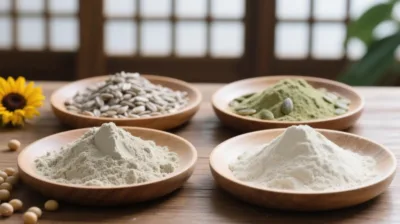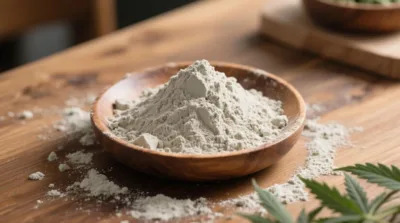
Organic sunflower seed protein has been gaining quiet traction among food formulators, even if it gets less attention than soy or pea. It is nutrient-dense and produced with a relatively low environmental cost, and it avoids the common allergens that limit other protein sources. Here is why it deserves a place in more pantries and product lines.
Why choose organic sunflower seed protein?
Made from cold-pressed sunflower seeds, the protein is 100% plant-based, gluten-free, and non-GMO. Unlike soy or whey, it sits easily with most digestive systems, which makes it a fit for vegans, athletes, or anyone after clean nutrition.
Top health benefits of sunflower seed protein
Complete amino acid profile. Sunflower seed protein contains all 9 essential amino acids, which is rare for a plant protein. It is especially rich in methionine and cysteine, which support detoxification and muscle repair.
Source of omega-3 ALA. Its high arginine content promotes nitric oxide production, helping relax blood vessels, improve circulation, and lower blood pressure.
Source of dietary fibre. Naturally free of anti-nutrients like phytates (common in legumes), it digests easily and supports gut health. The fiber content, about 5g per serving, also helps keep things regular.
Antioxidant support. Loaded with vitamin E and selenium, it counters oxidative stress, protects skin from UV damage, and strengthens immunity.
Muscle growth and recovery. At roughly 20g of protein per 30g serving, it fuels muscle synthesis, and its branched-chain amino acids (BCAAs) ease post-workout soreness.
Weight management. The protein and fiber together keep you full longer, which curbs cravings and steadies blood sugar.
Sunflower seed protein vs. other plant proteins
| Feature | Sunflower seed protein | Pea protein | Soy protein |
|---|---|---|---|
| Complete amino acids | Yes | No (low in methionine) | Yes |
| Allergen risk | Low | Low | High (common allergen) |
| Digestibility | High | Moderate | Moderate |
| Sustainability | Requires minimal water | Moderate | High pesticide use |
| Taste/texture | Nutty, smooth | Earthy, gritty | Beany, chalky |
How to incorporate it into your diet
- Smoothies: blend with almond milk, banana, and spinach
- Baking: add to pancakes, energy bars, or protein muffins
- Soups and sauces: stir into creamy vegan soups or salad dressings
- Post-workout shake: combine with chia seeds and berries
Nutritional snapshot (per 30g serving)
| Nutrient | Amount | % Daily value |
|---|---|---|
| Protein | 20g | 40% |
| Fiber | 5g | 18% |
| Iron | 4.2mg | 23% |
| Vitamin E | 7.5mg | 50% |
| Magnesium | 90mg | 21% |
For the best results, pair sunflower seed protein with vitamin C rich foods such as citrus or bell peppers to improve iron absorption.
The organic edge
Certified organic sunflower seed protein guarantees no synthetic pesticides, non-GMO seeds, and eco-friendly farming practices.
Related Posts