Why bake with hemp flour
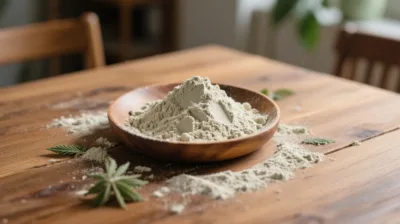
Hemp flour is made by grinding the press cake that remains after hemp seeds are cold-pressed for oil. The resulting powder is finely milled, pale green to brown depending on the pressing conditions, and carries a mild nutty, earthy flavor. It is naturally gluten-free and contains no wheat, rye, or barley.
For home bakers and food manufacturers, hemp flour offers a combination that is hard to find in a single ingredient: high protein (roughly 30 to 35 percent by weight), high fiber (about 40 percent), and a mineral profile that exceeds most grain flours. It is not a one-for-one substitute for wheat flour, no gluten-free flour is, but with the right approach it adds nutrition and flavor to a range of baked goods.
This guide covers what hemp flour is, how it compares to wheat flour, substitution ratios, recipe ideas, and tips for getting the texture right. It is written for home bakers who want to try a different gluten-free flour and for product developers considering hemp flour as an ingredient in commercial baked goods.
What is organic hemp flour and how is it made
Unlike many gluten-free flours that are simply ground whole grains or nuts, hemp flour is a by-product of oil pressing. Here is the production process:
- Cold pressing: Whole or hulled hemp seeds are mechanically pressed at low temperature (typically below 40°C or 104°F) to extract the oil. The oil is collected and the solid residue, called press cake, remains.
- Milling: The press cake is ground to a fine powder, typically passing through a 500-micron or finer screen. Finer grinds (below 300 microns) produce a smoother texture in baked goods; coarser grinds add more graininess.
- Sifting: Some producers sift the flour to remove any large particles or hull fragments that survived pressing. This step affects the color and texture of the final product.
- Testing and packing: As with other food-grade hemp products, the flour is tested for microbial load, heavy metals, and THC content before being packed. Organic certification covers the seed source and the processing facility.
Because the oil has been partially removed, hemp flour has roughly one-third the fat content of whole hemp seeds. The remaining fat (usually 8 to 12 percent) is enough to add tenderness to baked goods but not so much that it becomes greasy. The protein and fiber from the press cake are concentrated during pressing, which is what gives hemp flour its unusually high protein content for a flour ingredient.
HEMPLAND’s organic hemp flour is cold-pressed from organic hemp seeds and finely milled to a consistent particle size suitable for baking.
Nutrition: why hemp flour stands out
Hemp flour has a nutritional density that wheat flour, whole grain or refined, cannot match in several categories. Per 100 grams of organic hemp flour, based on published nutritional analyses:
| Nutrient | Hemp Flour | Whole Wheat Flour | All-Purpose Flour |
|---|---|---|---|
| Protein | 30 to 35 g | 13 g | 10 g |
| Dietary Fiber | 37 to 42 g | 11 g | 3 g |
| Total Fat | 8 to 12 g | 2.5 g | 1 g |
| Carbohydrates | 8 to 15 g | 72 g | 76 g |
| Iron | 8 to 12 mg | 3.6 mg | 1.2 mg |
| Magnesium | 400 to 500 mg | 137 mg | 22 mg |
| Zinc | 7 to 9 mg | 2.9 mg | 0.7 mg |
| Potassium | 900 to 1,200 mg | 363 mg | 107 mg |
The protein content of hemp flour is roughly two and a half times that of whole wheat flour and more than three times that of refined white flour. The fiber content is approximately four times that of whole wheat. These numbers explain why even a small addition of hemp flour to a recipe, 20 to 30 percent of total flour weight, produces a meaningful nutritional improvement.
The protein is also notable for its amino acid profile. As with whole hemp seeds, the protein contains all nine amino acids the body must obtain from food. The edestin protein fraction, which makes up the majority of hemp’s protein, is considered highly digestible. The globulin fraction is similar in structure to proteins found in human blood plasma, which contributes to its digestibility.
Substitute ratios: how much hemp flour to use
Hemp flour does not contain gluten, so it cannot form the elastic protein network that traps gas and gives wheat bread its rise and chew. For this reason it is almost never used as a 100 percent replacement for wheat flour in recipes that depend on gluten structure, breads, pizza dough, and most cakes.
The practical substitution ratios are:
15 to 25 percent hemp flour plus 75 to 85 percent wheat flour: This is the safe starting point for yeasted breads, pizza dough, and enriched doughs. At 20 percent replacement, the dough still rises well, the crumb is slightly denser but not leaden, and the flavor picks up a pleasant nuttiness. This ratio works in commercial bread production with minimal process adjustments.
30 to 50 percent hemp flour plus 50 to 70 percent gluten-free flour blend: For gluten-free recipes (muffins, pancakes, quick breads, cookies, crackers), you can use more hemp flour because you are not relying on gluten for structure anyway. Combine hemp flour with a gluten-free all-purpose blend that already contains binding agents like xanthan gum.
100 percent hemp flour: Works only in recipes where the structure comes from eggs, nut butter, or other binders, think flourless chocolate cake, dense energy bars, or certain crackers. A 100 percent hemp flour cookie or muffin will be dense, crumbly, and intensely flavored; some palates will find it too strong.
Adjusting liquid
Hemp flour absorbs more liquid than wheat flour because of its fiber content. As a rule of thumb, add approximately 1 to 2 tablespoons of extra liquid (water, milk, or egg) for every 50 grams of hemp flour substituted. Watch the dough consistency and adjust. A dough that looks dry at the mixing stage will produce a dry baked product.
If the recipe already includes moist ingredients, mashed banana, grated zucchini, pumpkin puree, applesauce, you may not need additional liquid because those ingredients compensate for the higher absorption.
Baking with hemp flour: texture and flavor tips
Baking with a high-fiber, high-protein flour requires some technique adjustments that experienced gluten-free bakers will find familiar.
Color: Hemp flour is not white. It ranges from pale green (cold-pressed at low temperature) to tan-brown (warmer pressing or slightly older flour). This color carries into the finished baked good. Chocolate recipes hide the color; vanilla and lemon recipes do not. If you want the color to be subtle, use hemp flour at 15 to 20 percent and choose recipes with brown sugar, molasses, or cocoa.
Flavor: The taste is nutty and earthy. It pairs well with chocolate, banana, carrot, pumpkin, cinnamon, maple, honey, and brown sugar. It can clash with delicate flavors like plain vanilla or lemon unless used sparingly. Taste the flour raw before baking; if it tastes bitter, the oil fraction has started to oxidize and the flour should not be used.
Crumb: Expect a tighter, denser crumb than all-wheat versions. This is not a baking failure; it is the result of high protein and fiber without gluten. If you want a more open crumb in a 100 percent gluten-free bake, combine hemp flour with a larger share of starch-based flour (tapioca, potato, corn) and add an egg white or two.
Browning: Hemp flour contains protein and residual sugars that brown quickly. Reduce oven temperature by 10°C (25°F) from what the recipe specifies when using more than 25 percent hemp flour, and check for doneness a few minutes before the stated time.
Moisture retention: The fiber in hemp flour holds water, which helps baked goods stay moist longer than all-wheat versions. This is an advantage for commercial products where shelf-life perception matters.
Recipes: 5 baking ideas with hemp flour
These are tested formula suggestions, not exact recipes. Adjust based on your specific flour brand, oven, and taste preferences.
Hemp flour banana muffins
Replace 30 percent of the flour in a standard banana muffin recipe with hemp flour. The banana provides enough moisture and binding to support the substitution. Add an extra egg yolk if the batter looks thick. The result is a deeply golden muffin with visible green specks, a tender crumb, and roughly 7 to 8 grams of protein per muffin (compared to 3 to 4 grams in a standard version).
Suggested additions: chopped walnuts, dark chocolate chips, or a teaspoon of cinnamon.
Hemp flour protein pancakes
Combine 50g hemp flour, 50g oat flour, 1 teaspoon baking powder, a pinch of salt, 1 egg, and enough milk (dairy or plant-based) to reach pancake batter consistency, roughly 120ml. Let the batter rest for 5 minutes so the hemp flour absorbs the liquid. Cook on a medium griddle; these pancakes will be darker than standard pancakes but should still bubble and flip cleanly.
Each serving (the full batch) provides approximately 25 grams of protein before any toppings.
Hemp flour crackers
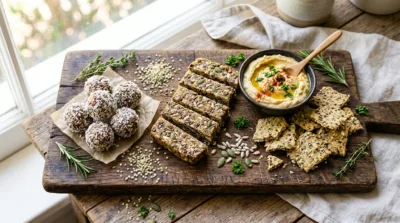
Mix 100g hemp flour, 50g all-purpose or gluten-free flour blend, 2 tablespoons olive oil, a pinch of salt, and water, just enough to form a rollable dough (roughly 3 to 4 tablespoons). Roll thin directly on parchment, score into squares, and bake at 160°C (320°F) for 12 to 15 minutes. The crackers will be crisp, nutty, and deep green. They pair well with hummus, cheese, or seed butter.
Hemp flour chocolate brownies
Replace 30 to 40 percent of the flour in a brownie recipe with hemp flour. The chocolate masks the color and complements the nutty flavor. Because brownies rely on eggs and sugar for structure rather than gluten, this substitution is more forgiving than in cakes. The fiber in the hemp flour contributes to the fudgy texture that brownie fans prefer.
Hemp flour flatbread
Combine 75g hemp flour, 125g whole wheat flour, a pinch of salt, 1 tablespoon oil, and roughly 120ml warm water. Knead into a smooth dough, rest for 20 minutes, divide into 6 pieces, and roll into thin rounds. Cook on a dry cast-iron pan over medium-high heat until spotted and puffed. The flatbread has a speckled green-brown appearance and a hearty flavor that works with curries, dips, or as a wrap.
Gluten-free baking with hemp flour
For gluten-free bakers, hemp flour serves a particular role: it adds protein and structure to blends that are otherwise mostly starch. Most gluten-free flour blends combine a starch base (white rice flour, tapioca starch, potato starch) with a protein-rich flour (brown rice, sorghum, almond). Hemp flour fits into the protein-rich slot but with higher protein density than almond or sorghum flour.
A useful all-purpose hemp-based gluten-free blend:
- 100g hemp flour
- 200g white rice flour (or sorghum flour)
- 100g tapioca starch
- 50g potato starch
- 1 teaspoon xanthan gum
This blend yields a flour with approximately 10 grams of protein per 100 grams, roughly equal to all-purpose wheat flour but without the gluten. It works in muffins, quick breads, cookies, and pancakes. It is too heavy for cakes that need a light crumb.
For gluten-free bread, keep hemp flour at 15 to 20 percent or less. The protein in hemp flour competes with whatever binding agents (xanthan gum, psyllium husk, eggs) you are using, and too much can produce a gummy, under-risen loaf.
B2B applications: hemp flour in commercial baking
Hemp flour is finding its way into commercial product lines as brands respond to consumer demand for plant-based protein and alternative flours. From a product development perspective, here is where hemp flour has been most successfully applied.
High-protein bread: Several European and North American bakeries have launched sliced bread containing 5 to 10 percent hemp flour by total formula weight. The bread carries a high protein or high fiber claim that is supportable by the nutritional data. The hemp flour percentage is kept low enough that dough handling on automated lines is not affected.
Protein bars: In cold-pressed and baked bars, hemp flour contributes protein, fiber, and a binder effect. The flour’s water-holding capacity helps hold the bar together without adding sugar-based syrups. Several vegan bar brands use hemp flour as a secondary protein source alongside pea or soy protein isolate.
Crackers and crispbreads: The crisp, nutty character of hemp flour suits cracker formats. Crackers with visible green specs from hemp flour communicate plant-based and alternative grain at a glance. The high fiber content keeps crackers crisp by managing moisture.
Baking mixes: Pancake, muffin, and bread mixes that include hemp flour as 20 to 30 percent of the dry blend can carry protein and fiber claims on the front of the package. The consumer adds wet ingredients (egg, oil, milk) and bakes as usual.
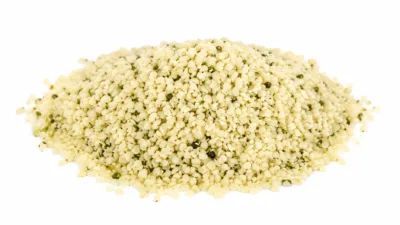
Gluten-free product lines: A gluten-free bread or muffin that includes hemp flour can differentiate from competitors whose products rely solely on rice flour and starches, which are nutritionally sparse. The hemp flour brings protein, fiber, and minerals to a category that is often criticized for low nutritional value. Organic hemp hearts pair naturally with hemp flour in these formulations.
HEMPLAND’s organic hemp flour is available in bulk quantities with specification sheets, organic certification, and batch-specific testing data for B2B buyers.
Storage and shelf life for hemp flour
Hemp flour is more perishable than wheat flour because the residual oil (8 to 12 percent) can oxidize. Proper storage is necessary.
Unopened: 9 to 12 months from milling date when stored in a sealed package at or below 15°C (59°F) and away from light. Nitrogen-flushed packaging extends this.
Opened: Transfer to an airtight container and refrigerate. Use within 2 to 3 months. The flour should smell nutty and earthy, not sour or old oil. If the color has shifted significantly toward brown and the smell is off, the flour is rancid and should not be used.
Freezing: Hemp flour freezes well. Portion into freezer bags with the air squeezed out. Frozen hemp flour keeps for up to 12 months and can be used directly from frozen, just measure and add to the mixing bowl.
For food manufacturers, the same considerations apply at scale. Bulk hemp flour should be stored in a cool warehouse (below 15°C), used within a defined rotation period, and checked for rancidity markers (peroxide value, free fatty acids) before use. Include peroxide value testing in your received-goods quality checks for this ingredient.
Hemp flour vs other gluten-free flours
Hemp flour occupies a specific position in the range of gluten-free flours. It is not a direct competitor to almond flour, coconut flour, or oat flour, each serves a different purpose, but knowing the differences helps choose the right flour for the right job.
Hemp flour vs almond flour: Almond flour has higher fat (50 percent or more versus hemp’s 8 to 12 percent) and lower protein (21 percent versus 30 to 35 percent). Almond flour produces tender, moist baked goods; hemp flour produces drier, denser results with more structure. Almond flour costs more per kilogram but has a neutral flavor that works in a wider range of recipes. For a full comparison, see Hemp Flour vs Coconut Flour vs Almond Flour.
Hemp flour vs coconut flour: Coconut flour absorbs roughly four times its weight in liquid. Hemp flour absorbs more than wheat but far less than coconut. Coconut flour is lower in protein (18 to 20 percent) and much higher in fiber. The two can be used together, coconut flour for moisture management, hemp flour for protein and color.
Hemp flour vs oat flour: Oat flour has a mild, familiar taste and contains some soluble fiber (beta-glucan) that improves texture. Hemp flour has more protein and insoluble fiber. Combining the two, for example in granola bars, pancakes, or muffins, gives a good balance of taste familiarity and nutritional density.
For additional context on hemp-based nutrition, see Top 10 Health Benefits of Organic Hemp Hearts and What Are Hemp Hearts?.
Common mistakes when baking with hemp flour
Even experienced bakers can run into problems if they treat hemp flour like wheat flour. Here are the most frequent issues and how to avoid them.
Using too much: The number one mistake is treating hemp flour as a direct flour replacement at 100 percent. The result will be dense, dry, and strongly flavored. Start at 15 to 25 percent and work up.
Not adjusting liquid: Hemp flour absorbs more liquid. If the batter or dough looks thicker than usual after adding hemp flour, add liquid a tablespoon at a time until the consistency matches what you expect from the original recipe.
Not reducing oven temperature: The high protein content promotes faster browning. Reduce temperature by about 10°C (25°F) and check doneness early.
Expecting wheat-like rise: Hemp flour has no gluten. Even when combined with wheat flour, the more hemp flour you use, the less rise you get. Plan for a shorter, denser result and design recipes where that texture is acceptable.
Not tasting the flour before use: Rancid hemp flour will ruin whatever you bake. Always smell and taste the flour first; it should be nutty, not bitter.
Conclusion
Hemp flour is a useful ingredient for bakers who want to add protein, fiber, and minerals to their recipes without using protein powders or fiber supplements. It is not a wheat flour replacement, nothing with that much protein and no gluten can be, but at 15 to 30 percent of total flour weight it improves the nutritional profile of bread, muffins, pancakes, crackers, and bars while contributing a nutty flavor that works in both sweet and savory applications.
For food manufacturers, hemp flour offers a way to add plant protein and high fiber claims to products without relying on ingredient lists full of isolates and extracts. The flour’s clean-label simplicity, it is just ground hemp seed press cake, aligns with consumer preferences for recognizable ingredients.
HEMPLAND supplies organic hemp flour in retail and bulk quantities with full documentation. See organic hemp flour for product information. Contact Us to request a specification sheet, discuss bulk pricing, or arrange samples for product testing.
Recommended Products
Organic Hemp Hearts
Premium organic hulled hemp seeds (shelled hemp hearts) — 33% complete plant protein, perfect…

Organic Hemp Seeds
Organic hemp seeds offer complete nutrition with optimal protein, fatty acids, and fiber content.…
Related Posts