Pumpkin Protein vs Pea Protein vs Hemp Protein: Which Plant Protein Wins?

Plant-based protein supplements have transformed the fitness and nutrition landscape over the past decade. Among the most frequently discussed options are pumpkin seed protein, pea protein, and hemp protein. Each brings a unique nutritional profile, flavor profile, and set of benefits to the table — yet choosing between them can feel overwhelming for consumers who are new to plant-based supplementation.

This article cuts through the noise and delivers a clear, practical comparison of these three popular protein sources. By the end, you will have a solid understanding of what each protein offers, where it falls short, and which one best fits your lifestyle and health goals.

Overview of Each Protein Source

Pumpkin Seed Protein

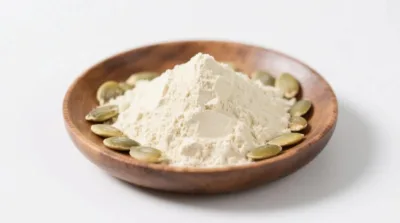
Pumpkin seed protein is typically produced as a byproduct of cold-pressing pumpkin seed oil. The remaining seed meal is processed into a fine powder, yielding a protein content of approximately 50–70% by weight. HEMPLAND organic pumpkin seed protein captures the minerals naturally present in pumpkin seeds, including zinc and magnesium, making it more than just a protein source. The flavor is mild and slightly nutty, which blends well into smoothies and baked goods without dominating the taste.

Pea Protein

Pea protein is extracted from yellow split peas through a process of wet milling and protein isolation. It has become one of the most affordable plant protein options on the market and is widely available as a concentrated powder. Pea protein is particularly notable for its high lysine content — an amino acid that is relatively scarce in other plant proteins. The flavor leans earthy and beany, which most consumers mask with fruit, cocoa, or vanilla when blending.

Hemp Protein

Hemp protein is derived from the pressed hemp seed meal that remains after hemp seed oil extraction. It retains much of the fiber and fatty acid content of whole hemp seeds, including the prized omega-3 and omega-6 fatty acids in an approximately 3:1 ratio. HEMPLAND organic hemp protein powder offers a holistic nutritional profile that goes beyond pure protein, delivering fiber, iron, magnesium, and essential fatty acids in a single serving. The earthy, nutty taste is more pronounced than pumpkin seed protein, but it blends smoothly into green smoothies, oatmeal, and protein bars.

Amino Acid Profiles

Understanding amino acid composition is essential for anyone building a balanced protein intake strategy.

Pumpkin Seed Protein performs well in sulfur-containing amino acids such as methionine and cysteine, which support liver function and antioxidant production within the body. However, it is relatively lower in lysine, meaning it does not complement grains as effectively as pea protein does.

Pea Protein excels in lysine, making it an excellent complement to grain-based diets that are naturally low in this amino acid. Its lysine content is one of the main reasons pea protein remains a staple in vegetarian and vegan bodybuilding communities. The tradeoff is a lower methionine content compared to pumpkin and hemp proteins.

Hemp Protein offers a well-balanced amino acid profile that includes all nine essential amino acids. While the quantities of each are moderate rather than exceptional, hemp protein is considered one of the more complete plant protein options available. For individuals who are not engaging in high-intensity competitive athletics, hemp protein provides a reliable daily protein source without the need for careful combining of different protein types.

For high-performance athletes seeking to maximize muscle protein synthesis, none of these three proteins independently matches whey protein’s leucine density. However, all three are meaningful contributors to overall daily protein intake and can be strategically combined to address amino acid gaps.

Digestibility and Absorption

Digestibility matters because a protein that is difficult to absorb delivers fewer benefits than its raw nutritional label suggests.

Plant proteins generally score lower on the PDCAAS (Protein Digestibility-Corrected Amino Acid Score) than animal proteins, with scores ranging from approximately 0.45 to 0.70. Within this category, however, there are meaningful differences.

Hemp protein demonstrates relatively strong digestibility for a plant protein — particularly the hulled varieties that have been processed to remove some of the fibrous outer shell. The remaining fiber actually supports gut health, which can indirectly improve nutrient absorption over time.

Pea protein is generally well-absorbed and tolerated, though some individuals report a gritty texture that can feel heavy in the stomach. Isolated pea protein undergoes processing that removes much of the fiber, improving its solubility and digestive comfort.

Pumpkin seed protein has moderate digestibility. The fiber content is higher than pea protein isolate, which can slow absorption and may cause bloating in sensitive individuals during the initial period of use.

Nutritional Additions — What Else Are You Getting?

One of the strongest arguments for choosing whole-food plant proteins over isolates is the additional micronutrients that come along for free.

Pumpkin seed protein delivers meaningful amounts of zinc — a mineral that supports immune function, testosterone metabolism, and prostate health — alongside magnesium for muscle relaxation and bone health, and iron for oxygen transport in the blood.

Pea protein contributes dietary fiber, B vitamins (particularly folate and thiamine), and is exceptionally low in fat, making it suitable for consumers watching their fat intake. It is also naturally cholesterol-free and gluten-free.

Hemp protein stands out among the three for its fatty acid profile. The omega-3 alpha-linolenic acid (ALA) and omega-6 linoleic acid in hemp seed protein are present in a ratio that nutritionists consider close to ideal for human health. HEMPLAND organic hemp protein also provides magnesium, iron, and fiber, making it the most nutritionally multifaceted of the three options.

Taste and Texture

Taste is a practical consideration that affects long-term adherence to any supplement regimen.

Pumpkin seed protein has a mild, slightly sweet flavor with a clean finish. Its texture is relatively smooth when mixed with liquid, making it one of the more versatile options for recipes. It works well in pancakes, energy balls, and morning smoothies.

Pea protein has the most distinctive flavor — earthy and beany, which some consumers enjoy and others find challenging. The texture can be slightly gritty, though high-quality isolates have improved significantly. Blending pea protein with frozen fruit, cocoa, or vanilla extract typically resolves most flavor objections.

Hemp protein carries a nutty, earthy flavor that is stronger than pumpkin seed protein but generally considered pleasant rather than challenging. The texture is slightly coarser due to the retained fiber content, which some consumers appreciate for giving smoothies more body. Mixing hemp protein into blended drinks with strong flavors — such as berry smoothies or chocolate protein shakes — is the most effective way to incorporate it daily.

Allergen Profile

Safety and allergenicity are important considerations for anyone with food sensitivities.

Pea protein is one of the most hypoallergenic protein sources available. It is not part of the top eight major food allergens (which include peanuts, tree nuts, soy, milk, eggs, fish, shellfish, and wheat). Cross-reactivity with legumes is possible but relatively uncommon.

Pumpkin seed protein carries a low allergy risk. Seed allergies exist but are considerably less prevalent than nut or soy allergies. Consumers with known seed sensitivities should introduce pumpkin seed protein cautiously.

Hemp protein has an excellent allergen profile for most people. It does not contain any of the major food allergens and is generally well-tolerated by individuals with soy, dairy, or gluten sensitivities. Because hemp is not related to peanuts or tree nuts, it is considered safe for most nut-free protocols as well.

Best Uses for Each

Each protein source has a use case where it performs best.

Pumpkin seed protein is an excellent choice for post-workout recovery when combined with a carbohydrate source, thanks to its zinc and magnesium content supporting muscle repair. Its mild flavor also makes it suitable for all-day use in foods such as protein bars, baked goods, and overnight oats.

Pea protein shines in cost-sensitive situations and in recipes where its strong lysine content is desired. It is also the preferred choice for consumers following low-fat diets, as it delivers high protein with minimal fat per serving.

Hemp protein is best suited for consumers seeking holistic nutrition rather than maximum protein density. The combination of protein, fiber, and omega fatty acids makes HEMPLAND organic hemp protein particularly valuable for gut health, skin health, and overall inflammatory balance. Athletes who struggle with digestive discomfort from whey or soy may also find hemp protein easier to tolerate.

Sustainability and Environmental Impact

For many consumers, the environmental footprint of their protein source is an increasingly important factor in the purchasing decision.

Pumpkin seed protein has a moderate environmental footprint. Pumpkins are relatively efficient crops that can be grown in diverse climates, and the protein is produced from the seed meal that remains after oil pressing — meaning it utilizes a byproduct that would otherwise go to waste. This byproduct approach reduces the overall resource demand per unit of protein. However, pumpkin farming in some regions still relies on significant water and pesticide inputs, making organic certification an important consideration.

Pea protein is widely regarded as one of the most environmentally efficient protein sources available. Peas require less water than most grain and nut crops, fix nitrogen in the soil naturally (reducing the need for synthetic fertilizers), and produce a high protein yield per hectare. The environmental case for pea protein is strong — it consistently ranks among the lowest-impact protein sources in lifecycle assessment studies, outperforming both animal proteins and many other plant proteins in water use, land use, and greenhouse gas emissions per gram of protein produced.

Hemp protein also scores well on sustainability metrics. Hemp is a fast-growing, drought-resistant crop that improves soil health through deep root systems and nitrogen cycling. It requires minimal pesticide input, produces high biomass per acre, and the protein extraction process uses the seed meal leftover from oil pressing — the same efficient byproduct model as pumpkin seed protein. HEMPLAND sources organic hemp from farms in Shaanxi, China, where the plant has been cultivated for centuries using traditional low-impact methods.

All three protein sources compare favorably to animal-based proteins on environmental metrics. Among the three, pea protein generally has the smallest footprint per gram of protein, while hemp and pumpkin offer the additional advantage of utilizing oil-pressing byproducts that would otherwise be discarded.

Price and Availability

Cost is a practical factor that directly affects whether a consumer can maintain a supplement routine over months and years.

Pea protein is the most budget-friendly of the three. Its large-scale production, established supply chains, and relatively simple extraction process keep prices low. Most pea protein isolates are available at roughly 20 to 40 percent less per gram of protein than comparable hemp or pumpkin products. This affordability makes pea protein the default choice for cost-conscious consumers who need a straightforward protein supplement without premium nutritional extras.

Pumpkin seed protein falls in the middle range. Production volumes are smaller than pea protein, and the cold-press extraction method is more involved, which adds cost. However, the mineral density and mild flavor justify the premium for consumers who value those qualities. HEMPLAND organic pumpkin seed protein is priced competitively within the specialty seed protein category.

Hemp protein is typically the most expensive of the three on a per-gram-of-protein basis. The lower protein concentration of hemp protein powder (approximately 33 to 50 percent, compared to 80 to 90 percent for pea isolate) means you need more hemp powder by weight to get the same amount of protein. However, this comparison misses the broader picture: hemp protein delivers fiber, omega fatty acids, and minerals that pea protein isolate does not provide. Consumers who account for the total nutritional value — not just protein grams — often find hemp protein’s effective cost per serving competitive with the alternatives.

Can You Stack Them?

Absolutely. One of the most effective strategies for building a complete amino acid profile from plant sources is to combine complementary proteins.

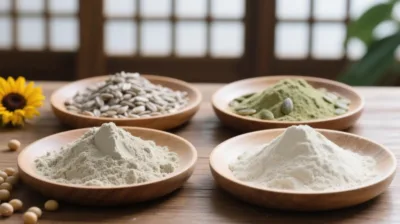
Blending pumpkin seed protein with hemp protein creates a powerful combination: zinc and magnesium from pumpkin seeds pair naturally with the omega fatty acids and fiber of hemp protein. Adding pea protein to this mix further boosts the lysine content, bringing the overall amino acid profile closer to what the body needs for tissue repair and muscle maintenance.

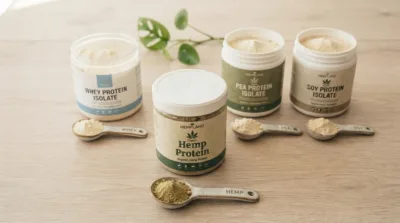
Many commercial plant protein blends already combine two or all three of these sources. HEMPLAND offers organic pumpkin seed protein, organic hemp protein, and organic sunflower protein separately, giving consumers the flexibility to build their own custom blends based on their specific nutritional priorities.

Conclusion

There is no universally superior plant protein — the best choice depends on your individual goals, dietary needs, taste preferences, and budget.

If you prioritize mineral intake and mild flavor, pumpkin seed protein is an excellent daily staple. If you are looking for the most cost-effective lysine-rich option, pea protein delivers solid value. If you want a holistic supplement that combines protein, fiber, and omega fatty acids in one product, hemp protein is the clear standout.

HEMPLAND organic plant proteins are third-party tested, pesticide-free, and traceable from seed to supplement. Contact Us for bulk ordering or product samples for your formulation needs.

Ready to Transform Your Hemp Experience?

Contact us today to learn how our integrated hemp solutions can benefit your business.

Scroll to Top