Walk into any health food store and you will find hemp seed oil in both organic and conventional versions, often with a significant price gap. The organic bottle sits beside its conventional counterpart, commanding a premium that leaves shoppers wondering whether the extra cost is justified or just a marketing surcharge. The question of organic vs conventional hemp seed oil is not trivial. It touches on farming chemistry, processing methods, and what ends up in the bottle you pour over your salad each evening. This article examines the real differences so you can decide whether the organic premium is worth paying.
What Does “Organic” Mean for Hemp Seed Oil?
The word “organic” on a hemp seed oil label is not a vague marketing claim. When properly certified, it represents a documented set of farming and processing standards verified by third-party inspectors.
In the United States, the USDA Organic seal requires that hemp be grown without synthetic pesticides, synthetic fertilizers, or genetically modified seeds for at least three years before harvest. Farmers must run soil health management practices, rotate crops, and keep detailed records of every input applied to the field. Annual on-site inspections confirm compliance. The European Union runs a parallel framework under the EU Organic logo, with similarly strict bans on synthetic inputs and comparable requirements for soil stewardship and traceability.
A detail specific to hemp matters: it is a bioaccumulator. Hemp absorbs substances from soil with notable efficiency. The same trait that makes it useful for phytoremediation of contaminated land means that whatever is in the soil, whether beneficial minerals or harmful contaminants, can concentrate in the plant tissues and ultimately in the pressed oil. This biological characteristic is central to why organic certification carries real weight for hemp seed oil specifically, perhaps more than for many other crops.
Pesticide Residues
Conventional hemp crops may be treated with synthetic pesticides to manage insects, fungal growth, and weeds. Residues from those applications can remain on the seed hulls and, during pressing, migrate into the finished oil. Because hemp seed oil is consumed as food rather than refined or heavily processed, there is little downstream step to strip those compounds out.
Organic certification bans synthetic pesticides entirely. Pest and disease pressure is managed through preventive practices: resistant cultivar selection, crop rotation, beneficial insect habitat, and biological controls. When intervention is required, organic standards permit only a narrow list of naturally derived substances, most of which break down quickly and leave minimal residue.
For a product eaten daily, be it a tablespoon drizzled over greens or a spoonful taken as a supplement, the cumulative exposure question matters. Even low-level pesticide residues, repeated across hundreds of meals per year, add up. Choosing organic hemp seed oil removes that variable from your daily intake.
Soil Quality and Nutrient Density
Soil is not an inert growing medium. Healthy living soil holds a complex microbiome of bacteria, fungi, and mineral cycles that decide which nutrients reach plant roots. Organic farming builds and maintains that biological complexity over time, whereas conventional systems relying on synthetic fertilizers often feed the plant directly while letting the underlying soil degrade.
Hemp’s deep taproot, capable of extending several feet below the surface, draws minerals from deep in the soil profile. When that soil is biologically active and mineral-rich, the resulting seeds carry a broader spectrum of trace minerals into the oil. When the soil is depleted, compacted, or biologically inactive, the oil’s mineral profile can reflect that poverty.
The difference is not always dramatic in a single bottle, but over years of farming, organically managed land tends to yield crops with measurably higher levels of certain minerals and antioxidants. For consumers who take hemp seed oil precisely for its nutritional content, the 15 benefits of hemp seed oil range from essential fatty acids to skin support, so nutrient density is the entire point of the purchase.
Farming Practices: Beyond Pesticides
The gap between organic and conventional hemp seed oil reaches well past the absence of pesticides. Organic hemp farming rests on a system of practices that sustain productivity without synthetic shortcuts.
Crop rotation is fundamental. Alternating hemp with legumes, cereals, or cover crops disrupts pest and disease cycles, fixes atmospheric nitrogen into the soil, and prevents the nutrient depletion of growing a single species year after year. Cover cropping keeps living roots in the ground between cash crops, protecting against erosion and feeding the soil microbiome through root exudates.
Compost-based fertilization replaces synthetic nitrogen and phosphorus. Well-made compost delivers slow-release nutrients alongside organic matter that improves soil structure, water retention, and microbial habitat. Biological pest control, releasing beneficial insects and maintaining hedgerows and flowering borders, keeps pest populations in check without the chemical tread of conventional fields.
These practices do more than satisfy a certification checklist. They improve soil microbiome diversity, reduce erosion, support pollinators and birds, and build farming systems that stay productive for decades rather than exhausting the land for short-term yield. The hemp clean label movement draws directly from these same principles: what happens on the farm shows up in the bottle.
Processing Differences
How hemp seeds become oil differs sharply between organic and conventional production, and that difference affects what you actually consume.
Certified organic hemp seed oil must be cold-pressed, mechanically extracted at temperatures low enough to preserve heat-sensitive nutrients, without chemical solvents. The process is simple: seeds are cleaned, pressed under mechanical pressure, and the oil is filtered. Nothing is added, nothing is extracted with solvents, and the seed’s nutritional profile carries largely intact into the oil.
Conventional production sometimes uses the same cold-pressing method, but it is also free to employ solvent extraction, most often with hexane, to squeeze higher yields from the seed cake. Solvent extraction recovers more oil from the same volume of seed, which lowers cost, but it introduces a chemical step organic standards forbid, and the heat and processing involved can degrade some of the delicate compounds that give hemp seed oil its nutritional value.
The contrast between these methods feeds the broader conversation about cold-pressed vs refined hemp seed oil: the pressing method shapes the final product’s color, flavor, and nutrient content. Organic certification effectively guarantees the gentler end of that spectrum.
Certification and Transparency
Organic certification offers something conventional production cannot: a documented chain of custody from seed to shelf.
Every step in the organic supply chain is recorded and auditable. The seed planted must itself be certified organic. The land it grows on must be certified. The facility that presses the oil, the facility that bottles it, and the entity that labels it for retail must each hold organic certification and keep records tying their inputs to their outputs. Inspectors verify these records annually, and random testing checks for prohibited substances.
That traceability means a bottle of certified organic hemp seed oil can be traced back to specific fields, specific harvests, and specific processing runs. If a quality or contamination question arises, the source can be identified.
Conventional hemp seed oil operates without this infrastructure. There is no requirement to document which fields produced the seed, what inputs were applied, or which facility handled the batch. Quality depends entirely on the producer’s reputation and whatever testing they choose to run voluntarily. Some conventional producers are meticulous; others are not. Certification removes the guesswork.
Price Comparison and Value Assessment
Organic hemp seed oil typically costs 30 to 60 percent more than conventional. On a per-bottle basis, that gap looks steep. Whether it is justified depends on how you weigh several factors.
Start with consumption pattern. Hemp seed oil is not an occasional ingredient for most buyers. It is a daily supplement or staple dressing oil. Daily use means any pesticide residues, processing chemical traces, or nutrient gaps repeat every single day. The relevant comparison is not one bottle against another but one year of exposure against another.
Then consider hemp’s bioaccumulator nature. Because the plant concentrates what it takes up from soil and inputs, the gap between organic and conventional is wider for hemp than for crops that lack this trait. What would be a minor difference for wheat or corn is a more significant difference for hemp.
Next is nutrient retention. Cold-pressed, solvent-free processing preserves more of the omega-3 and omega-6 fatty acids, tocopherols, and other compounds that motivated the purchase. Paying less for an oil that has lost some of its nutritional value is a false economy.
Finally, the environmental accounting. Organic farming sequesters carbon in soil, protects pollinators, and keeps synthetic chemicals out of watersheds. These benefits never appear on a price tag, but they are real costs and real values that someone pays for or bears, consumer or ecosystem.
Taken together, the organic premium is not a markup for a label. It is the price of cleaner inputs, gentler processing, verified traceability, and farming practices that maintain rather than deplete the land.
How to Verify Organic Claims
Because “organic” carries value, it gets used loosely. Verifying that a hemp seed oil is genuinely certified organic means checking a few specific markers.
Look for the USDA Organic seal on U.S. products. The seal indicates certification by a USDA-accredited agent. For EU products, look for the EU Organic logo, a green rectangle with leaf-formed stars. Both seals enforce real standards, not aspirational language.
Check for a certification number. Legitimate organic products carry the name and code of their certifying agency, for example “Certified organic by QAI” or a similar identifier. That number can be cross-referenced with public databases to confirm it is current and valid.
Request or look for third-party lab results. Reputable producers publish certificates of analysis showing their oil has been tested for pesticides, heavy metals, and microbial contaminants. The combination of organic certification and clean lab results is stronger than either alone.
Be wary of products labeled “natural,” “pure,” “wholesome,” or “sustainably grown” without any certification seal. Those terms have no legal definition under organic standards and are not verified by any third party. HEMPLAND organic hemp seed oil carries proper certification and is backed by third-party testing, a standard worth demanding from any brand you consider.
The Bottom Line
The difference between organic and conventional hemp seed oil is not marketing spin. It is a difference in what goes into the soil, what comes out of the press, and what documentation travels with the bottle from farm to kitchen.
Organic certification ensures cleaner farming (no synthetic pesticides, no synthetic fertilizers, practices that build rather than erode soil) and cleaner processing (cold-pressed, solvent-free methods that preserve the nutrients worth consuming). It also ensures greater transparency, a chain of custody conventional production simply does not provide.
Given hemp’s bioaccumulator nature, which makes it unusually sensitive to its growing environment, and given that hemp seed oil is typically a daily-use product, the 30-60 percent organic premium is a reasonable investment rather than a luxury surcharge. You pay more per bottle and receive an oil with fewer contaminants, better-preserved nutrients, and a verifiable story behind it. For a product you put in your body every day, that trade is worth making.
—
Recommended Products

Organic Hemp Seed Oil
Premium organic hemp seed oil — cold-pressed, virgin & extra virgin grades. Perfect 3:1…
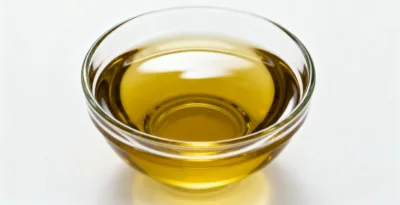
Organic Refined Hemp Seed Oil
100% Certified Organic • Non-GMO Verified • Neutral Flavor • High Smoke Point 232°C
Related Posts