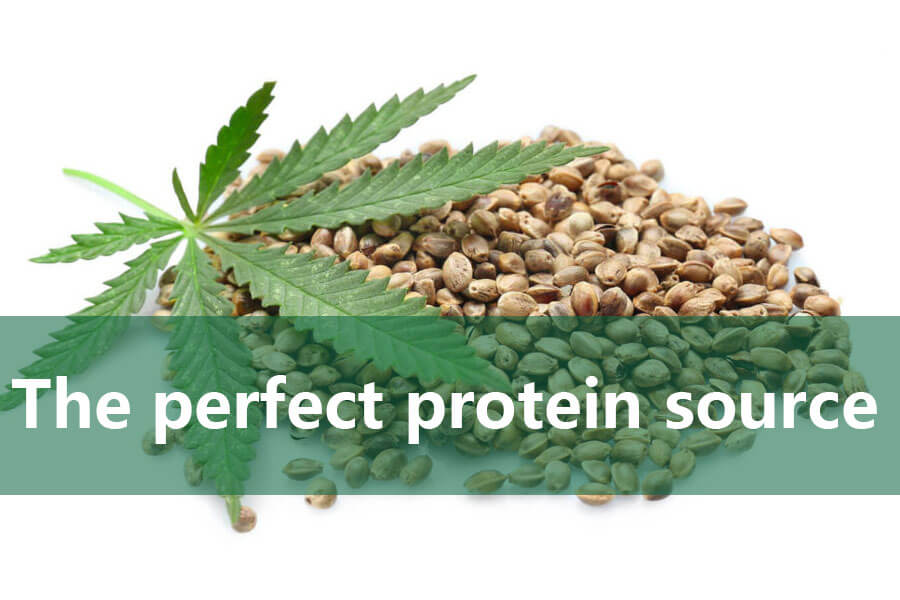
What are hemp seeds?
Hemp seeds (Cannabis sativa L.) are whole seeds derived from the hemp plant — botanically identical to the plant associated with cannabis, yet nutritionally and legally distinct. With no psychoactive effects (THC content <2 ppm in quality products), hemp seeds deliver an exceptional nutritional profile: complete protein containing all nine essential amino acids, an optimal omega-6 to omega-3 ratio of approximately 3:1, a rich spectrum of vitamins and minerals, and both soluble and insoluble dietary fiber. This guide provides a comprehensive, science-based review of hemp seeds’ documented health benefits and potential side effects, supported by peer-reviewed literature, quantitative nutritional data, and practical guidance for dietary integration, clinical awareness, and industrial sourcing.
Key Findings:
- Hemp seeds contain approximately 33 g of protein per 100 g — exceeding chia seeds (~16 g) and flaxseeds (~18 g) — and represent one of the most complete plant protein sources available.
- The omega-6 to omega-3 ratio of ~3:1 is among the most cardiovascular-favorable of any edible oil or seed.
- Hemp seeds are naturally free from gluten, common allergens (dairy, soy, egg, tree nuts), and phytic acid — making them uniquely bioavailable and hypoallergenic.
- Side effects are mild and primarily dose-dependent: high fat content may cause gastrointestinal discomfort in excess, and a drug interaction risk exists for anticoagulant users.
- THC content in properly processed hemp seeds is negligible (<2 ppm or <0.3%); however, athletes subject to doping controls should verify supplier-specific THC levels.
1. What Are Hemp Seeds?
Hemp seeds are the seeds of Cannabis sativa L., a plant cultivated for millennia for fiber, food, and industrial applications. Unlike cannabis cultivated for recreational or medicinal use, industrial hemp varieties are selectively bred to contain negligible amounts of tetrahydrocannabinol (THC) — the psychoactive compound — and are legally cultivated across most of the world.
1.1 Hemp Seed vs. Hemp Hearts vs. Hemp Protein
| Product Form | Description | Protein Content | Key Characteristics |
|---|---|---|---|
| Whole Hemp Seeds | Intact seed with shell (hull) | ~25–28% | Highest fiber content; nutty flavor; longer shelf life |
| Hemp Hearts | Shelled inner kernel (hull removed) | ~31–33% | Soft texture; mild flavor; lower fiber vs. whole seeds |
| Hemp Protein Powder | Defatted, milled hemp cake | 50–80% (by grade) | Concentrated protein; lower fat; used in supplements |
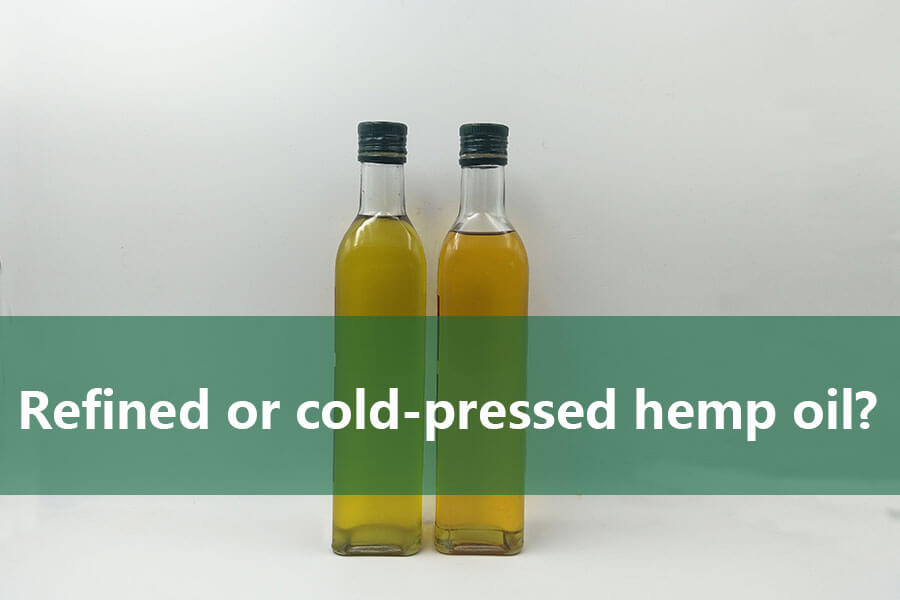
| Hemp Seed Oil | Cold-pressed from seeds or hearts | <1% | Richest omega fatty acid source; no protein |
1.2 Will Hemp Seeds Get You High?
No. Hemp seeds do not cause psychoactive effects. The psychoactive compound THC is found in the plant’s leaves, flowers, and trichomes — not concentrated in the seed itself. In HEMPLAND-grade hemp seeds, THC content is tested and confirmed at <2 ppm (0.0002%) — a level orders of magnitude below any threshold of physiological effect.
Furthermore, hemp seed oil extracted solely from the seed contains no measurable CBD or THC. Only oils derived from the plant’s aerial parts (leaves, flowers) contain these cannabinoids.
1.3 Nutritional Composition at a Glance
| Nutrient | Per 100 g Hemp Seeds (whole) | Per 30 g Serving | % Daily Value (per serving)* |
|---|---|---|---|
| Energy | 553 kcal | 166 kcal | 8% |
| Total Protein | 31.6 g | 9.5 g | 19% |
| Total Fat | 48.8 g | 14.6 g | 19% |
| — Omega-6 (LA) | 28.7 g | 8.6 g | — |
| — Omega-3 (ALA) | 9.3 g | 2.8 g | 175% (ALA AI) |
| — GLA | 1.4 g | 0.4 g | — |
| Total Carbohydrates | 8.7 g | 2.6 g | 1% |
| Dietary Fiber | 4.0 g | 1.2 g | 4% |
| Magnesium | 700 mg | 210 mg | 50% |
| Phosphorus | 1,650 mg | 495 mg | 40% |
| Potassium | 1,200 mg | 360 mg | 8% |
| Iron | 7.95 mg | 2.4 mg | 13% |
| Zinc | 9.9 mg | 3.0 mg | 27% |
| Vitamin E | 15–35 mg | 4.5–10.5 mg | 30–70% |
Based on US FDA 2,000 kcal Daily Reference Values.
2. Complete Amino Acid Profile
Hemp seeds provide all nine essential amino acids (EAAs), qualifying them as a complete protein — an attribute shared by very few plant foods (quinoa, soy, buckwheat). This makes hemp seeds particularly valuable for vegan, vegetarian, and plant-forward diets that risk protein quality gaps.
2.1 Full Amino Acid Profile
| Amino Acid | Content per 100 g Hemp Seeds | FAO/WHO Requirement (mg/g protein) | Hemp Seed Coverage |
|---|---|---|---|
| Histidine | 2.7 g | 15 | Exceeds |
| Isoleucine | 4.5 g | 30 | Exceeds |
| Leucine | 6.8 g | 59 | ~87% (first limiting) |
| Lysine | 3.7 g | 45 | ~64% (second limiting) |
| Methionine + Cysteine | 3.3 g | 22 | Exceeds |
| Phenylalanine + Tyrosine | 6.5 g | 38 | Exceeds |
| Threonine | 3.0 g | 23 | Exceeds |
| Tryptophan | 1.1 g | 6 | Exceeds |
| Valine | 4.8 g | 39 | ~92% |
| Arginine (conditionally essential) | 9.5 g | — | Exceptional (highest in most plant proteins) |
| Glutamic Acid (non-essential) | 10.5 g | — | Abundant |
Note on Leucine and Lysine: These are the two limiting amino acids in hemp protein. While hemp seeds technically qualify as complete protein (all EAAs present), the relative insufficiency of leucine and lysine means hemp protein should ideally be complemented with legumes (rich in lysine) and dairy or soy (rich in leucine) in high-performance dietary contexts such as competitive athletics.
2.2 Hemp Protein Quality Versus Other Sources
| Protein Source | PDCAAS | DIAAS | Complete Protein | Digestibility |
|---|---|---|---|---|
| Whey Protein | 1.00 | 1.09 | Yes | ~99% |
| Soy Protein Isolate | 0.91 | 0.90 | Yes | ~95% |
| Pea Protein | 0.73 | 0.82 | No (low Met+Cys) | ~88% |
| Hemp Seeds | 0.63–0.66 | ~0.70 | ** Yes** | ~90–95% |
| Brown Rice Protein | 0.47 | 0.59 | No (low Lys) | ~72% |
| Wheat Protein | 0.42 | 0.45 | No (low Lys) | ~68% |
Despite a PDCAAS below soy and pea, hemp seeds achieve 90–95% protein digestibility — significantly higher than legume proteins — due to the absence of major anti-nutritional factors (trypsin inhibitors, phytate, lectins) that impair protein absorption in other plant sources.
3. Health Benefits
3.1 Digestive Health and Fiber Function
Whole hemp seeds contain approximately 4 g of dietary fiber per 100 g, comprising both soluble and insoluble fractions. Hemp hearts (shelled seeds) contain less fiber (~1.2 g/100 g) as the hull — the primary fiber source — is removed.
| Fiber Type | Source in Hemp | Mechanism | Documented Health Benefit |
|---|---|---|---|
| Soluble Fiber | Inner kernel mucilage | Forms gel; binds bile acids and cholesterol | Lowers LDL cholesterol; stabilizes postprandial blood glucose; prebiotic effect (feeds Bifidobacterium, Lactobacillus) |
| Insoluble Fiber | Outer hull (seed coat) | Adds stool bulk; accelerates intestinal transit | Prevents constipation; supports colon cleansing; reduces colorectal cancer risk |
Key functional insight: Hemp seed protein isolates produced via thermal processing (heat-denatured) retain structural integrity up to approximately 80°C — making them suitable for hot food processing applications including baking, cooking, and beverage manufacturing without significant protein degradation.
3.2 Anti-Inflammatory Properties
Hemp seeds contain approximately 48–50 g of fat per 100 g, of which over 90% is unsaturated fatty acids. The anti-inflammatory potential of hemp seeds stems from multiple mechanisms:
| Mechanism | Compound | Documented Effect |
|---|---|---|
| Optimal omega ratio | LA:ALA ≈ 3:1 | Corrects the pro-inflammatory 15–20:1 Western diet ratio; reduces systemic inflammation markers (CRP, IL-6) |
| GLA activity | Gamma-linolenic acid (1–4%) | Converted to DGLA, a precursor to anti-inflammatory series-1 prostaglandins; distinct from ALA pathway |
| Phytosterol content | Beta-sitosterol, campesterol | Modulates immune signaling; inhibits NF-κB pathway |
| Polyphenol content | Tocopherols, lignanamides | Neutralizes reactive oxygen species (ROS); protects cell membranes from oxidative damage |
| Triglyceride reduction | ALA and LA combined | Meta-analyses show omega-3 supplementation reduces serum triglycerides by 15–30% |
A single tablespoon (15 mL) of hemp seed oil provides approximately 8–9 g of omega-6 (LA) and 2.7–3.0 g of omega-3 (ALA) — enough to meet the daily adequate intake (AI) for essential fatty acids established by the US Institute of Medicine.
3.3 Cardiovascular Protection
Beyond anti-inflammatory effects, hemp seeds deliver specific cardiovascular benefits:
- Arginine-nitric oxide pathway: Hemp seeds contain ~9.5 g of arginine per 100 g — among the highest concentrations of any plant food. Arginine is the direct precursor to nitric oxide (NO), which promotes vasodilation, reduces arterial stiffness, inhibits platelet aggregation, and suppresses atherosclerotic plaque formation.
- LDL cholesterol reduction: Soluble fiber and phytosterols work synergistically to reduce intestinal cholesterol absorption. Clinical evidence supports 5–10% LDL reduction with consistent dietary phytosterol intake (1.5–3 g/day).
- Blood pressure regulation: The combination of arginine-derived NO, potassium (1,200 mg/100 g), and magnesium (700 mg/100 g) contributes to blood pressure normalization through both vascular and renal mechanisms.
| Cardiovascular Benefit | Active Compound | Mechanism |
|---|---|---|
| Vasodilation | Arginine → NO | Relaxes vascular smooth muscle |
| LDL reduction | Soluble fiber + phytosterols | Reduces intestinal cholesterol absorption |
| Triglyceride reduction | ALA + LA | Regulates hepatic lipid metabolism |
| Blood pressure normalization | K, Mg, NO | Vascular tone + renal sodium regulation |
| Anti-atherosclerosis | Tocopherols + polyphenols | Prevents LDL oxidation |
3.4 Benefits for Athletes and Active Individuals
Hemp seeds are well-suited for sports nutrition, providing a balanced macronutrient and micronutrient profile relevant to training and recovery:
| Benefit | Active Compound | Mechanism | Evidence Level |
|---|---|---|---|
| Muscle protein synthesis | Leucine, isoleucine, valine (BCAAs) | mTOR pathway activation | Strong (multiple RCTs) |
| Post-exercise recovery | BCAAs (4.7 g per 30 g serving) | Reduces DOMS, accelerates repair | Moderate–Strong |
| Cramp prevention | Magnesium (700 mg/100 g) | Electrolyte balance; neuromuscular regulation | Moderate |
| Tissue repair & immune support | Zinc (9.9 mg/100 g), Iron (7.95 mg/100 g), Manganese | Cofactors in collagen synthesis, immune enzymes | Strong |
| Energy metabolism | B vitamins (B1, B2, B3) | ATP production pathways | Strong |
| Oxidative stress reduction | Vitamin E (15–35 mg/100 g) | Antioxidant protection of muscle cell membranes | Moderate |
Practical serving guidance for athletes: 3 tablespoons (~30 g) of hemp hearts provide approximately 9.5 g of protein and 4.7 g of BCAAs — sufficient to meaningfully contribute to a post-workout recovery meal alongside carbohydrates and other protein sources.
** Doping Note for Competitive Athletes:** While HEMPLAND hemp seeds are tested to <2 ppm THC, THC content varies by supplier and growing batch. Athletes subject to World Anti-Doping Agency (WADA) drug testing should verify the THC specification of their specific supply batch via Certificate of Analysis (CoA) before consumption. No hemp seed product can be certified as zero-THC.
3.5 Skin Health
Hemp seeds and hemp seed oil are increasingly documented for dermatological applications:
| Skin Condition | Active Compound | Evidence |
|---|---|---|
| Atopic dermatitis (eczema) | ALA + LA + GLA | Randomized controlled trial (Callaway et al., 2005): hemp seed oil significantly reduced skin dryness, itching, and use of topical medications |
| Psoriasis | GLA + linoleic acid | Anti-inflammatory mechanisms reduce keratinocyte proliferation |
| Acne-prone skin | Low comedogenic index + anti-inflammatory | LA deficiency is linked to follicular hyperkeratinization; hemp oil restores balance |
| Dry and aging skin | Tocopherols + fatty acids | Reinforces skin barrier; reduces transepidermal water loss (TEWL) |
| Wound healing | Arginine + Zinc | Arginine is a substrate for collagen synthesis; zinc accelerates epithelial repair |
Key advantage: Hemp seeds contain no phytates (phytic acid), which are mineral-chelating anti-nutritional factors present in most seeds, grains, and legumes. This means the iron, zinc, magnesium, and calcium in hemp seeds are more bioavailable compared to equally mineral-rich foods that contain phytates.
3.6 Hypoallergenic and Allergen-Free Profile
Hemp seeds are one of the few high-protein plant foods with a genuinely low allergenicity profile:
| Common Allergen | Hemp Seeds | Notes |
|---|---|---|
| Gluten | Absent | Naturally gluten-free (not derived from wheat, barley, or rye) |
| Dairy | Absent | Suitable replacement for dairy in plant-based formulations |
| Egg | Absent | Egg-free; suitable for vegan formulations |
| Soy | Absent | Soy-free; important for soy-allergic consumers |
| Tree Nuts | Absent | Not a tree nut; no cross-reactivity documented |
| Peanuts | Absent | No known cross-reactivity |
| Shellfish/Fish | Absent | Fully plant-derived |
| GMO status | Non-GMO | No commercially approved GMO hemp varieties exist globally |
Hemp protein allergy is extremely rare. Documented hypersensitivity cases in the scientific literature are isolated and typically linked to cross-contamination during processing rather than the hemp protein itself.
4. Potential Side Effects and Contraindications
Transparency about side effects is essential for responsible nutritional guidance. Hemp seeds are generally safe for the majority of healthy adults, but several considerations merit attention:
4.1 Amino Acid Limitations
As noted in the protein quality analysis, hemp seeds have a relative deficiency in leucine and lysine compared to the FAO/WHO reference pattern:
- Leucine is the primary trigger amino acid for muscle protein synthesis via the mTOR pathway. Hemp seeds provide approximately 6.8 g/100 g versus a FAO reference of ~5.9 g/100 g — while this seems sufficient on paper, practical PDCAAS modeling suggests leucine is the first limiting factor for hemp protein.
- Lysine at ~3.7 g/100 g meets only ~64% of the FAO/WHO reference requirement per gram of protein.
Mitigation strategy: Combine hemp seeds with legumes (lentils, chickpeas, black beans) — which are rich in lysine — and whole grains — which contribute additional leucine. This complementary pairing achieves a complete amino acid profile within the overall diet without requiring supplementation.
4.2 Gastrointestinal Effects from Excess Consumption
Hemp seeds are calorie-dense (553 kcal/100 g) with approximately 48–50% fat content. Consuming large quantities in a single sitting may cause:
- Mild diarrhea or loose stools (due to high fat triggering increased intestinal motility)
- Bloating (particularly in individuals with fat malabsorption conditions)
- Temporary nausea
Recommended moderation: Standard daily intake of 2–4 tablespoons (20–40 g) is well-tolerated by most adults. Clinical reports of adverse GI effects are associated with intakes exceeding 100 g/day.
4.3 Anticoagulant Drug Interactions
Hemp seed oil and hemp seeds contain polyunsaturated fatty acids (PUFAs) — particularly ALA and LA — which exhibit mild anti-platelet and anticoagulant properties at high doses. This creates a potential interaction risk for individuals taking:
| Drug / Condition | Interaction Risk | Recommendation |
|---|---|---|
| Warfarin (Coumadin) | Moderate — Omega-3 fatty acids can potentiate anticoagulant effect | Consult physician; monitor INR if consuming >40 g hemp seeds/day |
| Aspirin / Clopidogrel | Low–Moderate — Additive anti-platelet effects at high doses | Standard dietary amounts likely safe; avoid large therapeutic doses |
| Bleeding disorders | Moderate | Avoid large quantities; consult hematologist |
| Pre-surgical patients | Low — Precautionary | Discontinue hemp supplements 1–2 weeks before elective surgery |
Important: At normal dietary consumption levels (20–40 g/day), the risk of clinically significant drug interaction is very low. This risk is primarily relevant for individuals consuming hemp seed oil as a therapeutic supplement (>30 mL/day) alongside anticoagulant therapy.
4.4 THC and Drug Testing Considerations
As noted in Section 1.2, hemp seeds contain negligible THC. However:
- THC content varies by hemp cultivar, growing region, and harvest conditions
- Cross-contamination during harvesting can result in trace cannabinoid presence in seed products
- Professional athletes and individuals subject to zero-tolerance drug testing policies should request batch-specific CoA documentation confirming THC levels
HEMPLAND’s proprietary testing protocol confirms THC at <2 ppm per batch — well below any regulatory limit globally — but cannot guarantee a universally zero result for all mass-spectrometry-based testing methods.
4.5 Side Effects Summary
| Side Effect | Severity | Frequency | Prevention |
|---|---|---|---|
| Mild diarrhea / loose stools | Mild | Uncommon (at standard doses) | Limit to ≤40 g/day; increase intake gradually |
| GI bloating / discomfort | Mild | Rare | Chew thoroughly; consume with adequate fluids |
| Anticoagulant interaction | Moderate | Rare (dose-dependent) | Consult physician if on blood thinners |
| THC trace detection in drug test | Variable | Very rare (supplier-dependent) | Verify batch CoA; select verified low-THC suppliers |
| Allergic reaction | Mild–Moderate | Very rare | Discontinue if hypersensitivity symptoms occur |
5. How to Eat Hemp Seeds
5.1 Storage and Handling
| Parameter | Recommendation |
|---|---|
| Storage temperature | 4–15°C (refrigerated or cool pantry) |
| Container | Airtight, opaque |
| Shelf life (unopened) | 12–14 months from production |
| Shelf life (opened) | 3–6 months if refrigerated |
| Freeze storage | Up to 24 months (whole seeds) |
| Avoid | Direct sunlight, humidity, heat above 50°C |
5.2 Culinary Applications
Hemp seeds’ mild, nutty flavor and creamy texture make them one of the most versatile plant foods available:
| Application | Method | Nutritional Contribution per Serving |
|---|---|---|
| Smoothies & protein shakes | 2–3 tbsp blended in | +9.5 g protein, +2.8 g ALA, +4.7 g BCAAs |
| Breakfast cereals / granola | Sprinkled over or blended in (10–15%) | Protein and omega-3 enrichment |
| Salad topping | Sprinkled raw (1–2 tbsp) | Adds crunch, protein, essential fats |
| Yogurt / overnight oats | Stirred in | Protein, fiber, and mineral boost |
| Baked goods (bread, muffins) | Partial flour replacement (5–15%) | Protein and healthy fat enhancement |
| Plant-based milk | Blended with water (1:3–1:4 ratio) | Dairy alternative with complete protein |
| Hemp “cheese” / spreads | Ground with water, lemon, spices | High-protein vegan cheese alternative |
| Pasta / rice dishes | Stirred in as finishing ingredient | Boosts protein without altering flavor |
| Energy balls / bars | Mixed with dates, cocoa, oats | Compact, nutrient-dense snack |
| Cold-pressed oil extraction | Mechanically pressed | Yields hemp seed oil (separate product) |
6. Skin and Cosmetic Applications
6.1 Topical Use of Hemp Seed Oil
While this article primarily concerns dietary hemp seeds, it is worth noting that cold-pressed hemp seed oil derived from the seeds (not the plant flowers) has documented cosmetic applications:
| Application | Benefit | Key Compound |
|---|---|---|
| Facial moisturizer | Hydrates without clogging pores (comedogenic rating: 0) | LA, GLA, tocopherols |
| Body lotion / dry skin | Restores skin lipid barrier | ALA, LA |
| Eczema / psoriasis relief | Reduces inflammation and scaling | GLA, ALA |
| Anti-aging serums | Reduces oxidative stress, supports collagen | Tocopherols, polyphenols |
| Hair and scalp care | Moisturizes scalp; reduces dandruff | LA, GLA |
7. Market Context and Consumer Profile
7.1 Hemp Seeds in the Global Superfood Market
| Year | Global Hemp Food Market (USD) | Key Driver |
|---|---|---|
| 2022 | $3.2 billion | Plant-based diet trend; omega-3 awareness |
| 2024 | $4.2 billion | Clean-label demand; regulatory harmonization |
| 2027 (projected) | $6.0 billion | Mainstream retail expansion; sports nutrition growth |
| 2030 (projected) | $8.5 billion | Emerging markets; functional food integration |
Source: Grand View Research, Mordor Intelligence — aggregated estimates.
7.2 Target Consumer Segments
| Segment | Primary Motivation | Preferred Format |
|---|---|---|
| Vegans / Vegetarians | Complete plant protein | Hemp hearts, protein powder |
| Athletes / Fitness enthusiasts | BCAAs, muscle recovery, magnesium | Protein shakes, bars, snacks |
| Health-conscious adults (35–55) | Heart health, omega-3, anti-inflammatory | Cooking oil, salad toppings |
| Allergy-sensitive consumers | Gluten-free, soy-free, dairy-free | Hemp hearts, hemp milk |
| Skin-care focused consumers | GLA, tocopherols, skin health | Hemp oil (topical + dietary) |
| Formulators / Manufacturers | High protein, clean label, non-GMO | Bulk hemp hearts, protein powder |
8. Global Regulatory Status
| Region | Regulatory Classification | THC Limit | Notes |
|---|---|---|---|
| United States | Food ingredient (GRAS) | <0.3% | Farm Bill 2018; USDA Organic available |
| European Union | Approved food ingredient | <0.2% (seeds may be higher; seeds exempted from THC limits in most countries) | EU Organic certification available |
| Canada | Approved food under Safe Food for Canadians Act | <10 µg/g in food products | Health Canada regulated |
| China | Approved food ingredient (since 2013) | Variety-specific limits | Must use approved industrial hemp cultivars |
| Australia & New Zealand | Approved food (FSANZ Standard 2.4.6, 2017) | <0.3% in hulled seeds | Hulled seeds (hemp hearts) specifically approved |
| Japan | Approved food ingredient | <0.001% in finished products | Requires controlled supply chain documentation |
9. Buyer’s Quality Checklist
When sourcing hemp seeds for food, supplement, or cosmetic applications, request a Certificate of Analysis (CoA) confirming the following:
| Parameter | Specification | Test Method |
|---|---|---|
| Protein Content | ≥30% whole seed / ≥31% hemp hearts (dry basis) | Kjeldahl / Dumas |
| Moisture Content | ≤6% | Oven drying (105°C) |
| Oil Content | 45–50% | Soxhlet extraction |
| Omega-6:Omega-3 Ratio | 2.5:1 – 4.0:1 | GC-FID fatty acid profiling |
| THC Content | <0.3% (or <2 ppm for zero-tolerance suppliers) | HPLC / LC-MS/MS |
| Pesticide Residues | ND (per EU/USDA organic standards) | GC-MS / LC-MS |
| Glyphosate Residues | <0.1 mg/kg (EU limit) | LC-MS/MS |
| Heavy Metals (Pb, As, Cd, Hg) | Within Codex Alimentarius / EU limits | ICP-MS |
| Microbiological | TPC <1,000 CFU/g; Salmonella ND/25g; E. coli <10 CFU/g | Standard plate count |
| Mycotoxins (Aflatoxin B1, OTA) | Within EU/Codex limits | HPLC / ELISA |
| Allergen Declaration | Gluten-free, soy-free, dairy-free confirmed | ELISA |
| Non-GMO Verification | PCR negative | PCR testing |
| Organic Certification | USDA Organic / EU Organic | Third-party certification body |
10. HEMPLAND Hemp Seeds Product Overview
| SKU | Product Form | Protein Content | THC Level | Key Certifications | Origin |
|---|---|---|---|---|---|
| HS-WHOLE-ORG | Whole Hemp Seeds | ~25–28% | <2 ppm | USDA Organic, EU Organic, Non-GMO | China / Europe / North America |
| HH-ORG-01 | Hemp Hearts (<5% green skin) | ~31–33% | <2 ppm | USDA Organic, EU Organic, Non-GMO | China / Europe / North America |
| HH-ORG-10 | Hemp Hearts (10–15% green skin) | ~31–33% | <2 ppm | USDA Organic, EU Organic, Non-GMO | China / Europe / North America |
| HP-70-ORG | Hemp Protein Powder (70%) | ~70% | <2 ppm | USDA Organic, EU Organic, Non-GMO | China |
| HP-80-ORG | Hemp Protein Powder (80%) | ~80% | <2 ppm | USDA Organic, EU Organic, Non-GMO | China |
| HO-CP-ORG | Cold-Pressed Hemp Seed Oil | <1% | <2 ppm | USDA Organic, EU Organic, Non-GMO | China / Europe |
All HEMPLAND products are processed under low-temperature conditions, certified organic, non-GMO verified, and rigorously tested for glyphosate, pesticides, heavy metals, THC, and mycotoxins prior to shipment.
References
- Callaway, J. C. (2004). Hempseed as a nutritional resource: An overview. Euphytica, 140(1–2), 65–72. https://doi.org/10.1007/s10681-004-4811-9
- House, J. D., Neufeld, J., & Leson, G. (2010). Evaluating the quality of protein from hemp seed (Cannabis sativa L.) products through the use of the protein digestibility-corrected amino acid score method. Journal of Agricultural and Food Chemistry, 58(22), 11801–11807. https://doi.org/10.1021/jf102536f
- Callaway, J. C., Schwab, U., Harvima, I., et al. (2005). Efficacy of dietary hempseed oil in patients with atopic dermatitis. Journal of Dermatological Treatment, 16(2), 87–94. https://doi.org/10.1080/09546630510035832
- Farinon, B., Molinari, R., Costantini, L., & Merendino, N. (2020). The seed of industrial hemp (Cannabis sativa L.): Nutritional quality and potential functionality for human health and nutrition. Nutrients, 12(7), 1935. https://doi.org/10.3390/nu12071935
- Simopoulos, A. P. (2002). The importance of the ratio of omega-6/omega-3 essential fatty acids. Biomedicine & Pharmacotherapy, 56(8), 365–379. https://doi.org/10.1016/S0753-3322(02)00253-6
- Leonard, W., Zhang, P., Ying, D., & Fang, Z. (2020). Hempseed in food industry: Nutritional value, health benefits, and industrial applications. Comprehensive Reviews in Food Science and Food Safety, 19(1), 282–308. https://doi.org/10.1111/1541-4337.12517
- Schwab, U. S., Callaway, J. C., Erkkilä, A. T., et al. (2006). Effects of hempseed and flaxseed oils on the profile of serum fatty acids in healthy adults. Prostaglandins, Leukotrienes and Essential Fatty Acids, 74(1), 11–18. https://doi.org/10.1016/j.plefa.2005.08.002
- Reynolds, A., Mann, J., Cummings, J., et al. (2019). Carbohydrate quality and human health: A series of systematic reviews and meta-analyses. The Lancet, 393(10170), 434–445. https://doi.org/10.1016/S0140-6736(18)31809-9
- Miller, P. E., Van Elswyk, M., & Alexander, D. D. (2014). Long-chain omega-3 fatty acids eicosapentaenoic acid and docosahexaenoic acid and blood pressure: A meta-analysis of randomized controlled trials. American Journal of Hypertension, 27(7), 885–896. https://doi.org/10.1093/ajh/hpu024
- Joy, J. M., Lowery, R. P., Wilson, J. M., et al. (2013). The effects of 8 weeks of whey or rice protein supplementation on body composition and exercise performance. Nutrition Journal, 12, 86. https://doi.org/10.1186/1475-2891-12-86
- Oomah, B. D., Busson, M., Godfrey, D. V., & Drover, J. C. (2002). Characteristics of hemp (Cannabis sativa L.) seed oil. Food Chemistry, 76(1), 33–43. https://doi.org/10.1016/S0308-8146(01)00245-X
Disclaimer: This article is provided for informational and educational purposes only. The nutritional data and health claims cited are sourced from published peer-reviewed scientific literature and industry references; actual values may vary by cultivar, growing region, harvest conditions, and processing method. This content does not constitute medical advice, diagnosis, or treatment. Individuals with known medical conditions, those taking prescription medications (particularly anticoagulants), pregnant or breastfeeding women, and competitive athletes subject to drug testing should consult qualified healthcare professionals before significantly changing their dietary intake of hemp seed products. Regulatory information reflects the status as of the publication date and may be subject to change.