Industrial hemp seed (Cannabis sativa L.) has gained significant attention in the functional food and dietary supplement industries as a sustainable, high-nutritional-value food ingredient. This article systematically analyzes the protein composition, amino acid profile, bioavailability, and application potential of hemp seed in plant-based diets from a nutritional science perspective, providing scientific references for food manufacturers, nutritionists, and consumers.
Key Findings:
- Hemp seed contains 25-31% protein with a Protein Digestibility-Corrected Amino Acid Score (PDCAAS) approaching animal proteins
- Unique protein composition (65% edestin + 33% albumin) with high digestibility
- Complete essential amino acid profile, including lysine which is often lacking in plant proteins
- High nutrient density, rich in dietary fiber, essential fatty acids, and micronutrients
- Suitable for vegetarians, lactose-intolerant individuals, and food industry applications
1. Nutritional Overview of Hemp Seed
1.1 Macronutrient Composition
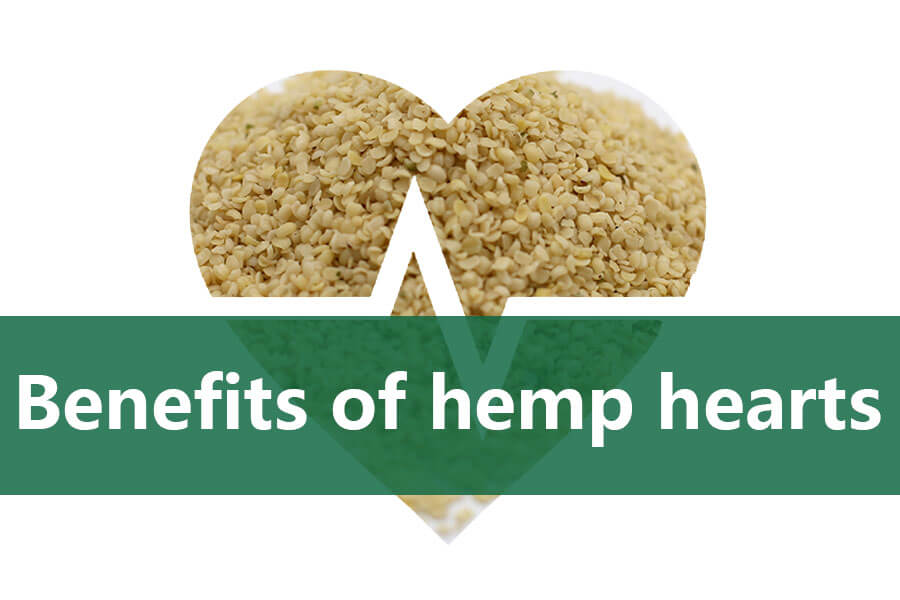
According to the USDA FoodData Central and multiple clinical studies, the typical nutritional composition of industrial hemp seed (hulled hemp hearts) is:
| Nutrient | Content (per 100g) | Percentage |
|---|---|---|
| Protein | 25-31g | 30% |
| Fat | 35-40g | 35% |
| Carbohydrates | 20-25g | 20% |
| Dietary Fiber | 10-15g | 10-15% |
| Moisture | 5-8g | 5-8% |
Data Sources: USDA FoodData Central, Callaway (2004), House et al. (2010)
1.2 Protein Content Comparison
Compared to other common high-protein foods, hemp seed demonstrates competitive protein content:
| Food Source | Protein Content (per 100g) | Digestibility |
|---|---|---|
| Soybeans (dried) | 35g | 90-95% |
| Hemp Seed (hulled) | 25-31g | 90-95% |
| Lentils (dried) | 25g | 85-90% |
| Eggs | 13g | 97% |
| Tofu | 8g | 93% |
| Human Milk | 1.1g | 95% |
| Whole Milk | 3.2g | 95% |
Key Advantage: Hemp seed protein content is second only to soybeans but has higher digestibility and does not contain controversial phytoestrogens such as soy isoflavones.
2. Scientific Characteristics of Hemp Seed Protein
2.1 Protein Composition and Structure
Hemp seed protein consists primarily of two storage proteins:
Edestin – 65%
- Characteristics: Belongs to the globulin family, structurally similar to immunoglobulins in human blood
- Functions:
- Promotes antibody synthesis, supports immune system
- High solubility, easy to digest and absorb
- Rich in essential amino acids
- Scientific Significance: Edestin is a rare “complete globulin” in the plant kingdom, with a tertiary structure similar to animal globulins, resulting in high bioavailability
Albumin – 33%
- Characteristics: Water-soluble protein with smaller molecular weight
- Functions:
- Rapid digestion and absorption (digestibility >95%)
- Provides abundant branched-chain amino acids (BCAAs)
- Supports muscle synthesis and repair
2.2 Amino Acid Profile Analysis
Hemp seed protein contains all nine essential amino acids, a rare case among plant proteins. The following table compares essential amino acid composition (mg/g protein):
| Essential Amino Acid | Hemp Seed | FAO/WHO Recommendation | Achievement Rate |
|---|---|---|---|
| Histidine | 27 | 15 | 180% |
| Isoleucine | 47 | 30 | 157% |
| Leucine | 71 | 59 | 120% |
| Lysine | 42 | 45 | 93% ⚠️ |
| Methionine + Cysteine | 37 | 22 | 168% |
| Phenylalanine + Tyrosine | 79 | 38 | 208% |
| Threonine | 37 | 23 | 161% |
| Tryptophan | 12 | 6 | 200% |
| Valine | 51 | 39 | 131% |
Key Findings:
- ✅ 8 essential amino acids exceed requirements, achievement rate 120-208%
- ⚠️ Lysine slightly lower (93%), but still superior to most grain proteins
- ✅ Rich in sulfur-containing amino acids (methionine + cysteine), suitable for complementing legume proteins
Data Sources: House et al. (2010), Mattila et al. (2018), FAO/WHO (2013)
2.3 Protein Digestibility-Corrected Amino Acid Score (PDCAAS)
PDCAAS is the authoritative international indicator for evaluating protein quality, with a scoring range of 0-1.0, where 1.0 is the highest score.
| Protein Source | PDCAAS Score | Notes |
|---|---|---|
| Egg Protein | 1.00 | Gold standard |
| Whey Protein | 1.00 | Fast absorption |
| Casein | 1.00 | Slow-release protein |
| Soy Protein | 0.91 | Lysine limiting |
| Hemp Seed Protein | 0.85-0.90 | Approaches animal protein |
| Pea Protein | 0.78 | Methionine limiting |
| Wheat Protein | 0.42 | Lysine severely deficient |
Scientific Evaluation: Hemp seed protein achieves a PDCAAS score of 0.85-0.90, second only to soy protein among plant proteins, significantly higher than pea protein and wheat protein, classifying it as a high-quality plant protein.
3. Health Benefits of Hemp Seed Protein
3.1 Supports Muscle Synthesis
- High BCAA Content: Total branched-chain amino acids (leucine, isoleucine, valine) reach 169mg/g protein, approaching whey protein levels
- Rapid Absorption: Albumin fraction can be digested and absorbed within 30-60 minutes, suitable for post-exercise supplementation
- Research Support: Gorissen et al. (2018) demonstrated that hemp seed protein effectively stimulates muscle protein synthesis (MPS)
3.2 Cardiovascular Health
- High Arginine Content: Arginine is a precursor to nitric oxide (NO), aiding vasodilation and blood pressure regulation
- Unsaturated Fatty Acids: Rich in omega-3 and omega-6 fatty acids with a ratio close to 1:3 (ideal range 1:2-1:4)
- Clinical Evidence: Prociuk et al. (2008) showed that hemp seed consumption can improve lipid profiles and reduce cardiovascular risk
3.3 Gastrointestinal Health
- Rich in Dietary Fiber: Contains 10-15g of dietary fiber per 100g, supporting intestinal motility and probiotic growth
- Gentle and Digestible: Gluten-free, lactose-free, and allergen-free, suitable for sensitive populations
- Research Support: Callaway et al. (2005) demonstrated that hemp seed can improve constipation and intestinal discomfort symptoms
3.4 Sustainability Advantages
| Environmental Indicator | Hemp Seed | Soy | Beef |
|---|---|---|---|
| Water Footprint (L/kg protein) | 300-500 | 2,000-3,000 | 15,000-20,000 |
| Carbon Footprint (kg CO₂/kg protein) | 1.5-2.5 | 3-5 | 50-100 |
| Land Efficiency (kg protein/hectare) | 500-800 | 400-600 | 50-100 |
Sustainability Evaluation: Hemp seed protein has a significantly lower environmental footprint than soy and animal proteins, aligning with Sustainable Development Goals (SDGs).
4. Applications in the Food Industry
4.1 Functional Food Applications
| Application Area | Product Forms | Advantages |
|---|---|---|
| Sports Nutrition | Protein powder, energy bars, protein beverages | Fast absorption, rich in BCAAs, plant-based |
| Alternative Protein | Plant-based meat, tofu alternatives | High protein, allergen-free, excellent texture |
| Functional Beverages | Plant milk, protein shakes | Good emulsification, neutral flavor |
| Baked Goods | High-protein bread, cookies | Increased protein content, improved texture |
| Dietary Supplements | Capsules, tablets | Convenient supplementation, complete amino acid profile |
4.2 Technical Specifications
HEMPLAND Hemp Seed Protein Product Specifications:
| Product Name | Protein Content | Processing Method | Application Recommendations |
|---|---|---|---|
| Organic Hemp Seed Protein 70 | ≥70% | Cold-pressed + low-temperature grinding | Sports nutrition, food fortification |
| Organic Hemp Seed Protein 75 | ≥75% | Microfiltration concentration | Protein beverages, energy bars |
| Organic Hemp Seed Protein 80 | ≥80% | Ultrafiltration separation | Premium sports nutrition, medical food |
Processing Advantages:
- Cold-pressing preserves natural nutrients
- Low-temperature grinding prevents protein denaturation
- Organic certifications: USDA Organic, EU Organic
- Compliance declaration: Industrial hemp, contains no CBD or THC
5. Safety and Compliance
5.1 Legal Compliance Statement
All HEMPLAND industrial hemp products strictly comply with the following regulations:
- ✅ EU Regulation: EU Regulation 2017/2100, THC content <0.2%
- ✅ US Regulation: 2018 Farm Bill, industrial hemp THC content <0.3%
- ✅ China Regulation: Compliant with “Industrial Hemp Industry Development Management Measures,” processing seed portion only
- ✅ No Psychoactive Components: All products contain no CBD or THC, only nutritional hemp seed
5.2 Safety Assessment
- Allergens: Hemp seed protein is not on the major allergen list, with extremely low allergy rates
- Heavy Metals: Compliant with EU 1881/2006 heavy metal limit standards
- Microbiological: Compliant with ISO 7302 microbiological safety standards
- Clinical Safety: Multiple human studies show no adverse effects (Callaway 2004, House 2010)
6. Practical Recommendations: How to Consume Hemp Seed Protein
6.1 Daily Recommended Intake
- General Population: 30-50g hemp seeds or 20-30g hemp seed protein powder
- Athletes/Fitness Enthusiasts: 50-70g hemp seeds or 30-50g protein powder
- Vegetarians: Can serve as a primary protein source, recommended to pair with legume proteins
6.2 Consumption Methods
| Form | Amount | Serving Suggestions |
|---|---|---|
| Hulled Hemp Hearts | 30-50g | Sprinkle on salads, yogurt, oatmeal, or eat directly |
| Hemp Seed Protein Powder | 20-30g | Add to smoothies, protein beverages, baked goods |
| Hemp Seed Oil | 15-20mL | Cold dish dressing, not suitable for high-temperature cooking |
Note: Hemp seed oil is primarily unsaturated fatty acids; high-temperature cooking will destroy nutrients, cold consumption is recommended.
7. Future Research Directions
While existing research has confirmed the nutritional value of hemp seed protein, the following areas require further exploration:
- Long-term Clinical Trials: Long-term effects of hemp seed protein on muscle mass and body composition
- Bioavailability Studies: Impact of different processing methods on protein digestibility
- Functional Property Studies: Emulsification, gelation, foaming properties of hemp seed protein
- Sustainability Research: Life cycle assessment (LCA) comparison with other plant proteins
- Food Application Innovation: Plant-based meat, fermented foods, functional beverage development
8. Conclusion
Industrial hemp seed, as a sustainable premium plant protein source, offers the following core advantages:
✅ Comprehensive Nutrition: Complete essential amino acid profile, high protein content (25-31%)
✅ Easy Absorption: Unique protein composition (edestin + albumin), digestibility >90%
✅ Health Benefits: Supports muscle synthesis, cardiovascular health, gastrointestinal health
✅ High Safety: No allergens, gluten-free, lactose-free, compliant with no psychoactive components
✅ Sustainability: Low water footprint, low carbon footprint, high land efficiency
Driven by plant-based diet trends and sustainable development needs, industrial hemp seed protein will play an increasingly important role in functional foods, sports nutrition, and alternative protein sectors. As a vertically integrated industrial hemp product manufacturer, HEMPLAND is committed to providing high-quality, traceable, and compliant hemp seed protein products, supporting food industry innovation and consumer health.
References
- Callaway, J. C. (2004). Hempseed as a nutritional resource: An overview. Euphytica, 140(1-2), 65-72.
- House, J. D., Neufeld, J., & Leson, G. (2010). Evaluating the quality of protein from hemp seed (Cannabis sativa L.) products through the use of the protein digestibility-corrected amino acid score method. Journal of Agricultural and Food Chemistry, 58(22), 11801-11807.
- Mattila, P., Mäkinen, S., Eurola, M., Jalava, T., Pihlava, J. M., Hellström, J., & Pihlanto, A. (2018). Nutritional value of commercial protein-rich plant products. Plant Foods for Human Nutrition, 73(2), 108-115.
- Gorissen, S. H., Witard, O. C., van Loon, L. J., & Verdijk, L. B. (2018). The muscle protein synthetic response to plant-based protein ingestion. The Journal of Nutrition, 148(11), 1716-1722.
- Prociuk, M. A., Edel, A. L., Richard, M. N., Gavel, N. T., Ander, B. P., Dupasquier, C. M., & Pierce, G. N. (2008). Cholesterol-induced stimulation of platelet aggregation is prevented by a hempseed-enriched diet. Canadian Journal of Physiology and Pharmacology, 86(4), 153-159.
- FAO/WHO. (2013). Dietary protein quality evaluation in human nutrition: Report of an FAO Expert Consultation. FAO Food and Nutrition Paper, 92.
- USDA FoodData Central. (2024). Hemp seeds. Retrieved from https://fdc.nal.usda.gov/
Disclaimer: The content of this article is for informational purposes only and does not constitute medical advice. If you have specific health conditions or nutritional needs, please consult a professional nutritionist or physician.
This article was written by the HEMPLAND Nutrition Research Team based on scientific literature and clinical research, aiming to provide objective, professional nutritional information. If citing, please indicate the source and author.