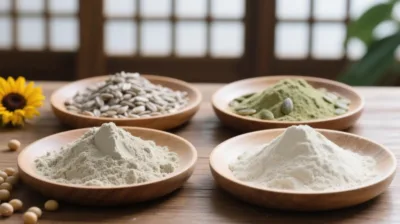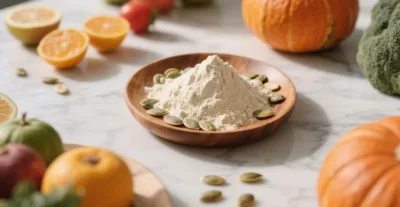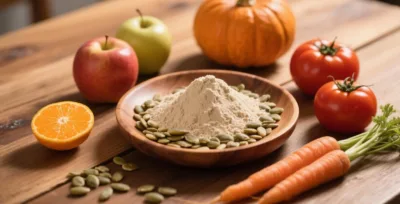
Plant-based protein has gone mainstream as more people move away from conventional whey and soy. Organic pumpkin seed protein powder is one option worth a look: it brings a distinct nutritional profile, though quality swings widely between products. Knowing what to check helps buyers choose well, whether for personal use or food manufacturing.
Nutritional profile advantages
Pumpkin seed protein powder pulls impressive density from a source most people overlook. The seeds run about 30 to 35 percent protein by weight, and the powder concentrates that to 50 to 65 percent depending on how it is processed. Beyond the protein itself, pumpkin seeds carry meaningful amounts of zinc, magnesium, iron, and potassium.
Amino acid composition is what decides protein quality for human nutrition. Pumpkin seed protein offers balanced amino acids, including reasonable levels of the essentials, though it runs slightly lower in lysine than legumes. Pairing it with a complementary protein source closes that gap for complete nutrition.
Zinc is the mineral that sets pumpkin seed protein apart from other plant proteins. It supports immune function, testosterone metabolism, and prostate health, so the powder earns its place beyond plain protein supplementation. Athletes and active people in particular benefit from the recovery support zinc provides.
Magnesium keeps muscles and the nervous system working. Many people fall short of optimal intake, and a protein powder adds a useful amount to the daily total. Alongside the protein, that mineral content raises the overall value of the supplement.
Processing method evaluation
Mechanical pressing removes the oil before protein processing, leaving a protein-rich meal ready for powder. This mechanical route preserves nutritional integrity without exposing the material to chemical solvents. Organic certification requires mechanical processing start to finish.
Fine grinding affects how well the powder digests and mixes. Particle size changes the surface area digestive enzymes can reach, which changes how much protein the body actually absorbs. Good products balance a fine texture for mixability with gentle enough processing.
Temperature control during processing protects heat-sensitive nutrients. Too much heat denatures proteins and breaks down amino acids, lowering nutritional value. Reputable manufacturers watch temperature through the whole run instead of optimizing only for speed.
Fiber content shifts with processing intensity. Whole seed protein keeps fiber along with the protein; defatted isolates strip fiber out with the oil for a more concentrated protein. Decide whether the fiber benefits match your nutritional goals before choosing.
Certification requirements
USDA Organic certification is the baseline quality signal for pumpkin seed protein powder. It verifies farming practices, handling through processing, and final product integrity. Check the current certification in the official database rather than trusting the label claim alone.
Third-party protein testing documents the actual protein content beyond the marketing. Independent lab analysis confirms the protein percentage, amino acid profile, and absence of contaminants. Solid suppliers hand over this documentation on request or through certificates of analysis.
Heavy metal testing deserves extra attention with pumpkin seed products. Pumpkin plants pull cadmium from soil, so testing is essential for safety. Quality suppliers test every batch and provide paperwork confirming heavy metal levels sit within safety standards.
Manufacturing facility certifications signal the quality system behind the product. GMP certification, NSF registration, and similar credentials show a commitment to food safety that goes past ingredient certifications. For food manufacturing sourcing, facility credentials matter as much as ingredient specs.
Flavor and sensory properties
Pumpkin seed protein has a flavor distinct from the more common protein sources. The natural taste carries nutty and slightly sweet notes, with less bitterness than some plant proteins. Flavor varies between products based on the source seeds and how they were processed.
Taste testing reveals quality differences better than an ingredient list ever will. Good products taste pleasant and mild, complementing drinks and foods without needing heavy flavor masking. Excessive bitterness or off-flavors point to quality problems or poor storage.
Mixability affects both convenience and taste. Quality pumpkin seed protein powder blends smoothly in shakers and blenders without heavy clumping. Persistent clumps suggest moisture exposure or degradation, which is grounds to reject the product.
Odor tells you about freshness. Fresh pumpkin seed protein releases a characteristic nutty aroma when opened. Stale, musty, or sour odors signal age or contamination, and the product should be rejected regardless of other quality signs.
Application-specific selection
Smoothie supplementation works well with pumpkin seed protein’s balanced flavor and nutrient profile. The mild taste complements fruit and vegetable mixes without dominating them. Combined with hemp protein, pumpkin seed contributes complementary amino acids for a stronger nutritional profile.
Baking tolerates pumpkin seed protein’s distinctive flavor better than drinking it straight. Energy bars, cookies, and protein-enhanced baked goods mask the subtle flavor while delivering the nutrition. Protein fortification goals line up neatly with baking.
Meal replacement formulas benefit from the mineral content alongside the protein. The zinc and magnesium raise meal replacement completeness past simple protein supplementation. Combined with other protein sources, pumpkin seed protein adds welcome nutritional diversity.
Post-workout recovery weighs protein quality against convenience. Whey absorbs faster, but pumpkin seed protein gives a steadier amino acid release along with recovery-supporting minerals. Blending protein sources covers both immediate and sustained recovery needs.
Storage and shelf life
Packaging quality drives shelf stability more than most buyers expect. Resealable bags with moisture barriers protect powder quality through the consumption period. Clear expiration dating sets expectations for keeping the product at its best.
Proper storage extends usable life. Room temperature works for unopened packages within the expiration window. Refrigeration after opening preserves flavor and nutrition, which matters most in warm or humid climates.
Bulk purchasing saves money when the consumption rate justifies the volume. Freezing bulk quantities extends shelf life substantially, so regular users can save without losing quality. Portion packaging makes defrosting convenient.
Expiration date assessment takes judgment past the calendar. Products showing moisture damage, odd odor, or appearance changes should be rejected no matter what the date says. Sensory evaluation backs up date-based assessment.
Cost considerations
Organic pumpkin seed protein carries premium pricing that reflects production volumes and processing needs. Lower demand than whey or soy means fewer economies of scale. The premium reflects genuine production cost rather than marketing positioning.
Price-per-protein-gram calculations enable fair cost comparisons. Divide the product price by the protein grams per container to compare across different concentrations and package sizes.
Value assessment looks at nutritional complexity, not just protein content. Zinc, magnesium, fiber, and the amino acid profile all shape overall nutritional value beyond crude protein numbers. Higher-priced organic products can deliver better overall value despite a higher per-gram protein cost.
Supplier relationships unlock competitive pricing for regular buyers. Manufacturing and food service purchasers gain from established supplier relationships and volume commitments. Consumer buyers can catch promotional pricing and bulk discount opportunities.
Red flags and quality concerns
Unusually low prices should raise suspicion for organic protein products. Production costs stay fairly consistent across suppliers, so dramatically lower prices hint at certification problems, quality cuts, or near-expiry clearance stock.
Missing documentation should trigger rejection. Quality suppliers provide certificates of analysis, certification verification, and complete product information without hesitation. Reluctance to share paperwork is a warning sign.
Inconsistent quality across purchases signals supplier reliability problems. Even an excellent first product becomes questionable when later purchases vary. Batch-to-batch consistency matters for both consumer confidence and manufacturing use.
Third-party verification gives objective quality assurance beyond supplier claims. NSF, USP, and similar certifications confirm quality systems and product testing. Unverified products lack outside confirmation no matter how the supplier markets them.
Strategic selection against these criteria keeps organic pumpkin seed protein powder choices matched to specific nutritional needs and application requirements. The distinctive properties of pumpkin seed protein offer real advantages for buyers who know what to check. HEMPLAND supplies organic pumpkin seed protein powder that meets the quality benchmarks outlined above, with lab-tested nutritional data available.
Related Posts