Heart disease remains one of the leading health concerns worldwide, and cholesterol sits at the center of that conversation. When doctors talk about cholesterol, they usually mean two types that behave very differently inside your body. LDL cholesterol, the so-called “bad” kind, can build up along artery walls, forming plaque that restricts blood flow and raises the risk of heart attacks and strokes. HDL cholesterol, the “good” kind, carries excess cholesterol away from your arteries and back to the liver, where it gets processed and removed. Keeping those two in healthy balance is one of the most important things you can do for long-term cardiovascular wellness.
Diet is a powerful lever in that equation. Genetics matter, and so do exercise and stress management, but the food you eat every day shapes your cholesterol profile too. Among nutrient-dense options, hemp seeds have drawn growing attention for their particular mix of heart-supportive fats, plant compounds, and minerals. What does the science actually say about them? Let us look at what hemp seeds contain, how those components interact with cholesterol, and how to work them into a heart-healthy eating pattern.
The heart-healthy fats in hemp seeds
One of the strongest arguments for hemp seeds in cholesterol management is their fatty acid composition. Hemp seeds contain roughly 30 percent oil by weight, and that oil delivers a distinctive blend of essential fatty acids the human body cannot make on its own.
Omega-3 (ALA) and its role in cholesterol reduction
Hemp seeds are a notable plant source of alpha-linolenic acid (ALA), an omega-3 fatty acid that serves as a precursor to the longer-chain omega-3s EPA and DHA found in fish oil. Conversion from ALA to EPA and DHA runs relatively low in humans, yet ALA itself has been associated with cardiovascular benefits. Research suggests ALA intake may contribute to omega-3 cholesterol reduction by helping lower triglyceride levels and supporting healthy arterial function. Observational studies have linked diets rich in ALA-containing foods, including hemp seeds, flaxseeds, and walnuts, to reduced cardiovascular event risk.
Then there is balance. The omega-6 to omega-3 ratio in the modern Western diet often exceeds 15:1, far above the recommended range of roughly 4:1 or lower. Hemp seeds come in at approximately 3:1 to 4:1, much closer to what researchers believe the human body evolved to process. The ratio matters because excessive omega-6 relative to omega-3 can promote inflammatory pathways, while a balanced intake supports the body’s natural anti-inflammatory responses.
Omega-6 (GLA): a rare and valuable fatty acid
Not all omega-6 fatty acids behave the same way. Hemp seeds contain gamma-linolenic acid (GLA), a rare omega-6 that sets hemp apart from most other seed and nut sources. GLA is worth noticing because, unlike common omega-6 fatty acids such as linoleic acid that can promote inflammation in excess, GLA converts inside the body into anti-inflammatory compounds called prostaglandins. Specifically series-1 prostaglandins, which help regulate inflammation, blood vessel constriction, and platelet aggregation, all relevant to cardiovascular health.
That dual presence of ALA and GLA makes hemp seeds an unusually well-rounded source of essential fatty acids for the heart. Readers curious about how hemp seed oil specifically supports cardiovascular function can dig deeper in our article on hemp seed oil for heart health, which covers the oil’s fatty acid profile in detail.
Phytosterols: plant compounds that block cholesterol absorption
Fatty acids aside, hemp seeds also contain plant sterols, better known as phytosterols. Structurally similar to cholesterol but functioning quite differently, the plant sterols hemp seeds provide compete with dietary cholesterol for absorption in the intestinal tract. With phytosterols present in the gut, less dietary cholesterol makes it into the bloodstream. This mechanism is well established; it is exactly why many functional foods and supplements add phytosterols as a cholesterol-lowering ingredient. Hemp seeds carry these compounds naturally, offering a whole-food source rather than an isolated pill.
What research says about hemp seeds and cholesterol
Do hemp seeds lower cholesterol? The honest answer points toward supportive mechanisms rather than dramatic, direct reduction on their own. Several pathways work together to create favorable conditions for healthy cholesterol levels.
A multi-pathway approach to cholesterol support
First, phytosterols reduce absorption of dietary cholesterol in the intestines, as described above. Second, the omega-3 ALA content may help lower triglyceride levels and support a healthier LDL-to-HDL ratio. Third, GLA converts into anti-inflammatory prostaglandins that help dampen vascular inflammation, a key factor in how cholesterol plaque forms and progresses. These mechanisms operate on different parts of the cholesterol picture: absorption, circulating lipid levels, and the inflammatory environment that makes cholesterol dangerous in the first place.
Hemp hearts cholesterol research remains an emerging field. Large-scale randomized controlled trials specifically on hemp seeds and cholesterol are limited, though each individual mechanism, phytosterol-mediated absorption blocking, ALA-associated triglyceride reduction, and GLA-driven anti-inflammatory pathways, has documented scientific support. Combined in one food, they offer a synergistic approach consistent with broader dietary strategies for cardiovascular wellness.
What this means in practical terms
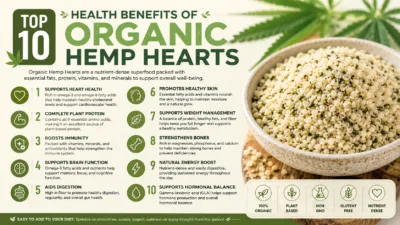
Frame the findings realistically. Hemp seeds are not a standalone cholesterol cure. No single food replaces a comprehensive approach covering dietary patterns, physical activity, and, where appropriate, medical guidance. Added to an already heart-conscious diet, however, they may contribute meaningfully to the overall picture. Both observational data and mechanistic studies suggest regular consumption of foods rich in ALA, GLA, and phytosterols supports healthier blood lipid profiles over time. For the full nutritional spectrum beyond cholesterol, our piece on the top 10 health benefits of organic hemp hearts provides a comprehensive overview.
How hemp seeds may support blood pressure
Cholesterol and blood pressure travel together in cardiovascular health. Elevated LDL cholesterol damages arterial walls, making them less flexible and more resistant to blood flow, which pushes blood pressure up. Healthy blood pressure, in turn, reduces mechanical stress on arterial walls and limits the progression of cholesterol-related plaque.
GLA’s contribution to vascular health
The GLA in hemp seeds may support blood pressure through conversion to prostaglandin E1 (PGE1), which helps relax blood vessel walls and reduce platelet stickiness. Relaxed, flexible vessels let blood flow more easily, and the heart does not need to pump as hard to circulate it. That relaxation effect is one reason researchers have explored GLA supplementation in contexts related to hypertension and vascular function.
Magnesium: a mineral critical for blood pressure regulation
Hemp seeds are also an excellent magnesium source, providing approximately 300 milligrams per 100 grams, roughly 75 percent of the daily recommended intake for most adults. Magnesium plays a direct role in regulating vascular tone and supporting healthy blood pressure. Studies consistently show adequate magnesium intake correlating with lower blood pressure readings, and many adults fall short of recommended levels. So hemp seeds and blood pressure may be linked twice over: through GLA’s prostaglandin pathway and through the mineral content that keeps vascular function on track.
Incorporating hemp seeds into a heart-healthy diet
Knowing the science helps, but knowing what to put on the plate matters more. HEMPLAND organic hemp hearts are the shelled inner portion of the hemp seed, and they are particularly convenient: soft texture, mild nutty flavor, and compatibility with a wide range of dishes.
Practical serving suggestions
A typical serving of three tablespoons (about 30 grams) of hemp hearts delivers roughly 10 grams of protein, 10 grams of omega-rich fat, plus meaningful amounts of magnesium, iron, and zinc. Straightforward ways to add that serving to your day:
- Morning oatmeal or yogurt bowls: sprinkle hemp hearts over breakfast for an easy upgrade. The nutty flavor pairs well with fruit, honey, or cinnamon.
- Smoothies: blend them directly into fruit or green smoothies. They add creaminess and a protein boost without changing the dominant flavor.
- Salad toppings: toss over leafy greens alongside other heart-friendly ingredients like olive oil, avocado, and walnuts.
- Soups and stews: stir into warm dishes just before serving. They soften slightly and disappear into the texture.
- Homemade granola or energy bars: combine with oats, dried fruit, and a touch of honey or maple syrup for a nutrient-dense snack.
Pairing hemp seeds with other heart-healthy foods
Cholesterol management works best when supportive foods combine forces. Pair hemp hearts with other recognized options: oats (whose beta-glucan fiber also helps lower cholesterol absorption), oily fish for direct EPA and DHA intake, legumes, olive oil, and plenty of colorful vegetables. Diverse, nutrient-rich patterns similar to Mediterranean or DASH-style diets provide the broadest foundation for cardiovascular health, and hemp seeds slot right in, adding fatty acids and minerals that complement what the other foods offer.
Who should be cautious
Hemp seeds are widely regarded as safe for most people. A few situations call for extra care, though.
Blood thinners and anticoagulant medications
The omega-3 fatty acids in hemp seeds have mild blood-thinning properties. For most people that is a benefit: reduced platelet aggregation and healthier circulation. If you take anticoagulant medications such as warfarin or clopidogrel, adding significant amounts of omega-3-rich food could amplify the medication’s effects. Check with your healthcare provider before making hemp seeds a daily staple if you are on these medications.
Allergy considerations
Hemp seed allergies are rare but documented. Anyone with known sensitivities to seeds or nuts should introduce hemp hearts cautiously, starting small and watching for adverse reactions. With a confirmed seed or nut allergy, speak with an allergist first.
Medication interactions beyond blood thinners
Because hemp seeds influence lipid metabolism and inflammatory pathways, anyone taking cholesterol-lowering medications (statins or fibrates, for example) or blood pressure medications should tell their doctor about regular hemp seed consumption. Not because hemp seeds are inherently problematic, but because dietary shifts touching the same biological pathways as prescription drugs deserve professional oversight.
Hemp seeds and cholesterol: the takeaway
The relationship between hemp seeds and cholesterol rests on several well-understood nutritional mechanisms. Phytosterols block dietary cholesterol absorption in the gut. Omega-3 ALA may contribute to lower triglycerides and a healthier LDL-to-HDL ratio. Rare omega-6 GLA converts to anti-inflammatory prostaglandins that ease vascular inflammation and may support healthier blood pressure. Put together, these make hemp seeds a natural fit for heart-conscious eating patterns.
No single food replaces the broader lifestyle and medical strategies real cholesterol management requires. As a nutrient-dense addition to an already thoughtful diet, though, few plant foods bring the distinctive set of heart-supportive properties hemp seeds offer. HEMPLAND organic hemp hearts make those properties easy to access in a convenient form that works across breakfast, lunch, dinner, and snacks. For anyone seeking a whole-food route to better cardiovascular nutrition, they deserve serious consideration.
Contact us for more information about our organic hemp hearts products.
Recommended Products
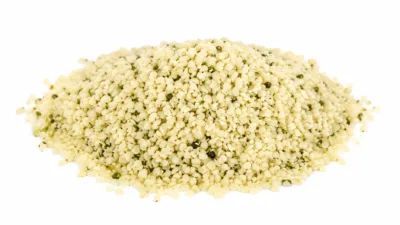
Organic Hemp Hearts
Available in < 5%, 5–10%, 10–15%, 15–20% Green Skin and customized. All specifications support…
Related Posts