When it comes to plant-based protein powders, two popular options stand out: Organic Pumpkin Seed Protein Powder and pea protein. Both are widely used in sports nutrition, functional foods, and meal replacements, but they differ significantly in nutrition, digestibility, and versatility. Whether you call it pepita protein powder, raw pumpkin protein, or cold-pressed pumpkin seed protein, pumpkin protein is emerging as a strong competitor to pea protein — and for good reason.
1. Protein Quality and Amino Acid Profile
- Organic pumpkin seed protein powder contains all nine essential amino acids, making it a complete protein source. It is naturally rich in branched-chain amino acids (BCAAs), which support muscle recovery and growth.
- Pea protein, while high in protein content, is low in methionine, meaning it often needs to be blended with other proteins to achieve a complete amino acid profile.
Verdict: If you’re looking for a single-source, complete plant protein, pepita protein powder has the advantage.
2. Digestibility and Allergen-Friendly Profile
- Pumpkin seed protein powder is naturally hypoallergenic, free from common allergens like soy, dairy, and gluten. Its gentle digestibility makes it suitable for people with sensitive stomachs.
- Pea protein is also generally well-tolerated, but some users report bloating and gas due to its higher content of certain oligosaccharides.
Verdict: Cold-pressed pumpkin protein tends to be easier on digestion for most people.
3. Taste and Versatility
- Raw pumpkin protein has a mild, nutty flavor that blends well into smoothies, baked goods, and protein bars.
- Pea protein has a more earthy, slightly bitter taste that can overpower certain recipes unless masked with sweeteners or flavors.
Verdict: For cleaner flavor and easier formulation, organic pumpkin seed protein powder is often preferred.
4. Micronutrient Content
Organic pepita protein powder provides a broader range of micronutrients compared to pea protein:
- Magnesium for energy metabolism
- Zinc for immune and hormonal health
- Iron for oxygen transport
- Omega-3 fatty acids for heart and brain health
Pea protein, while rich in protein, lacks these additional nutrients.
5. Sustainability and Clean Label Advantage
Both proteins are plant-based and environmentally friendly, but organic pumpkin seed protein offers additional benefits:
- Sourced from organic, non-GMO pumpkin seeds
- Cold-pressed to retain nutrients
- Meets clean-label standards, ideal for premium functional foods
Conclusion
While pea protein remains a popular option, organic pumpkin seed protein powder — also known as pepita protein, raw pumpkin protein, or cold-pressed pumpkin protein — delivers complete nutrition, better digestibility, and a milder flavor. For brands developing sports nutrition products, functional beverages, or clean-label snacks, pumpkin protein is a versatile and premium plant-based ingredient.
Recommended Product
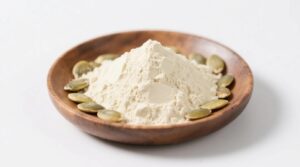
Organic Pumpkin Seed Protein Powder
Organic pumpkin seed protein powder offers ≥60% protein with unique sleep support, prostate health, and…