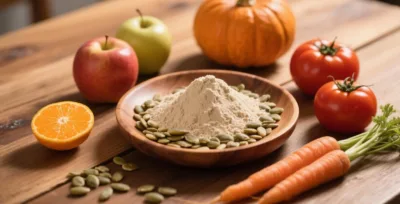
Organic seed hearts rarely get top billing, yet they keep turning up everywhere from granola to baby food. Also known as shelled seeds, seed kernels, or seed meats, they are the edible cores of seeds with the outer hull stripped away: the tender, flavorful inside. Call them seed nuggets, seed cores, or raw seed hearts, the appeal stays the same. Dense plant nutrition, real kitchen versatility, and a light footprint on the land.
—
What are organic seed hearts?
Organic Seed Hearts, sometimes labeled decorticated seeds, seed kernels, or hull-free seeds, are the soft inner parts of seeds from plants like pumpkin, sunflower, hemp, or watermelon. Removing the tough outer shell leaves a delicate, buttery texture that is easy to eat and gentler to digest than whole seeds.
Key varieties & names:
- Pumpkin Seed Hearts (Pepitas)
- Sunflower Seed Kernels
- Hemp Seed Hearts (Shelled Hemp Seeds)
- Watermelon Seed Meats
- Chia Seed Cores (less common, as chia is typically consumed whole)
—
5 reasons to fall in love with organic seed hearts
1. Nutrient-Dense Superfood Status
These seed kernels deliver:
- Plant-Based Protein: 8-10g per serving for muscle repair and energy.
- Healthy Fats: Omega-3s, omega-6s, and monounsaturated fats for heart and brain health.
- Fibre & minerals: contains magnesium, zinc, iron, and phosphorus.
2. Allergy-Friendly & Digestible
Free from gluten, dairy, and nuts, shelled seeds are gentle on sensitive stomachs and fit most dietary needs.
3. Culinary Versatility
Their mild, nutty flavor and crunchy-soft texture make them easy to work into:
- Smoothie Bowls: Sprinkle seed hearts on acai bowls or oatmeal.
- Baking: Fold into bread, muffins, or energy bars.
- Savory Dishes: Toss into salads, stir-fries, or grain bowls.
- Snacking: Enjoy raw, roasted, or seasoned.
4. Sustainability Champion
Seed-bearing plants like pumpkin and sunflower require minimal water and help regenerate soil. Hulling reduces food waste too, since the entire seed finds a use.
5. Kid- & Pet-Friendly
Perfect for lunchboxes or as a topping on kids’ yogurt. Even pets enjoy seed kernels as a nutritious add-on to their meals.
—
Health benefits of organic seed hearts
- Contains omega-3 ALA; ALA contributes to the maintenance of normal blood cholesterol levels.
- Brain Boost: Fatty acids support focus and cognitive function.
- Hormonal Balance: Zinc and iron back metabolism and energy.
- Skin & Hair Glow: Vitamin E and antioxidants support skin repair and strand strength.
—
Certified organic and ethically sourced
Worth looking for on the label: USDA Organic, Non-GMO, Vegan & Cruelty-Free, and Fair-Trade Certified, plus eco-packaging such as recyclable pouches or compostable containers.
—
How to use seed hearts: creative ideas
- Trail Mix: Combine with dried fruit and dark chocolate.
- Seed Butter: Blend into creamy, homemade nut-free spreads.
- Plant-Based Parmesan: Pulse with nutritional yeast and garlic.
- Smoothie Thickener: Add to shakes for extra protein and texture.
—
FAQ: quick answers
Q: Are seed hearts the same as seed kernels? A: Yes. Terms like seed hearts, kernels, or meats all refer to the soft, hull-free inner part.
Q: Can I eat them raw? A: Absolutely. Raw, roasted, or sprouted all work, and sprouting maximizes nutrition.
Q: Are they safe for nut allergies? A: They are seeds, not tree nuts, but check labels for cross-contamination warnings.
Q: How long do they last? A: Store in a cool, dark place for up to 6 months, or refrigerate for extra freshness.
—
Recommended Products

Organic Sunflower Seed Kernels
Premium, hulled kernels from organically grown sunflowers, offering a deliciously mild, nutty flavor and…
Related Posts