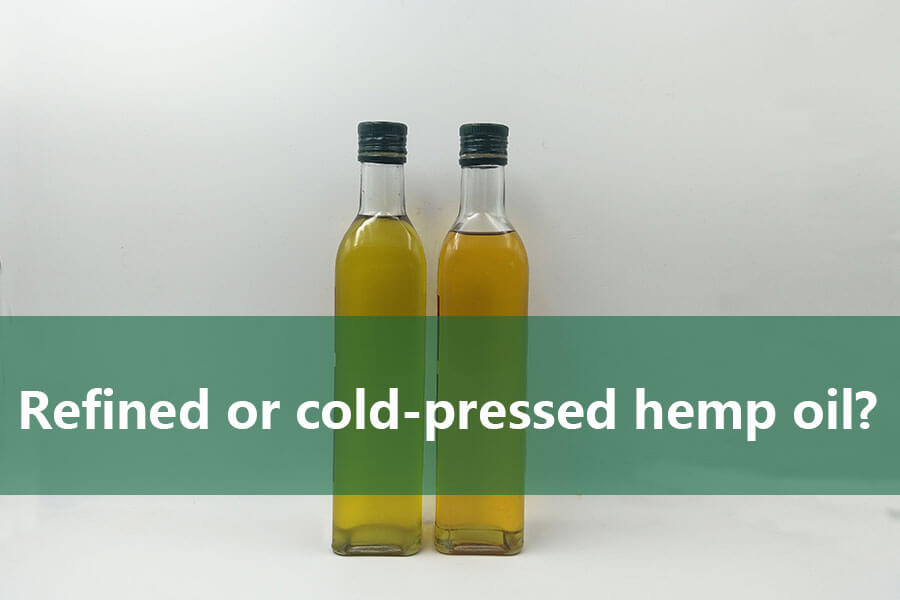
Hemp seed oil is a nutritional powerhouse, but not all bottles are created equal. The choice between organic refined hemp seed oil and organic cold-pressed hemp seed oil boils down to processing, flavor, and purpose. Let’s decode their differences, uncover which one suits your needs, and why “organic” is non-negotiable for both.
The Core Difference: Processing Methods
| Factor | Organic Cold-Pressed Hemp Oil | Organic Refined Hemp Oil |
|---|---|---|
| Extraction | Mechanically pressed at low temps (<104°F) | Chemically processed (hexane-free refining) |
| Nutrient Retention | High (preserves antioxidants, chlorophyll) | Lower (some nutrients lost in refining) |
| Color & Flavor | Dark green, earthy, nutty | Light yellow, neutral taste |
| Smoke Point | 330°F (raw use only) | 450°F (safe for frying, baking) |
Cold-Pressed Hemp Oil: The Raw Nutrient King
Best For:
- Raw Consumption: Drizzled on salads, dips, or smoothies.
- Skincare: Retains vitamin E and omega-3s to soothe eczema and acne.
- Hair Care: Adds shine and reduces scalp inflammation.
Pros:
- Rich in Chlorophyll: Detoxifies blood and boosts iron absorption.
- High in Gamma-Linolenic Acid (GLA): Fights hormonal acne and arthritis pain.
Cons:
- Not for Cooking: Heat destroys its delicate nutrients.
- Short Shelf Life: 6–12 months (store in the fridge).
Refined Hemp Oil: The Kitchen Workhorse
Best For:
- High-Heat Cooking: Sautéing, stir-fries, or baking at 450°F.
- Lightweight Moisturizing: Less greasy than cold-pressed for oily skin.
- Massage Oils: Neutral scent won’t clash with essential oils.
Pros:
- Longer Shelf Life: 1–2 years (no refrigeration needed).
- Mild Flavor: Won’t overpower dishes like curry or roasted veggies.
Cons:
- Fewer Antioxidants: Loses some vitamin E and polyphenols during refining.
- Less Earthy “Hempy” Flavor: Not ideal for bold dressings.
Nutrient Showdown: Cold-Pressed vs. Refined
| Nutrient (per tbsp) | Cold-Pressed | Refined |
|---|---|---|
| Omega-3 (ALA) | 2,800mg | 2,500mg |
| Omega-6 (LA) | 8,000mg | 7,800mg |
| Vitamin E | 3.8mg (25% DV) | 1.2mg (8% DV) |
| Chlorophyll | Present | None |
| Calories | 120 | 120 |
Why “Organic” Matters for Both
Hemp plants absorb toxins from soil like a sponge. Non-organic oils risk containing:
? Pesticides (glyphosate, neonicotinoids)
? Heavy Metals (lead, cadmium).
Certified organic hemp oil guarantees:
✅ Clean Extraction: No hexane or bleach in refining.
✅ Non-GMO Seeds: Preserves natural nutrient ratios.
✅ Eco-Friendly Farming: Hemp regenerates soil and sequesters CO2.
How to Choose: Cold-Pressed or Refined?
- Prioritize Nutrition? → Cold-Pressed (raw use).
- Need High Heat? → Refined (cooking/baking).
- Skin & Hair Focus? → Cold-Pressed (topical).
- Neutral Taste? → Refined (discreet in recipes).
Pro Tip: Buy both! Use cold-pressed for wellness rituals and refined for daily cooking.
FAQs
Q: Can I substitute refined hemp oil for olive oil?
A: Yes! It has a higher smoke point and milder taste.
Q: Does refining remove all omega-3s?
A: No—refined retains 90% of omegas but loses heat-sensitive antioxidants.
Q: Which is better for dogs?
A: Cold-pressed (drizzle on food) for maximum anti-inflammatory benefits.
Q: Why does cold-pressed taste grassier?
A: Chlorophyll and plant pigments preserved during pressing.
Organic cold-pressed hemp oil and organic refined hemp oil are two sides of the same coin—each excels in different arenas. Whether you’re a raw food fanatic, a skincare junkie, or a sauté savant, there’s a hemp oil tailored to your lifestyle. By choosing organic, you ensure purity, potency, and planet-friendly practices.
Stock your pantry with both certified organic hemp oils and unlock their full potential. Drizzle, fry, or glow your way to holistic health.
Recommended Product
Organic Hemp Seed Oil
Available in cold pressed hemp seed oil, refined hemp seed oil, hemp heart oil and…