Clicky

Why Do We Need to Eat Hemp Protein Powder? A Science-Based Guide for Consumers and Industry Professionals

Hemp protein powder, derived from cold-pressed industrial hemp seeds (Cannabis sativa L.), is rapidly gaining recognition as one of the most nutritionally complete plant-based proteins available on the global market. Unlike many conventional protein supplements, hemp protein delivers a unique combination of complete essential amino acids, highly digestible protein fractions, a naturally balanced omega-6/omega-3 fatty acid ratio, and meaningful dietary fiber — all within a single, minimally processed ingredient.

Key Findings:

  • Hemp protein powder contains 70–80% protein with digestibility of 91–98%
  • Contains all nine essential amino acids, including rare sulfur-containing amino acids (methionine + cysteine)
  • Naturally balanced omega-6/omega-3 ratio of approximately 3:1 — the dietary gold standard
  • Rich in fiber, magnesium, phosphorus, iron, zinc, and vitamin E
  • Legal, non-psychoactive food ingredient across the US, EU, Canada, China, and Australia/NZ

1. What Is Hemp Protein Powder?

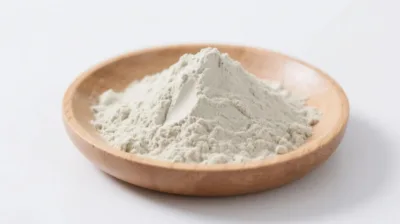
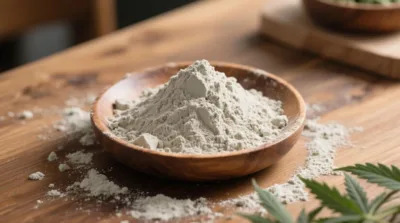
Hemp protein powder is produced by cold-pressing industrial hemp seeds to extract the oil, then milling and sieving the remaining press cake into a fine, shelf-stable powder. The result is a high-protein, fiber-rich ingredient that retains much of the seed’s original nutritional complexity.

1.1 From Seed to Powder: The Production Process

StageProcessKey Outcome
CleaningRemoval of hulls and foreign matterEnsures food-grade purity
Cold PressingMechanical oil extraction at ≤40°CPreserves heat-sensitive nutrients
DryingMoisture reduction to ≤8%Ensures shelf stability
MillingHammer or roller millingAchieves target particle size
Sieving200–400 mesh classificationControls fiber/protein ratio
TestingTHC, heavy metals, microbial, allergensEnsures regulatory compliance

HEMPLAND produces hemp protein from organically certified industrial hemp cultivated in China’s Shaanxi Province. The entire supply chain — from seed to finished ingredient — is vertically integrated and fully traceable.

1.2 Macronutrient Composition by Grade

NutrientHemp Protein 70%Hemp Protein 75%Hemp Protein 80%
Protein≥70 g≥75 g≥80 g
Total Fat~8 g~6 g~4 g
Dietary Fiber~8 g~6 g~5 g
Carbohydrates~10 g~9 g~8 g
Moisture≤8 g≤8 g≤8 g
Energy~380 kcal~375 kcal~368 kcal

Data Sources: USDA FoodData Central, Callaway (2004), House et al. (2010)


2. Scientific Characteristics of Hemp Protein

2.1 Protein Composition and Structure

Hemp seed protein consists primarily of two naturally occurring storage proteins:

Edestin — 65% of Total Protein

  • Characteristics: A hexameric globulin structurally similar to human blood immunoglobulins
  • Functions:
    • Promotes antibody synthesis and supports immune function
    • Exceptionally high solubility, readily digested and absorbed
    • Rich in all essential amino acids
  • Scientific Significance: Edestin is unique to hemp seeds among all major protein crops. Its structural similarity to human globulins is widely considered a primary factor in hemp protein’s exceptional bioavailability

Albumin — 33% of Total Protein

  • Characteristics: A water-soluble, lower molecular-weight protein
  • Functions:
    • Rapid digestion and absorption (digestibility >95%)
    • Abundant in branched-chain amino acids (BCAAs)
    • Supports muscle synthesis and post-exercise repair

2.2 Amino Acid Profile Analysis

Hemp seed protein contains all nine essential amino acids — a distinction shared by only a handful of plant proteins. The table below compares essential amino acid content against FAO/WHO reference values (mg/g protein):

Essential Amino AcidHemp ProteinFAO/WHO ReferenceAchievement Rate
Histidine2715180%
Isoleucine4730157%
Leucine7159120%
Lysine424593% ⚠️
Methionine + Cysteine3722168%
Phenylalanine + Tyrosine7938208%
Threonine3723161%
Tryptophan126200%
Valine5139131%

Key Findings:

  • ✅ 8 of 9 essential amino acids exceed FAO/WHO requirements at 120–208%
  • ⚠️ Lysine is slightly below reference (93%), but still superior to most grain proteins
  • ✅ Exceptionally rich in sulfur-containing amino acids (methionine + cysteine) — a rare advantage over pea and soy proteins

Data Sources: House et al. (2010), Mattila et al. (2018), FAO/WHO (2013)

organic hemp protein

2.3 Protein Quality Scores

PDCAAS (Protein Digestibility-Corrected Amino Acid Score) is the internationally recognized standard for evaluating protein quality, with 1.0 being the maximum score:

Protein SourcePDCAAS ScoreNotes
Egg Protein1.00Gold standard reference
Whey Protein1.00Fast-absorbing dairy protein
Casein1.00Slow-release dairy protein
Soy Protein0.91Lysine-limiting
Hemp Seed Protein0.85–0.90Approaches animal protein quality
Pea Protein0.78Methionine-limiting
Wheat Protein0.42Severely lysine-deficient

Scientific Evaluation: With a PDCAAS of 0.85–0.90, hemp protein ranks second only to soy among commercially available plant proteins — significantly above pea, rice, and wheat protein concentrates.


3. The Omega Fatty Acid Advantage

Even in its protein powder form, hemp retains meaningful quantities of biologically active lipids that contribute significantly to its health profile.

3.1 The Optimal 3:1 Omega-6 to Omega-3 Ratio

The linoleic acid (LA, omega-6) to alpha-linolenic acid (ALA, omega-3) ratio in hemp is approximately 3:1, which aligns closely with the dietary ratio recommended by major nutritional authorities:

Fatty Acid ParameterHemp Protein (70%)Flaxseed ProteinSoy ProteinWhey Protein
Omega-6/Omega-3 ratio~3:1~1:4 (reversed)~7:1Trace only
GLA (gamma-linolenic acid)PresentAbsentAbsentAbsent
ALA (omega-3)PresentHighLowAbsent

Data Sources: Simopoulos (2002), Callaway (2004)

Why this ratio matters: The modern Western diet carries an omega-6/omega-3 ratio of 15:1 to 20:1, a dietary imbalance strongly linked to chronic low-grade inflammation, cardiovascular disease, and metabolic disorders (Simopoulos, 2016). Hemp protein’s inherent 3:1 ratio actively counteracts this imbalance — no reformulation required.

3.2 Gamma-Linolenic Acid (GLA): A Rare Anti-Inflammatory Bonus

Hemp is one of the few commercially available plant sources containing gamma-linolenic acid (GLA) — an omega-6 fatty acid with distinct anti-inflammatory properties. Unlike conventional linoleic acid, GLA is a precursor to prostaglandin E1 (PGE1), which supports immune regulation, vascular tone, and inflammatory control.


4. Dietary Fiber: An Underrated Benefit

Depending on the protein grade, hemp protein powder contains 5–12% dietary fiber — a meaningful functional advantage over animal proteins and many refined plant proteins.

Fiber Health BenefitMechanismSupporting Evidence
Reduces constipation riskInsoluble fiber increases stool bulk and transit speedEFSA Panel (2010)
Supports cardiovascular healthSoluble fiber reduces LDL cholesterol reabsorptionAnderson et al. (2009)
Reduces type 2 diabetes riskSlows glucose absorption, improves insulin sensitivityWeickert & Pfeiffer (2008)
Reduces diverticular disease riskPromotes healthy colonic microenvironmentPeery et al. (2012)
Supports gut microbiomePrebiotic fermentation promotes short-chain fatty acid productionSonnenburg & Bäckhed (2016)

Because of its high fiber content, hemp protein powder contributes meaningfully to reduced risk of constipation, heart disease, type 2 diabetes, and diverticulosis — benefits rarely associated with conventional protein supplements.


5. Evidence-Based Health Benefits

5.1 Anti-Fatigue and Energy Metabolism

Hemp protein is rich in magnesium (a cofactor in over 300 enzymatic reactions) and phosphorus (essential for ATP synthesis), both of which are directly involved in cellular energy production. Studies have demonstrated that adequate magnesium intake is associated with reduced perception of fatigue and improved physical performance (Simopoulos, 2016).

5.2 Immune System Support

Edestin’s structural similarity to human immunoglobulins (blood globulins) is a functionally significant characteristic. Dietary edestin may support the body’s capacity for antibody synthesis, and hemp protein’s high arginine content supports T-cell proliferation and macrophage function in preclinical models (Callaway, 2004).

5.3 Kidney-Protective Properties

Hemp protein has a relatively low purine content compared to animal proteins and shows low accumulation of nitrogenous metabolic waste. Emerging research suggests it may be a suitable protein source for individuals with mild kidney stress or those seeking lower-purine dietary options (Yin et al., 2008).

5.4 Cardiovascular Health

Three distinct mechanisms support hemp protein’s cardiovascular profile:

  • Arginine content: Hemp is among the richest plant sources of arginine, the amino acid precursor to nitric oxide — a potent vasodilator that supports healthy blood pressure regulation
  • Omega-3 fatty acid contribution: Retained ALA supports anti-inflammatory signaling in the vascular endothelium
  • Fiber-mediated cholesterol reduction: Soluble fiber reduces enteric LDL cholesterol reabsorption

Research Support: Prociuk et al. (2008) demonstrated that hemp seed consumption improves lipid profiles and reduces cardiovascular disease risk markers in clinical subjects.

5.5 Sustainability Advantages

Environmental MetricHemp ProteinSoy ProteinBeef Protein
Water Footprint (L/kg protein)300–5002,000–3,00015,000–20,000
Carbon Footprint (kg CO₂/kg protein)1.5–2.53–550–100
Land Efficiency (kg protein/hectare)500–800400–60050–100

Hemp protein has a substantially lower environmental footprint than both soy and animal proteins, aligning with global Sustainable Development Goals (SDGs) and the growing consumer preference for climate-conscious food choices.


6. Market Drivers and Consumer Trends

6.1 The Plant-Based Protein Revolution

The global plant-based protein market was valued at USD 14.5 billion in 2023 and is projected to reach USD 24.1 billion by 2030 (CAGR: 7.5%, Grand View Research, 2024). Hemp protein sits at the intersection of several converging macro-trends:

Market TrendHemp Protein Advantage
Plant-based diet adoptionComplete protein, no major allergens
Clean label formulationMinimal processing, recognizable single ingredient
Gut health focusNatural prebiotic fiber retained
Sustainability preferenceLow water, land, and carbon footprint
Sports nutrition diversificationBCAAs + complete EAA profile
Millennial/Gen Z valuesEnvironmental alignment + functional nutrition

6.2 The Role of Legalization in Market Growth

The legalization of industrial hemp has been a critical driver of market expansion worldwide:

RegionKey LegislationMarket Status
ChinaIndustrial Hemp Standard GB/T 2017Legal, regulated by province
CanadaIndustrial Hemp Regulations (IHR)Legal since 1998; world’s #1 producer/exporter
United States2018 Farm BillLegal federally; FDA/USDA regulated
European UnionEU Regulation 2018/848Legal; THC ≤0.2%
Australia/NZFood Standards AmendmentLegal since November 12, 2017 — market quadrupled within 3 years

The Australian and New Zealand government’s approval of hemp seeds as human food in November 2017 is a textbook example of how regulatory normalization unlocks latent consumer demand: the market nearly quadrupled in size within three years of legalization.

Among health supplement categories, hemp protein is particularly well-positioned within the vitamins and dietary supplements segment, which holds the largest share of the global wellness market. Its dual appeal — functional nutrition and environmental responsibility — resonates strongly with consumers born between 1982 and 2000, who represent the primary growth demographic for alternative proteins.


7. Applications in Food, Beverage, and Supplement Formulation

7.1 Functional Food Applications

Application AreaProduct FormsKey Advantages
Sports NutritionProtein shakes, post-workout powders, energy barsComplete EAAs, BCAAs, fast-absorbing albumin fraction
Meal ReplacementHigh-protein meal replacement bars and powdersProtein + fiber satiety combination
Functional BeveragesPlant-based milk, functional drinks, smoothiesGood emulsification, neutral-to-nutty flavor
Baked GoodsProtein cookies, muffins, bread, pastaIncreases protein content, improves texture
Plant-Based MeatBurger patties, nuggets, sausage alternativesHigh protein, allergen-free, competitive texture
Dietary SupplementsCapsules, tablets, stick packsConvenient delivery, complete amino acid profile

7.2 Technical Specifications

HEMPLAND Hemp Seed Protein Product Specifications:

Product NameProtein ContentProcessing MethodRecommended Applications
Organic Hemp Protein 70%≥70%Cold-pressed + low-temperature millingSports nutrition, food fortification
Organic Hemp Protein 75%≥75%Cold-pressed + microfiltrationProtein beverages, energy bars
Organic Hemp Protein 80%≥80%Cold-pressed + ultrafiltrationPremium sports nutrition, medical nutrition
Conventional Hemp Protein 70%≥70%Cold-pressed + low-temperature millingBulk food manufacturing, B2B supply

Processing Advantages:

  • Cold-pressing preserves heat-sensitive fatty acids, vitamins, and bioactive compounds
  • Low-temperature milling prevents protein denaturation
  • Certifications: USDA Organic, EU Organic, ISO 22000, HACCP
  • Compliance: Industrial hemp only — no CBD, no THC

8. Safety and Compliance

8.1 Legal Compliance Statement

All HEMPLAND industrial hemp protein products strictly comply with applicable international regulations:

  • ✅ EU Regulation: Regulation 2017/2100, THC content <0.2%
  • ✅ US Regulation: 2018 Farm Bill, industrial hemp THC content <0.3%
  • ✅ China Regulation: Compliant with “Industrial Hemp Industry Development Management Measures”; seed portion processing only
  • ✅ Australia/NZ: Compliant with FSANZ Food Standards Amendment (November 2017)
  • ✅ No Psychoactive Compounds: All products contain no CBD or THC

8.2 Safety Assessment

  • Allergens: Hemp seed protein is not classified as a major allergen under EU/US/Codex frameworks; allergy incidence is extremely low
  • Heavy Metals: Compliant with EU Regulation 1881/2006 maximum limits for Pb, Cd, As, Hg
  • Microbiological Safety: Compliant with ISO 4833 (TPC) and ISO 21528 (Enterobacteriaceae) standards
  • Clinical Safety Record: Multiple peer-reviewed human studies confirm no adverse effects at normal dietary intake levels (Callaway 2004, House 2010)

9. Practical Recommendations: How to Use Hemp Protein Powder

9.1 Daily Recommended Intake

Consumer ProfileHemp Seed (whole)Hemp Protein Powder
General adult population30–50g20–30g
Athletes / fitness enthusiasts50–70g30–50g
Vegetarians / vegansAs primary protein sourcePair with legume proteins for lysine optimization

9.2 Serving Suggestions

FormServing SizeSuggested Uses
Hemp Protein Powder (70%)20–30gAdd to smoothies, protein shakes, oatmeal, baked goods
Hemp Protein Powder (75–80%)20–25gPost-workout recovery shakes, capsule or tablet formulations
Hulled Hemp Hearts30–50gSprinkle on salads, yogurt, cereals; eat directly

Formulation Note for Manufacturers: Hemp protein has moderate water solubility; allow 5–10 minutes of hydration time to improve dispersion in beverages. It is heat-stable up to 120°C and blends synergistically with pea protein (lysine complementarity) or rice protein (methionine complementarity) for fully optimized amino acid profiles.


10. Conclusion

Hemp protein powder represents a rare convergence of nutritional completeness, functional versatility, and environmental responsibility. Its combination of complete essential amino acids, superior digestibility, an inherently balanced omega fatty acid profile, meaningful dietary fiber, and dense micronutrients makes it one of the most compelling plant-based protein ingredients available today.

For the health-conscious consumer, hemp protein offers a clean, plant-based alternative to conventional protein supplements without sacrificing amino acid quality. For the food industry professional, it represents a differentiated ingredient with a compelling functional and sustainability story.

✅ Complete Nutrition: All nine essential amino acids; high protein content (70–80%)
✅ Superior Absorption: Unique edestin + albumin protein matrix; digestibility 91–98%
✅ Health Benefits: Supports muscle synthesis, cardiovascular health, gut health, and immune function
✅ Clean & Safe: No allergens, gluten-free, lactose-free, no psychoactive compounds
✅ Sustainable: Significantly lower water, carbon, and land footprint versus soy and animal proteins

As plant-based dietary trends and sustainability awareness continue to accelerate globally, hemp protein powder is positioned to play an increasingly prominent role in sports nutrition, functional food, dietary supplements, and alternative protein formulation.


References

  1. Callaway, J. C. (2004). Hempseed as a nutritional resource: An overview. Euphytica, 140(1-2), 65–72.
  2. House, J. D., Neufeld, J., & Leson, G. (2010). Evaluating the quality of protein from hemp seed (Cannabis sativa L.) products through the use of the protein digestibility-corrected amino acid score method. Journal of Agricultural and Food Chemistry, 58(22), 11801–11807.
  3. Mattila, P., Mäkinen, S., Eurola, M., Jalava, T., Pihlava, J. M., Hellström, J., & Pihlanto, A. (2018). Nutritional value of commercial protein-rich plant products. Plant Foods for Human Nutrition, 73(2), 108–115.
  4. Gorissen, S. H., Witard, O. C., van Loon, L. J., & Verdijk, L. B. (2018). The muscle protein synthetic response to plant-based protein ingestion. The Journal of Nutrition, 148(11), 1716–1722.
  5. Prociuk, M. A., Edel, A. L., Richard, M. N., Gavel, N. T., Ander, B. P., Dupasquier, C. M., & Pierce, G. N. (2008). Cholesterol-induced stimulation of platelet aggregation is prevented by a hempseed-enriched diet. Canadian Journal of Physiology and Pharmacology, 86(4), 153–159.
  6. Simopoulos, A. P. (2016). An increase in the omega-6/omega-3 fatty acid ratio increases the risk for obesity. Nutrients, 8(3), 128.
  7. FAO/WHO. (2013). Dietary protein quality evaluation in human nutrition: Report of an FAO Expert Consultation. FAO Food and Nutrition Paper, 92.
  8. EFSA Panel on Dietetic Products. (2010). Scientific opinion on dietary reference values for carbohydrates and dietary fibre. EFSA Journal, 8(3), 1462.
  9. USDA FoodData Central. (2024). Hemp seeds. Retrieved from https://fdc.nal.usda.gov/

Disclaimer: The content of this article is for informational and educational purposes only and does not constitute medical advice. If you have specific health conditions or nutritional needs, please consult a qualified nutritionist or physician.


This article was written by the HEMPLAND Nutrition Research Team based on peer-reviewed scientific literature and clinical research. For product-specific technical data sheets or Certificates of Analysis, please contact our sales team directly.

Related Products

Organic Hemp Seed Protein Powder

Complete Amino Acid Profile · Allergen-Free · Neutral Flavor · USDA Organic…

Ready to Transform Your Hemp Experience?

Contact us today to learn how our integrated hemp solutions can benefit your business.

Scroll to Top