The global shift toward sustainable, nutrient-dense superfoods keeps accelerating, and organic hemp seed protein powder sits near the front of that wave. Projections call for a 6.2% CAGR from 2025 through 2030, pushing the market past $4.2 billion by 2030. The growth rests on a nutritional profile few ingredients match, solid eco-friendly credentials, and steady technological breakthroughs, all reasons hemp protein keeps rewriting expectations for functional nutrition.
Market growth drivers beyond the protein hype
Nutritional superiority
Hemp protein contains all nine essential amino acids, including rarer sulfur-rich methionine and cysteine, and posts a PDCAAS score of 0.61, ahead of pea at 0.45 and soy at 0.52. Digestibility studies land at 91-98%, rivaling animal proteins like whey, thanks to edestin and albumin structures that minimize bloating. Each 30 g serving brings 8 g of fiber plus a 3:1 omega-6:3 ratio, covering gut health, inflammation, and cardiovascular risk in one scoop.
Sustainability as a growth engine
As a carbon-negative crop, hemp absorbs 8.8 tons of CO2 per acre, 4x more than forests, on 90% less water than almonds demand. Little goes to waste afterward either: post-extraction hemp cake is repurposed into plant-based meat or biodegradable plastics, trimming production costs by 18%.
Regulatory and tech tailwinds
Policy momentum helps too. China and the EU subsidize hemp farming as a “carbon sink crop,” while the FDA’s 2024 GRAS designation speeds its use in infant formula and medical nutrition. Extraction has kept pace: cold-pressed microgrinding and enzymatic hydrolysis now reach 70% protein purity while preserving bioactive compounds like gamma-linolenic acid (GLA).
Regional hotspots: where the market thrives
| Region | Key Growth Levers | 2030 Market Share |
|---|---|---|
| North America | Leader in premium protein bars and ready-to-drink shakes (38% global share). Brands like Manitoba Harvest leverage blockchain traceability for premium pricing. | 38% |
| Europe | Dominates organic certifications (EU Organic, Fair Trade), with Germany/France driving R&D for cholesterol-lowering functional foods. | 30% |
| Asia-Pacific | China’s Qiaopai Bio disrupts imports with 50% protein-content powders using cold-press tech; India targets diabetes management via Ayurvedic blends. | 22% (fastest-growing) |
Competitive edge: breaking barriers
Flavor and functionality upgrades
Microbial fermentation deodorization removes hemp’s characteristic “earthy” taste, clearing the way for vanilla and chocolate variants aimed at baking and snacks. Nano-encapsulation boosts antioxidant peptide bioavailability, stretching applications into anti-aging serums and post-surgery recovery formulas.
Supply chain resilience
Vertical integration separates leaders: companies like Qiaopai Bio control their own organic farms and use blockchain for “seed-to-scoop” transparency. Direct-to-consumer subscription boxes built around fitness or senior-health bundles reach 65% repeat purchase rates.
Challenges and solutions
Cost pressure comes first. Hemp protein runs roughly 1.8x the price of pea protein because shelling wastes about 30% of each seed; thin-shell cultivars and hemp shell-based bioplastics aim to close the gap.
Consumer misconception comes second. Around 40% of consumers still confuse hemp with psychoactive cannabis, and campaigns such as “Hemp Protein White Papers” plus Costco demo tastings steadily close that knowledge gap.
Standardization comes third. Inconsistent testing protocols across countries hinder imports, and industry leaders are pushing ISO to finalize purity and heavy metal standards by 2026.
Future frontiers beyond the shaker bottle
Three frontiers show where this ingredient is headed next. Cultured meat scaffolding uses hemp protein’s porous structure to replace costly collagen in 3D-printed lab-grown meat. NASA prioritizes it for Mars missions thanks to its radiation resistance and complete nutrient profile. AI-driven precision nutrition points further out, toward custom blends matched to genetic profiles, picture a “muscle-recovery” formula optimized for one person’s DNA.
The bottom line
Organic hemp seed protein powder has grown far beyond its supplement-shelf origins. What is forming here is a $4.2 billion movement marrying nutrition, sustainability, and technology, drawing gym regulars and climate-conscious Gen Z shoppers who want food to serve both personal health and planetary survival.
Recommended Products
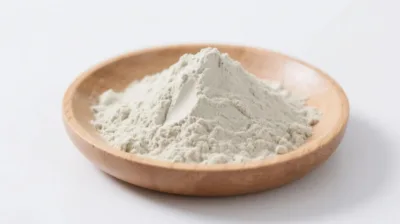
Organic Hemp Seed Protein
Complete Amino Acid Profile · Allergen-Free · Neutral Flavor · USDA Organic Certified ·…
Related Posts