
PREMIUM ORGANIC HEMP SEED SUPPLIER
Whole Hemp Seeds: Formats, Nutrition and Bulk Sourcing
Whole hemp seeds, hemp hearts and 3mm hemp seeds are the same oilseed at three different processing stages. This guide sets out what each format is, how it is made, how the specifications differ, and how food and cosmetic buyers source them with documentation attached.
3
Distinct seed formats compared
~30%
Protein in hulled kernels — varies by cultivar
18–24 mo
Whole seed shelf life in cool, dry storage
2.5–3:1
Omega-6 to Omega-3 ratio
What Are Whole Hemp Seeds?
Whole hemp seeds, hemp hearts and 3mm hemp seeds come from the same plant but are not interchangeable. The whole seed keeps its hard outer hull; hemp hearts are fully dehulled; 3mm seeds are dehulled kernels screened to a uniform size. For a formulator or purchasing team, the decision is about which format fits the nutrition target, texture, production line and label claim.
The Hull Is the Difference
A whole seed has two parts: a hard, grey-brown hull of mostly insoluble fiber and minerals, and an inner kernel. The hull is technically edible but gritty to chew. Removing it exposes the pale, oil-rich kernel buyers are purchasing.
Whole seeds are bought mainly by dehulling processors, who sell kernels as higher-value ingredients; smaller volumes go to sprouting or high-fiber flour. They are rarely sold as a topping because the hull is too hard. Hearts and 3mm seeds are finished ingredients.
- Whole seed: hull intact; the lowest-cost input per kilogram.
- 3mm seed: hull removed, kernels screened to a narrow size band.
- Hemp hearts: hull fully removed, mixed kernel sizes retained.
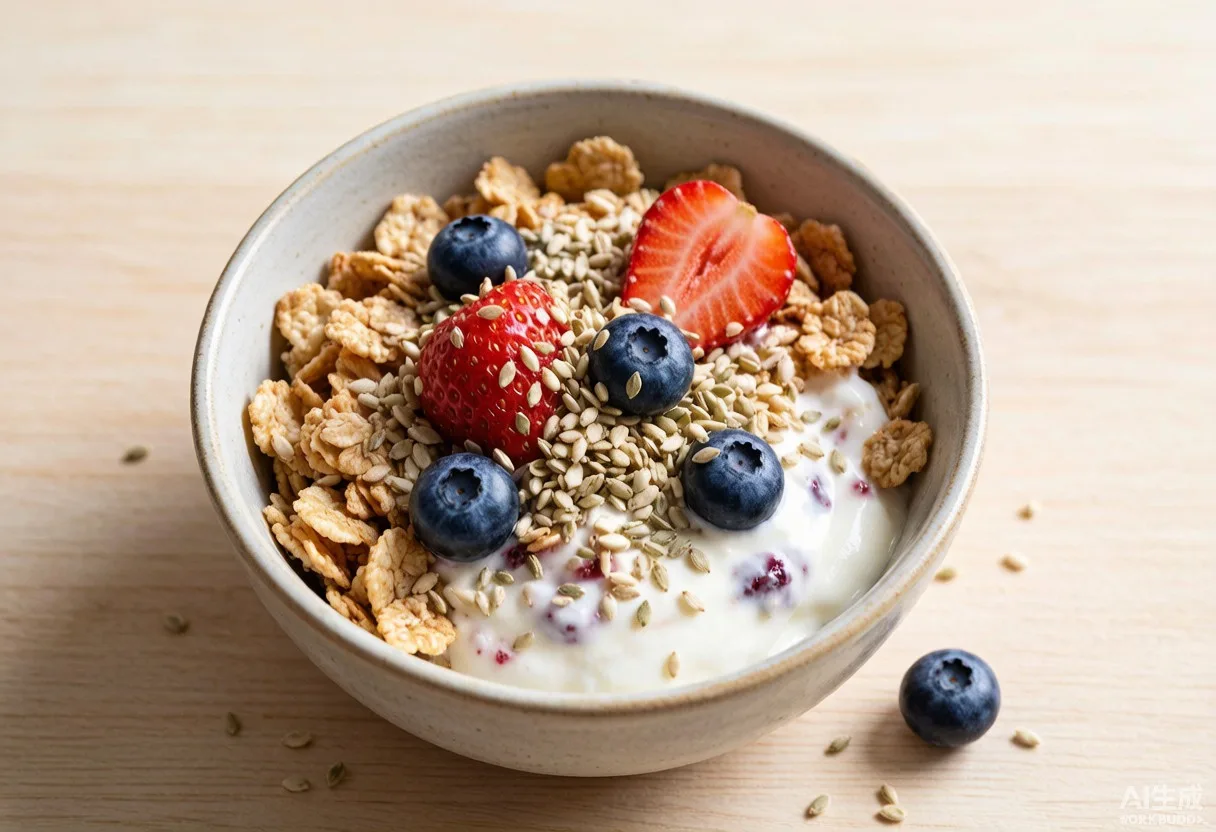
Whole, Hulled and 3mm: Understanding the Terms
“Hulled hemp seeds,” “shelled hemp seeds,” “hemp kernels” and “hemp hearts” all describe the inner kernel after dehulling. “Whole hemp seeds” keep the hull; “3mm hemp seeds” are a sized fraction of hulled kernels, not a separate variety. Fixing the terms at the start of a specification prevents expensive mix-ups.
Whole Hemp Seeds
The seed with its hull intact. The hull is mostly insoluble fiber and minerals, so whole seeds carry more fiber and fewer calories per gram than hulled formats. Their hard, gritty texture limits them to sprouting, milling and further processing.
Hemp Hearts
Also called hulled or shelled hemp seeds. The hull is fully removed, leaving a soft, pale kernel with mild, nutty flavor and buttery mouthfeel. Hearts are roughly 4–5mm at their longest dimension and irregular, with mixed sizes across the lot. They are the standard retail format where the seed should disappear into the base.
3mm Hemp Seeds
Also dehulled, but screened into a narrow size band — commonly seed that passes a 3mm screen and is retained on a 2.5mm screen. The uniform particles distribute evenly in dry blends, stay visible in bars and granolas, and give a firmer bite than hearts. HEMPLAND’s organic hemp seeds 3mm are produced to this specification.
Ask suppliers to state the dehulling method, size band and maximum hull-fragment level in writing. Mechanical dehulling is standard for food-grade material; HEMPLAND’s organic hemp hearts are dehulled, optically sorted and packed without size grading.
How the Three Formats Are Processed
Processing determines the format, nutritional profile, shelf life and cost. The three formats sit at different points on the same line.
Whole Seeds: Hull Intact
Harvested, cleaned and packed
- Dehulling: None
- Size grading: None
- Optical sort: Sometimes
- Nitrogen flush: Optional
- Cost driver: Shortest processing chain
- Best for: Sprouting, milling, further dehulling
3mm and Hearts: Dehulled
Kernel exposed, then sorted
- Dehulling: Mechanical, hull removed
- 3mm: Screened to a 2.5–3mm band
- Hearts: Mixed sizes, typically 2–6mm
- Optical sort: Standard for both
- Nitrogen flush: Standard for both
- Best for: Finished food and retail formats
| Processing Stage | Whole Seeds | 3mm Seeds | Hemp Hearts |
|---|---|---|---|
| Harvest & clean | Yes | Yes | Yes |
| Dehull | No | Yes | Yes |
| Size-grade to 3mm | No | Yes | No (mixed sizes) |
| Optical sort | Sometimes | Yes | Yes |
| Nitrogen flush pack | Optional | Standard | Standard |
Whole seeds skip dehulling, which is why they are cheapest to produce. Dehulled kernels pass through calibrated screens and optical sorting, since any surviving hull fragment is visible against the pale kernel. The 3mm sizing step adds cost but reduces waste and gives consistent fill weight and appearance. Hearts are the standard, highest-volume output of a dehulling line.
Nutritional Profile and Specifications
All three formats come from the same seed, but the hull changes the numbers. It is roughly 35–40% fiber, with the remainder minerals and structural carbohydrates; once removed, protein and fat make up a larger share of the weight. Figures below are typical — exact values depend on specification and cultivar, and should be confirmed on the batch COA.
Complete Protein
~30%
Hulled kernels by weight, with all nine amino acids the body must obtain from food. Edestin and albumin make up most of hemp’s protein; the protein quality is the same in all three formats.
Omega Balance
2.5–3:1
Omega-6 to Omega-3. The oil composition is a property of the kernel, so the ratio is the same whether the hull is present or not. What changes is the absolute fat per serving.
Dietary Fiber
~6 g / 30 g
In whole seeds with the hull. Hulled 3mm seeds and hearts are nearer 1–1.2 g per 30 g. A high-fiber claim therefore points to whole seeds, usually ground; a high-protein claim points to a hulled format.
Protein per 30 g
~9.5 g
For both 3mm seeds and hemp hearts, versus about 7.0 g in whole seeds. The protein itself is identical across formats; only the percentage by weight changes.
Magnesium
~210 mg
Per 30 g of hulled seed; whole seed is higher at roughly 260 mg per 30 g. Mineral levels vary by cultivar and soil, so use the COA for label calculations.
Iron
~2.4 mg
Per 30 g of hulled seed; about 3.0 mg in whole seed. Iron contributes to normal oxygen transport and to normal energy-yielding metabolism.
The Same Oil, Different Amounts
The omega-6 to omega-3 ratio of hemp seed oil is approximately 2.5:1 to 3:1. It is a property of the kernel, unchanged by dehulling or sizing. What differs is fat per serving: hulled formats deliver roughly 60% more because there is more kernel and no diluting hull.
3mm seeds and hemp hearts are nutritionally very close; small differences come from residual hull fragments in the 3mm fraction. For daily intake those differences are not meaningful — select on texture, application and price.
Per 30 g Serving
- Whole seeds~120 kcal / ~9 g fat
- 3mm seeds~166 kcal / ~14.6 g fat
- Hemp hearts~170 kcal / ~15 g fat
- Hull fiber share~35–40%
- Moisture (3mm)~5–8%
| Nutrient (per 30g) | Whole Seeds (with hull) | 3mm Hemp Seeds (hulled) | Hemp Hearts (hulled) |
|---|---|---|---|
| Calories | ~120 kcal | ~166 kcal | ~170 kcal |
| Protein | ~7.0 g | ~9.5 g | ~9.5 g |
| Total Fat | ~9.0 g | ~14.6 g | ~15.0 g |
| Carbohydrates | ~8.0 g | ~2.6 g | ~2.0 g |
| Dietary Fiber | ~6.0 g | ~1.2 g | ~1.0 g |
| Iron (mg) | ~3.0 | ~2.4 | ~2.4 |
| Magnesium (mg) | ~260 | ~210 | ~210 |
Industry Applications
Texture, not nutrition, usually decides. All three formats suit sweet and savory systems; size and hardness determine where each belongs.
Dry Blends and Granola
Uniform particles distribute evenly and form consistent clusters.
- Granola and muesli blends
- Trail mix and cereal toppers
- Baking mixes that must not separate in the pack
- Why 3mm: no sinking to the bottom of the drum
Bars and Snacks
Visible seed identity without a lumpy or gritty bite.
- Protein and snack bars
- Energy balls and bites
- 3mm for crunch and visibility
- Hearts where the inclusion should soften
Bakery and Baking Mixes
Bread, crackers, muffins and Cookies with either visible or invisible enrichment.
- 3mm for visible inclusion and bite
- Ground hearts for invisible protein
- Typical addition: 5–15% of flour weight
- Whole seed only when milled into flour
Beverages and Liquid Bases
Where the seed must blend without leaving gritty residue.
- Smoothie and shake bases
- Hemp milk from ground hearts
- Creamy sauces and dressings
- Choose hearts, ground before or during processing
Retail Packs and Toppings
Clean labeling and a predictable appearance in the pack.
- Yogurt and oatmeal toppings
- Salad garnish and direct snacking
- 3mm photographs as uniform particles
- Opaque cartons suit either format
Cosmetics and Personal Care
Seed derivatives supply lipids and protein to natural formulations.
- Natural skincare and body butters
- Hair care treatments
- Hemp seed oil as a carrier lipid
- See the Hemp Seed Oil guide for oil specifications
How to Choose Quality
Here is what to check before committing a formulation or purchase order to a format.
Define the Format in Writing
State “whole,” “3mm, 2.5–3mm band,” or “hulled hearts, mixed sizes” on the purchase order; the names are not interchangeable.
Request the Specification Sheet
A proper spec lists moisture, purity, broken kernels, foreign material, color, odor and THC. For 3mm, common targets include 5–8% moisture and 99.5% minimum kernel purity.
Review the Certificate of Analysis
Ask for a batch COA from an accredited lab covering microbes, heavy metals, mycotoxins and cannabinoids. Values vary by specification and market — rely on the COA, not a generic claim.
Confirm Certification
Look for current organic certification covering farm, processor and exporter, plus non-GMO and food-safety documents where required.
Check Freshness and Packaging
Nitrogen-flushed, opaque packaging protects the unsaturated fats. Ask for accelerated shelf-life data on hulled formats and check production dates on receipt.
Verify Traceability
Choose a direct processor with batch-to-farm traceability, documented allergen controls and capacity to hold stock.
Match Format to Specification
Dry blend or clear pack → 3mm. Liquid or invisible enrichment → hearts. High-fiber claim or milling → whole seeds. Decide the claim first and the price second.
Pre-order checklist
- Confirm the exact format name and size band
- Obtain the current specification sheet
- Obtain a batch-specific certificate of analysis
- Verify organic and food-safety certificates
- Confirm nitrogen flush and shelf-life data
- Confirm allergen controls and lead time
Explore Our Products
Two dehulled formats with defined size profiles and full documentation.
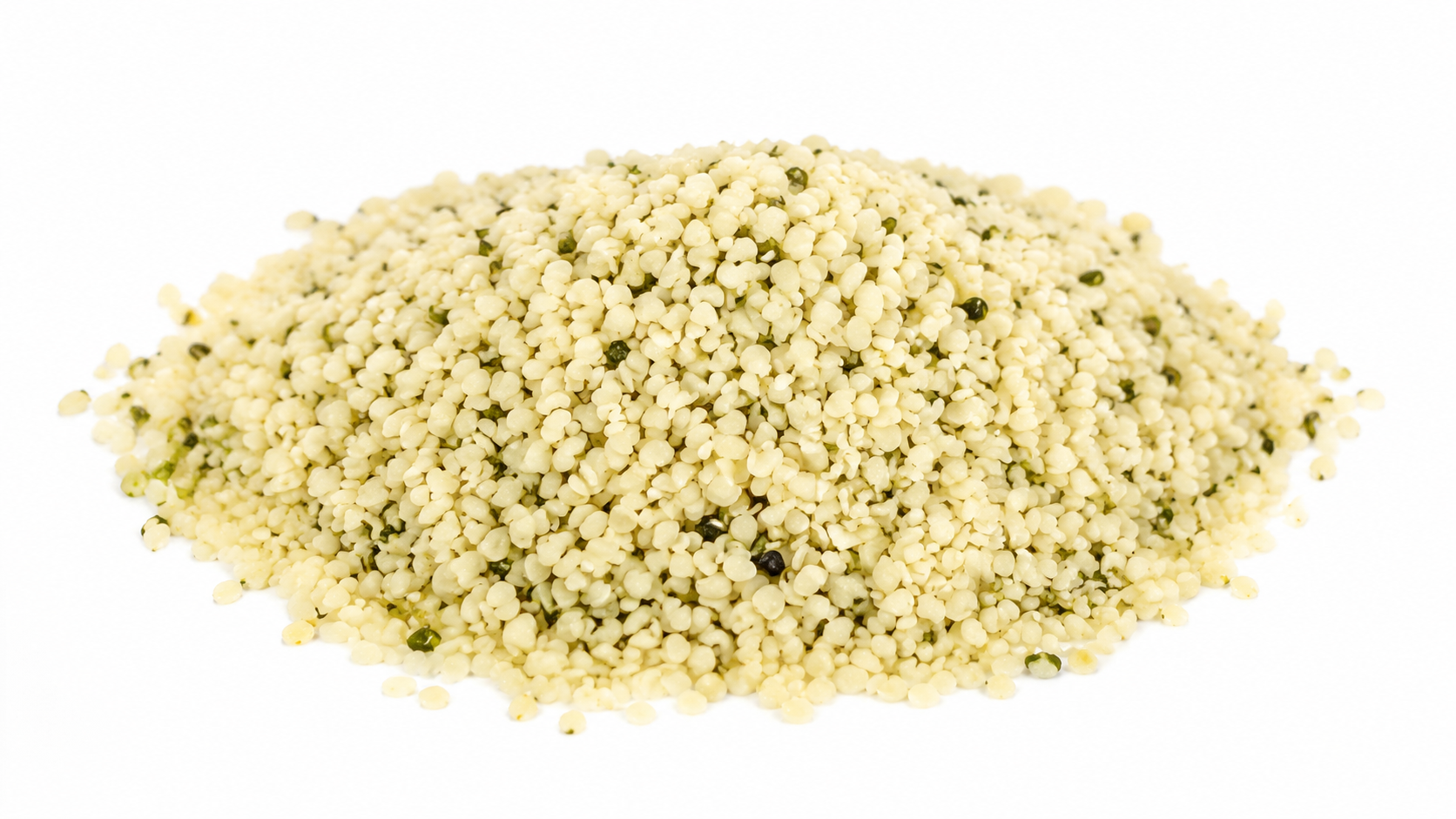
Organic Hemp Seeds 3mm
Dehulled kernels screened to a uniform 3mm band for granola, bars, baking mixes and retail packs.
Organic Hemp Hearts
Fully dehulled, optically sorted kernels with soft texture and mild nutty flavor — the standard format for smoothies, toppings and blends.
Bulk & Wholesale Hemp Seeds
As a direct processor, HEMPLAND supplies whole, 3mm and hulled formats to food, beverage and cosmetic manufacturers, with private label and custom packaging available.
- Direct from processor
- Organic certified
- Custom packaging
- Private label
- Global shipping
- Samples available
Bulk Specifications
- Formats: Whole / 3mm / Hulled hearts
- Typical bags: 20–25 kg
- Pallet loads: 500–1,000 kg
- Minimum order: depends on specification
- Shelf life: whole 18–24 months; hulled 12–18 months
- Certifications: EU Organic / USDA Organic
- Shipping: FOB / CIF / DDP
- Documentation: batch COA and organic certificate
Frequently Asked Questions
What is the difference between whole hemp seeds, hemp hearts and 3mm hemp seeds?
The same seed at different stages. Whole seeds retain the hull; hearts are fully dehulled with mixed sizes; 3mm seeds are screened to a uniform band. The hull changes fiber, calories and texture; sizing changes production behavior.
Are 3mm seeds just smaller hemp hearts?
Partially. They are smaller and more uniform. Hearts can range from roughly 2mm to 6mm in a bag, while the 3mm lot is screened to a narrow band. The firmer bite on 3mm versus softer hearts is noticeable enough that bakers and bar makers treat them as distinct ingredients.
Can I use hearts where a recipe calls for 3mm seeds?
Usually yes, but the result is softer and less visible. In granola, hearts crumble into the oat matrix while 3mm seeds keep their shape; in baked goods, hearts soften while 3mm seeds keep a slight bite. Adjust appearance expectations before substituting.
Why would anyone buy whole seeds?
Mostly for sprouting, seed saving or milling into high-fiber flour. The bag is cheaper, but usable nutrition per dollar is worse than hulled seed once the hull’s weight is counted. Whole seeds are a processing input, not a finished ingredient.
Is there a nutritional reason to choose 3mm seeds over hearts?
Not a meaningful one. Both are hulled kernels with the same protein quality and omega ratio; differences are small. Choose on texture, application and price. For a high-fiber claim, neither works — use whole seed flour.
Do hemp seeds contain THC or CBD, and will they show up on a drug screen?
Hemp seeds contain only trace cannabinoids, far below thresholds associated with psychoactive effects, and THC is controlled to the destination market’s limit. Cannabinoids concentrate in flowers and leaves, not the seed. Buyers should still request a batch COA stating total THC; HEMPLAND provides one with each shipment.
Are hemp seeds gluten-free and suitable for vegan or allergen-sensitive products?
Hemp seed contains no gluten and these formats are plant-based and vegan-suitable. Hemp seed is not a major regulated allergen in most jurisdictions, but cross-contact with tree nuts, peanuts, soy or gluten grains can occur at shared facilities. Buyers needing an allergen-free claim should request a documented allergen control program and verification testing.
What is the shelf life and minimum order quantity for bulk orders?
Whole seeds keep roughly 18–24 months in cool, dry, dark storage; the hull protects the oil-rich kernel. Nitrogen-flushed 3mm seeds and hearts are typically 12–18 and 10–15 months. Once opened, reseal and refrigerate. Minimum order depends on specification — contact HEMPLAND for current terms, 20–25 kg bags and pallet volumes.
Explore Our Other Ingredient Guides
Specification guides for other HEMPLAND ingredients.
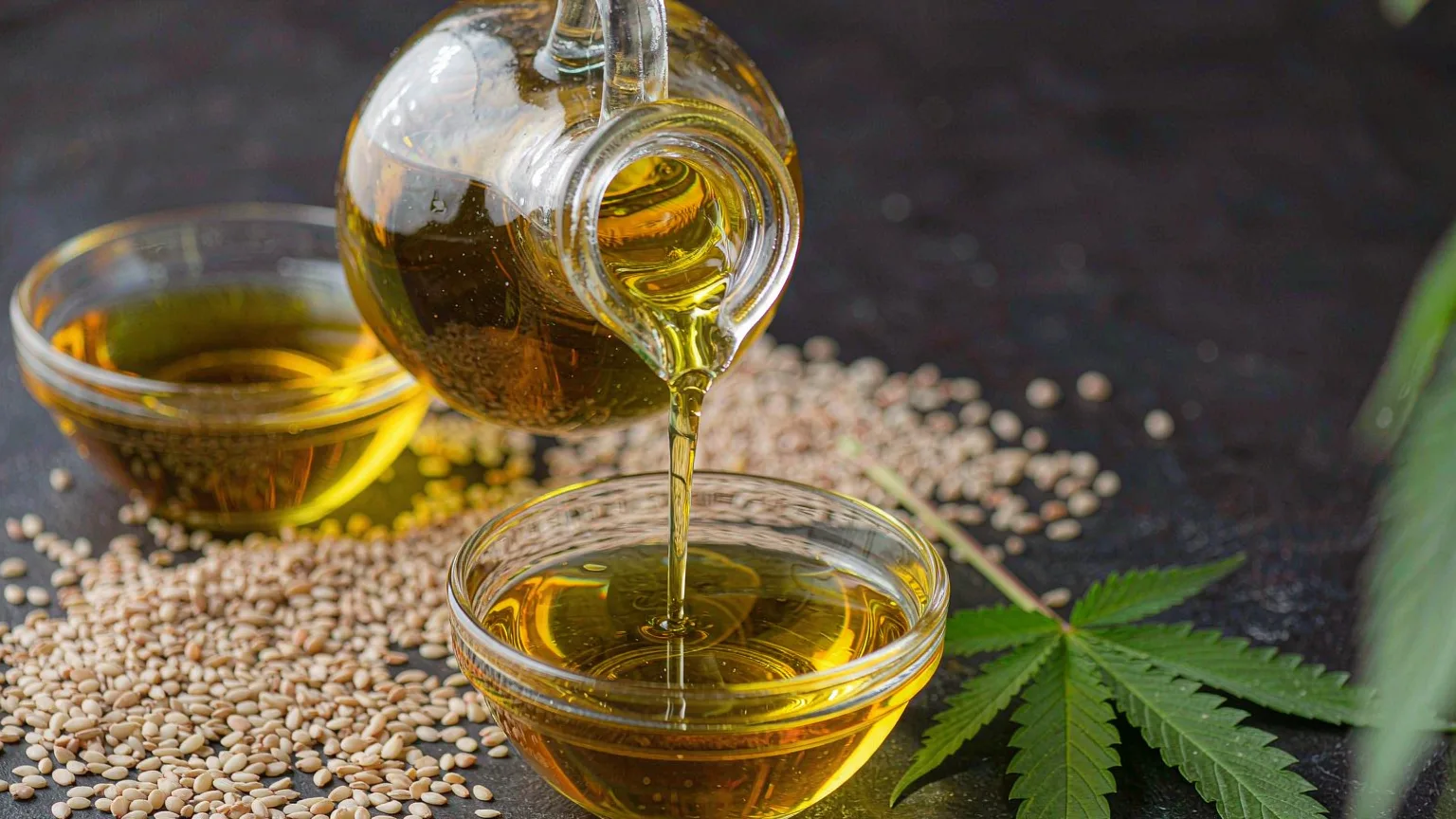
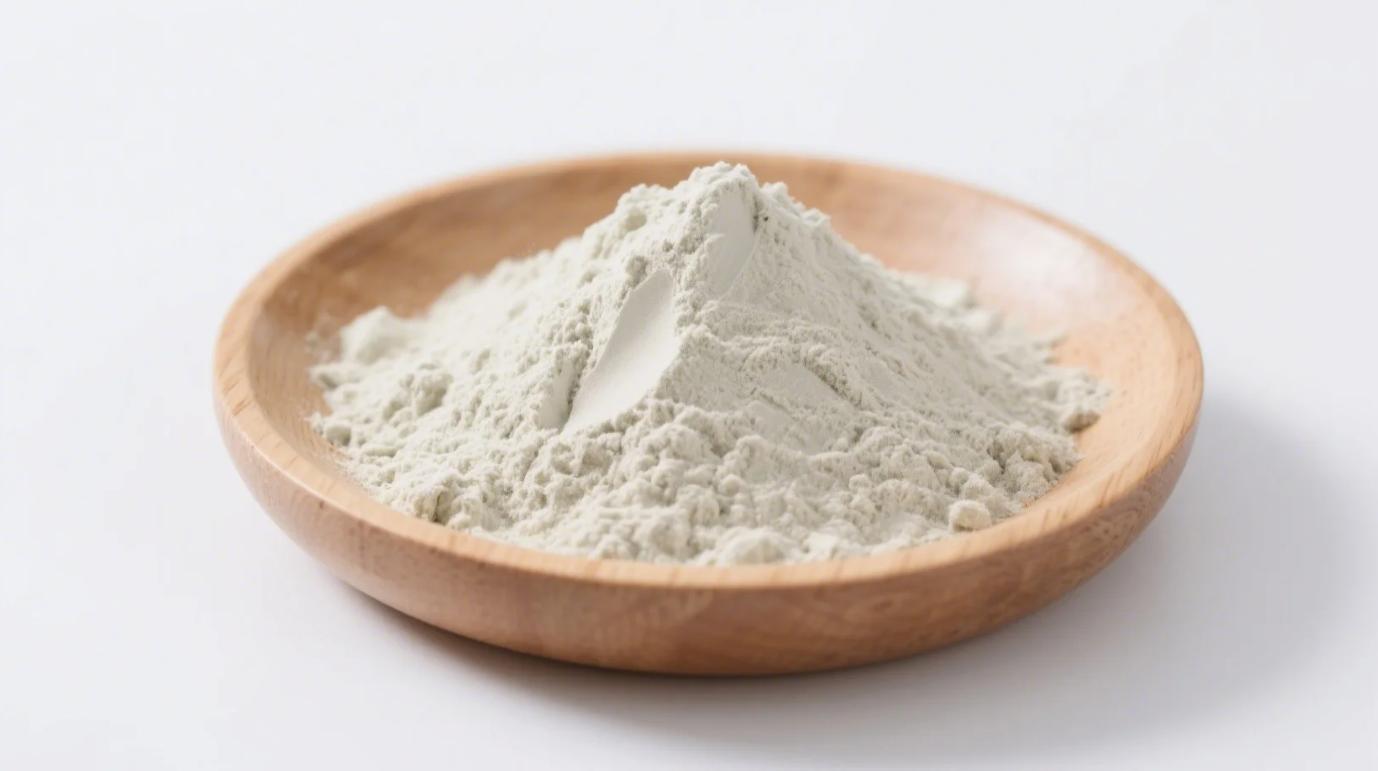
Also in the range: Hemp Hearts for hulled kernel specifications and Pumpkin Seed Protein for a second plant protein option.