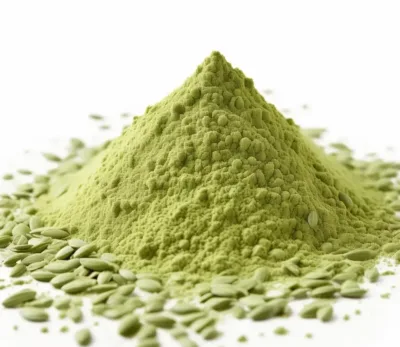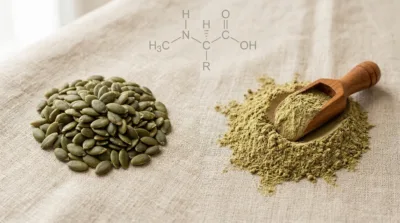
The plant protein market has grown steadily over the past decade, pulled along by three consumer shifts: health awareness, environmental concern, and ethical eating. Pumpkin seed protein sits inside that broader movement as an ingredient that food manufacturers, investors, and health-minded buyers have started taking seriously.
This piece looks at what is driving pumpkin seed protein’s growth, where it stands against established proteins, and what B2B buyers and brands should weigh before committing to it for product development.
Market context: the plant protein sector
Before narrowing in on pumpkin protein, it helps to see where the ingredient fits in the wider plant protein market.
Global plant protein market size
The plant protein market grew from roughly $10 billion in 2020 to projections above $25 billion by 2030, a compound annual growth rate (CAGR) of 8 to 10 percent. That pace beats the overall food market, which signals real category momentum rather than a passing fad.
The segments doing the heavy lifting:
- Protein supplements: powders and ready-to-drink products are the largest and fastest-growing slice, with global revenue above $15 billion a year.
- Plant-based meat alternatives: meat analogs reached the mainstream, though growth has cooled from its early spike.
- Functional foods and drinks: protein keeps showing up across more categories as brands respond to rising protein awareness.
- Pet nutrition: plant proteins are turning up in premium pet food as owners push for cleaner formulas.
Competitive landscape
The field already has entrenched players:
- Soy protein: still the dominant source at roughly 60 percent market share, despite pressure from newer options.
- Pea protein: the fastest-growing alternative, taking share from soy in premium and allergen-free positioning.
- Rice and other grains: lower-protein choices for budget and sensitive-diet uses.
- Emerging seed proteins: sunflower, pumpkin, hemp, and other specialty seeds are gaining ground in premium positioning.
That mix creates both openings and headwinds for pumpkin protein.
Pumpkin seed protein’s market position
Current market size
Sizing pumpkin seed protein precisely is hard because supply chains are fragmented and the category overlaps with others. Current global production is roughly 15,000 to 25,000 metric tons a year, about 1 to 2 percent of the plant protein market.
Sales are estimated at $80 to $150 million globally, growing above 15 percent CAGR, which outpaces the broader plant protein market.
Growth trajectory
Analysts expect strong growth through 2030, for a few reasons:
- Production capacity is expanding: new processing plants in North America, Europe, and Asia-Pacific are improving supply.
- Consumer awareness is building: marketing and education are lifting recognition of pumpkin protein’s benefits.
- Manufacturers are adopting it: more brands are putting pumpkin protein in new launches.
- Premium momentum: the general rise of premium and natural products supports pumpkin protein’s positioning.
Growth drivers
Consumer health trends
Several health-minded trends work in pumpkin protein’s favor:
- Mineral awareness: as shoppers learn about zinc, magnesium, and other minerals, they look for naturally mineral-rich foods like pumpkin protein.
- Digestive comfort: buyers who want easy-to-digest protein like pumpkin protein’s favorable GI tolerance.
- Sleep and wellness: interest in natural sleep support lines up with pumpkin protein’s tryptophan content and traditional wellness use.
- Clean-label demand: the preference for recognizable, lightly processed ingredients fits pumpkin protein’s simple production story.
Allergen-friendly positioning
The allergen picture is shifting toward alternatives:
- Soy avoidance: more consumers want to cut soy, creating demand for soy-free protein. Pumpkin protein is a workable option.
- Top 8 allergen-free claims: products claiming freedom from the top 8 allergens need alternative proteins. Pumpkin protein’s allergen-friendly status supports those claims without losing protein content.
- Family nutrition: parents managing a child’s food allergies want versatile allergen-free proteins that work across the household.
Environmental consciousness
Buyers weigh production impact:
- Sustainable sourcing: pumpkin needs modest inputs next to animal protein or water-hungry crops like almonds.
- Upcycling potential: pumpkin seeds are a byproduct of pumpkin processing, which supports a sustainability story.
- Local production: pumpkins grow across temperate regions, allowing regional supply chains that cut transport emissions.
Functional differentiation
Brands hunting for a point of difference value pumpkin protein’s traits:
- Nutritional variety: its mineral density sets products apart from those built only on conventional protein.
- Marketing narratives: the “new and different” angle supports premium pricing and attention-grabbing claims.
- Category timing: early adopters stake a claim before the ingredient goes mainstream and commodity.
B2B opportunities
For food manufacturers
Brands weighing pumpkin protein have several angles:
- Premium positioning: it supports higher pricing in natural, sports nutrition, and wellness lines.
- Allergen-free lines: it enables “top 8 allergen-free” claims that widen access.
- Line extensions: existing brands can add pumpkin protein variants to reach new shoppers.
- Differentiation: it sets products apart from competitors still on soy, pea, or conventional protein.
For supplement brands
Supplement makers gain specific advantages:
- Niche positioning: pumpkin protein’s distinct benefits support specialized, premium SKUs.
- Formulation ease: its pleasant flavor and good mixability simplify development.
- Clean-label appeal: the natural profile backs “free-from” and clean-label claims.
- Shelf standout: a different ingredient catches the eye in crowded supplement aisles.
For ingredient distributors
Distributors serving food customers have openings too:
- Supply chain building: reliable pumpkin protein chains create a competitive position.
- Quality standardization: consistent specs build trust with manufacturers.
- Technical support: formulation and application help separates distributors in a competitive market.
Market challenges
Production scale limits
Current volume is both a trait and a constraint:
- Limited availability: smaller scale restricts supply next to commodity proteins.
- Price premium: lower volumes mean higher cost than soy or pea.
- Capacity gaps: meeting demand needs continued investment in processing.
Consumer awareness gaps
Despite rising interest, awareness lags:
- Low recognition: consumer awareness of pumpkin protein sits well below soy, pea, or even hemp protein.
- Education burden: brands using pumpkin protein must teach shoppers its benefits and uses.
- Marketing cost: building demand takes real marketing spend that affects product economics.
Quality variability
Production differences show up in the ingredient:
- Processing method: different extraction routes yield proteins with different functional properties.
- Origin variation: growing conditions and seed variety change the final protein.
- Standardization needs: the industry still lacks the quality standards it needs.
HEMPLAND can support your market entry with organic pumpkin seed protein powder available for wholesale with full traceability.
Regional market analysis
North America
North America is the largest, most developed market for pumpkin protein:
- Natural products leadership: strong natural and specialty channels aid premium adoption.
- Sports nutrition focus: high interest in sports nutrition and supplements drives demand.
- Growing production: North American output is expanding, improving supply.
- Key brands: several supplement and food brands already run pumpkin protein lines.
Europe
Europe shows strong potential:
- Clean-label emphasis: European preferences fit pumpkin protein’s clean production profile.
- Organic demand: high organic share supports organic pumpkin protein.
- Sustainability focus: European environmental concern backs sustainability stories around pumpkin protein.
Asia-Pacific
Asia-Pacific is an emerging opportunity:
- Growing middle class: rising incomes support premium ingredient adoption.
- Health trend acceleration: Western health trends are shaping Asian preferences.
- Production potential: pumpkins grow across the region, enabling local supply.
Future outlook
Near-term projections (2024 to 2027)
Expect continued strong near-term growth:
- Market growth: 15 to 20 percent annual gains in production and sales.
- Brand expansion: more major brands launching pumpkin protein products.
- Consumer awareness: measurable lift in recognition of its benefits.
- Production investment: continued spending on processing capacity.
Long-term potential (2027 to 2035)
Longer term, the picture is large:
- Commoditization path: pumpkin protein will likely follow pea protein toward broader commodity status.
- Price normalization: scale will ease the premium over time.
- Market share: pumpkin protein may reach 3 to 5 percent of the plant protein market.
- Application spread: use grows beyond supplements into wider food.
Strategic recommendations
For B2B buyers
Brands considering pumpkin protein should:
- Move early: current positioning offers first-mover advantage that fades as the ingredient spreads.
- Build supplier ties: relationships now lock in supply and pricing.
- Invest in development: proprietary formulas build competitive walls.
- Prep marketing: consumer education supports a clean launch.
For existing suppliers
Current suppliers should:
- Expand capacity: keep investing in production to meet demand.
- Standardize quality: consistent specs build brand trust.
- Add technical support: formulation help separates suppliers in a tight market.
- Tell the sustainability story: documenting and communicating sustainability supports premium positioning.
For new market entrants
Companies entering should:
- Watch the timing: the window for differentiated positioning is open but narrowing.
- Build the chain: secure seed sourcing and processing partners early.
- Find a position: unique applications or positioning beat me-too entries.
- Fund it: real participation needs production or supply chain investment.
Conclusion
Pumpkin seed protein is a genuine growth opening inside the broader plant protein sector. Real drivers, consumer health trends, allergen-friendly positioning, environmental concern, and functional differentiation all support continued expansion.
For B2B buyers, the timing window for adoption looks attractive now. Early movers can set differentiated positioning, build supplier relationships, and develop formulation know-how before the ingredient goes commodity.
The growth path suggests real opportunity for brands, suppliers, and investors in this category. Challenges around production scale, consumer awareness, and quality standards remain, but the underlying dynamics favor expansion.
Reading these trends lets buyers make informed calls on adding pumpkin protein to product roadmaps. The blend of consumer trends, differentiation room, and growth potential makes pumpkin seed protein worth a serious look for companies in plant-based food and supplements.
Recommended Products
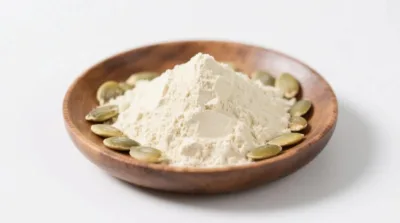
Organic Pumpkin Seed Protein Powder
Organic pumpkin seed protein powder offers ≥60% protein with high magnesium, zinc, and iron…
Related Posts