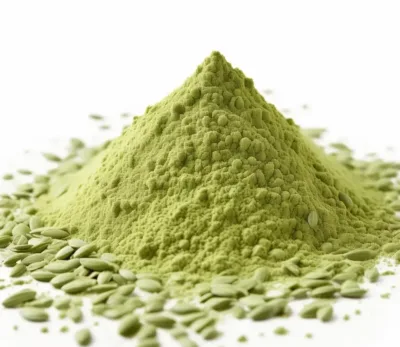
Snacking is no longer an afterthought in nutrition planning. Between grazing-style eating patterns and growing recognition that protein distribution across the day matters for satiety and muscle maintenance, high protein snacks have become a category of their own. Within that category, plant-based options are expanding faster than any other segment.
High protein snacks built on plant protein bridge the gap between meals, support training goals, and sidestep the sugar crash that follows conventional snack foods. Whether made at home or picked from a growing commercial shelf, the first step is knowing what makes a protein snack genuinely worth eating.
The market for protein snacks: where things stand
The global protein snack market was valued at roughly $4.1 billion in 2023 and is projected to reach $7.5 billion by 2030, according to Grand View Research. Plant-based protein snacks represent the fastest-growing segment within it, pulled forward by consumers seeking allergen-friendly, sustainable, and clean-label options.
In the United States, 62% of consumers report actively trying to increase their protein intake, per a 2024 survey from the International Food Information Council. Among younger consumers aged 18-34, plant protein specifically is preferred by 39%, not exclusively but as part of a mixed approach alongside animal sources.
Demand has unleashed a flood of new products, not all of which deliver on their protein promises. Telling a genuinely protein-rich snack from one merely wearing the label is essential for making informed choices.
What counts as a high protein snack?
No legally binding definition of “high protein” exists for snacks in most markets. The FDA allows the claim “good source of protein” when a serving provides 10-19% of the Daily Value (5-9.5 grams), and “excellent source” at 20% or more (10+ grams). For practical purposes, a snack delivering at least 10 grams of protein per serving qualifies as meaningful.
Quantity alone is not sufficient, though. A snack with 12 grams of protein and 20 grams of added sugar arguably loses to one with 8 grams of protein and 2 grams of sugar. The ratio of protein to total calories, the quality of the protein source, and the presence of whole-food ingredients all determine whether a snack actually supports nutritional goals.
HEMPLAND’s organic hemp seed protein and organic sunflower seed protein both work as bases for homemade snacks, offering 15-18 grams of protein per 30-gram serving with minimal processing.
Homemade protein bars: no-bake recipe
Making bars at home gives complete control over ingredients, sugar content, and protein quality. This version uses sunflower protein as the base and requires no baking.
Sunflower almond protein bars
Ingredients:
- 1 cup (120g) rolled oats
- 1/2 cup (50g) organic sunflower seed protein
- 1/4 cup (60g) almond butter
- 1/4 cup (80g) honey or maple syrup
- 1/4 cup (40g) dark chocolate chips
- 2 tablespoons chia seeds
- 1 teaspoon vanilla extract
- Pinch of salt
Instructions:
- Combine oats, sunflower protein, chia seeds, and salt in a large bowl.
- In a separate bowl, mix almond butter and honey until smooth. Add vanilla.
- Pour wet ingredients into dry and stir until evenly coated. The mixture should hold together when pressed. If too dry, add a tablespoon of water or milk. If too wet, add more oats.
- Fold in chocolate chips.
- Press firmly into a lined 8×8-inch pan. Refrigerate for at least 2 hours.
- Cut into 10 bars.
Nutrition per bar (approximate): 190 calories, 9g protein, 8g fat, 24g carbohydrates, 3g fiber, 10g sugar.
These bars keep for one week in the refrigerator or up to three months in the freezer. Each bar provides 9 grams of protein from whole-food and supplemental sources combined, with no artificial ingredients.
Protein energy balls: five-minute recipe
Energy balls are the simplest high protein snack to prepare: no pan, no cutting, no waiting.
Hemp cocoa energy balls
Ingredients:
- 1 cup (120g) pitted dates
- 1/2 cup (50g) organic hemp seed protein
- 1/4 cup (30g) walnuts
- 2 tablespoons cocoa powder
- 1 tablespoon coconut oil
- 1 tablespoon chia seeds
- Optional: 1 tablespoon honey for sweetness
Instructions:
- Process dates in a food processor until a paste forms.
- Add hemp protein, walnuts, cocoa powder, coconut oil, and chia seeds. Process until the mixture forms a sticky dough.
- Roll tablespoon-sized portions into balls. Makes approximately 14 balls.
- Refrigerate for 30 minutes to firm up.
Nutrition per ball (approximate): 100 calories, 4g protein, 5g fat, 12g carbohydrates, 2g fiber, 8g sugar (from dates).
Ideal as a quick pre-workout bite or mid-afternoon pick-me-up. Hemp protein adds omega-3 and omega-6 fatty acids alongside the protein content, a nutritional edge over refined protein isolates.
Savory protein chips: baked recipe
Not every snack needs to be sweet. Savory protein snacks are underserved commercially but easy to make at home.
Sunflower sesame protein crackers
Ingredients:
- 3/4 cup (75g) organic sunflower seed protein
- 1/2 cup (60g) almond flour
- 1/4 cup (30g) sesame seeds
- 1 tablespoon nutritional yeast
- 1/2 teaspoon garlic powder
- 1/2 teaspoon smoked paprika
- 1 egg (or 1 tablespoon flaxseed + 3 tablespoons water for vegan)
- 1 tablespoon olive oil
- 2-3 tablespoons water
Instructions:
- Preheat oven to 325°F (165°C).
- Mix all dry ingredients in a bowl.
- Add egg and olive oil. Stir until a dough forms. Add water one tablespoon at a time if the dough is too dry.
- Roll dough between two sheets of parchment paper until very thin (about 1/16 inch).
- Remove top parchment, transfer to a baking sheet, and cut into squares with a knife or pizza cutter.
- Bake for 15-18 minutes until edges are golden. Cool completely before breaking apart.
Nutrition per serving (about 6 crackers): 110 calories, 7g protein, 6g fat, 7g carbohydrates, 2g fiber, 1g sugar.
The crackers pair well with hummus, guacamole, or a simple olive tapenade. The sunflower protein base brings a nutty flavor that complements the sesame and smoked paprika.
Buying commercial protein snacks: what to look for
When making snacks at home is impractical, commercial options fill the gap, though quality ranges widely. A framework for evaluating what sits on the shelf:
- Protein per serving: look for at least 10 grams. Products at 5-6 grams are snacks with protein added as a marketing feature, not protein snacks.
- Protein source: whole-food sources (nuts, seeds, legumes) beat highly processed isolates as the sole ingredient. A product listing “pea protein isolate” first may be acceptable; one listing it alongside sugar and palm oil in the top three is far less ideal.
- Sugar content: a useful rule of thumb is a sugar-to-protein ratio of 1:1 or lower. Fifteen grams of protein against 18 grams of sugar means the sugar cancels more benefit than the protein delivers.
- Ingredient list length: fewer ingredients usually means less processing. Twenty-five ingredients laced with emulsifiers, preservatives, and flavorings is a processed food product first and a protein source second.
- Allergens: for sensitive consumers, sunflower-based and hemp-based snacks rank among the safest, skipping the most common snack allergens: dairy, soy, gluten, and peanuts. The article on the soy-free solution for sensitive formulations explains why avoiding common allergens in protein products matters to a significant share of consumers.
Plant protein pairing for snack time
Protein combining, eating complementary plant proteins together for a complete amino acid profile, is less rigid than once believed. At snack level it still helps, since a single serving may be your only protein source for several hours. Smart pairings:
- Sunflower protein + hemp protein: sunflower brings strong sulfur amino acids; hemp adds lysine and omega fatty acids. Together they form a well-rounded amino acid profile.
- Hemp protein + pumpkin seeds: the organic pumpkin seed protein from HEMPLAND adds zinc and magnesium to hemp’s omega content, a recovery-friendly combo.
- Any plant protein + nut butter: the fat slows digestion, extending amino acid release from the powder.
These combinations drop easily into shakes, smoothie bowls, or the homemade recipes above.
Snacking for different goals
Weight management: protein snacks help with satiety. Research published in *Appetite* found that high-protein snacks (20+ grams protein) reduced subsequent meal intake more effectively than high-fat or high-carbohydrate options. Prioritize protein-to-calorie ratios: protein bars or plain shakes beat trail mixes that are calorie-dense from fats.
Athletic performance: pre-workout snacks should be protein-rich but not heavy. Energy balls or a small shake consumed 60-90 minutes before training supplies amino acids without digestive burden. Post-workout, combine protein with carbohydrates; the homemade bars above work well, as does a hemp protein shake blended with a banana.
General wellness: without specific training goals, distributing 20-30 grams of protein across 3-4 meals and snacks per day maintains muscle mass and steadies energy. A mid-morning protein ball and an afternoon cracker with hummus fit most schedules.
The cost comparison: homemade vs. commercial
Homemade wins decisively on price. A commercial protein bar typically runs $2.50-$4.00 per bar, while the homemade sunflower almond bars described above cost roughly $0.80-$1.10 per bar in ingredients, depending on sourcing.
For businesses and food service operators buying powder in bulk, the advantage compounds further. HEMPLAND offers bulk sizing that reduces per-serving costs for both hemp protein and sunflower protein.
Trends shaping the future of protein snacks
Several trends are worth watching in this space:
- Savory snacking: sweet protein bars are ceding ground to savory options such as protein crackers, seasoned nuts, and cheese-flavored crisps made from plant protein. Consumer research from Innova Market Insights shows savory snack launches with protein claims grew 28% year-over-year.
- Functional additions: adaptogens, probiotics, and nootropics are entering protein snacks. Evidence for some additions remains limited, but the trend reflects genuine consumer interest in multifunctional foods.
- Sustainability claims: as the analysis of consumer trends and market demand for organic pumpkin seed protein highlights, sustainability is becoming a top-three purchase driver for plant protein consumers. Snack brands able to document low-impact sourcing will hold an edge.
- Minimally processed positioning: the clean label movement continues pushing brands toward shorter ingredient lists and recognizable components, favoring whole-seed protein powders over highly refined isolates.
Conclusion
High protein snacks built on plant protein are more accessible and varied than ever. Homemade or store-bought, the criteria stay constant: 10+ grams of protein per serving, quality sources forming a complete amino acid profile, and minimal added sugar.
HEMPLAND’s range of plant protein powders, including organic sunflower seed protein, organic hemp seed protein, and organic pumpkin seed protein, gives home cooks and formulators the ingredients to create protein snacks that are genuinely nutritious rather than merely marketed as such.
The best protein snack is the one you will actually eat consistently. Start with the recipes here, adjust to taste, and let high-protein snacking become a habit worth keeping.
Questions about protein powder options for snack formulation? Contact Us for specifications, bulk pricing, and recipe development support.
Recommended Products
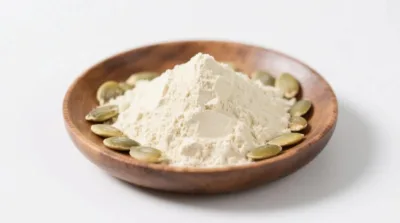
Organic Pumpkin Seed Protein Powder
Organic pumpkin seed protein powder offers ≥60% protein with high magnesium, zinc, and iron…
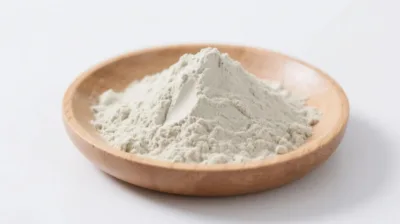
Organic Hemp Seed Protein
Premium organic hemp seed protein powder — 70%, 75%, 80% protein grades. Complete plant…
Related Posts