
Peptides have taken off in the supplement aisle over the last few years. Walk into any health store and you will find entire shelves of peptide powders, capsules, and functional drinks. Collagen peptides dominate the category, with strong branding and a deep research base behind them. But a plant-based alternative is gaining ground. Hemp peptides, made from hemp seed protein, offer a complete amino acid profile, a far smaller environmental footprint, and broad nutritional support that appeals to plant-forward buyers. Here is how hemp peptide and collagen peptide actually stack up across amino acid profiles, absorption, skin and joint benefits, digestive tolerance, and sustainability, so you can pick the right one for your goals.
What are peptides? a brief primer
Peptides are short chains of 2 to 50 amino acids linked by peptide bonds. They sit in the middle ground between full proteins and single amino acids, which is exactly why they absorb so easily. Dietary proteins have to be broken down by digestive enzymes first, whereas peptides are small enough to slip through the intestinal lining more directly.
The body uses absorbed peptides as building blocks for tissue repair, muscle synthesis, enzyme production, and hormone function. Both hemp and collagen peptides are made through enzymatic hydrolysis, which breaks the parent protein into smaller, highly bioavailable fragments. The result in both cases is a fine, water-soluble powder built for rapid absorption. The real difference between hemp peptide and collagen peptide is not the method. It is the amino acid composition of the starting material.
Hemp peptide: source and profile
Hemp peptides come from enzymatically hydrolyzing hemp seed protein. Hemp seeds run about 25 to 30 percent protein by weight, one of the richer protein compositions you will find in a plant source.
Hemp protein is a complete protein, carrying all nine essential amino acids the body cannot make on its own. Few plant proteins do this without soy or quinoa in the mix. That completeness means hemp peptides can support full protein synthesis without needing a complementary protein alongside them.
They are particularly rich in arginine, the precursor to nitric oxide that helps blood vessels dilate and circulation stay healthy. That has direct payoff for exercise performance, cardiovascular health, and getting nutrients to tissues. Hemp peptides also carry meaningful glutamine, which supports gut barrier integrity and immune function.
The powder supplies branched-chain amino acids (BCAAs), leucine, isoleucine, and valine, in balanced, food-typical ratios. Not as concentrated as a dedicated BCAA supplement, but enough to support muscle protein synthesis and recovery in a practical way.
Because hydrolysis pre-digests the protein, hemp peptides go down easily with minimal digestive strain. That makes them a sensible option for people who find whole protein powders, including organic hemp protein, hard to tolerate.
As a plant-based, vegan, hypoallergenic product free from dairy, soy, gluten, and animal ingredients, hemp peptides fit a wide range of dietary restrictions. Whether the driver is ethics, allergies, or simple preference, plant-based buyers have needed a peptide that delivers complete protein without compromise, and hemp peptides fill that gap.
Collagen peptide: source and profile
Collagen peptides come from animal connective tissue, mostly bovine hide, fish scales and skin, chicken cartilage, and porcine skin. Enzymatic hydrolysis breaks collagen’s triple-helix structure into absorbable peptide fragments.
The defining trait of collagen peptides is an amino acid profile dominated by glycine, proline, and hydroxyproline. Those three make up roughly 50 percent of collagen’s total amino acid content, with glycine alone at about a third. That concentrated profile is what feeds the body’s own collagen synthesis in skin, joints, bones, and connective tissue.
That same profile reveals collagen’s nutritional limit: it is an incomplete protein. It lacks tryptophan entirely and runs low on several essential amino acids, including methionine, histidine, and BCAAs. Collagen peptides are a targeted supplement for connective tissue, not a complete protein source.
Being animal-derived, collagen peptides are off the table for vegan and vegetarian diets. Allergen issues exist too. Fish-derived collagen can trigger reactions in people with fish allergies, and bovine collagen may affect those with alpha-gal sensitivity or mammalian meat sensitivities.
Collagen peptides do benefit from a large body of clinical research, especially for skin and joints. Studies using daily supplementation over 8 to 24 weeks have documented improvements in skin hydration, elasticity, wrinkle depth, and joint comfort scores. That evidence base has made collagen one of the better-studied supplement categories in the wellness space. Any fair comparison of hemp peptide vs collagen peptide has to acknowledge that research advantage, while also noting it reflects decades of commercial interest rather than necessarily superior results across every health domain.
Absorption and bioavailability
Both peptide types are hydrolyzed for efficient absorption. Collagen peptides typically land at 2 to 5 kilodaltons in molecular weight, small enough for direct absorption through the small intestine. Hemp peptides, processed the same way, reach a similar molecular weight range and bioavailability.
Once eaten, both get absorbed straight by intestinal cells without needing to break down into individual amino acids first. Specialized transport proteins in the intestinal wall recognize dipeptides and tripeptides and pull them into the bloodstream.
The functional difference shows up after absorption. Collagen peptides deliver concentrated glycine, proline, and hydroxyproline for targeted connective tissue synthesis. Specific collagen dipeptides, such as prolyl-hydroxyproline, may even signal fibroblasts to make more collagen. Hemp peptides deliver a broader amino acid spectrum that supports protein synthesis across multiple tissue types, muscle repair, enzyme production, immune function, and general maintenance. The arginine content also drives nitric oxide production, something collagen cannot do.
Put plainly: collagen is a precision tool for connective tissue, hemp is a comprehensive tool for general protein nutrition.
Skin health: which works better?
This is where the evidence gap between hemp peptide and collagen peptide is widest.
Collagen peptides have substantial clinical backing. Randomized controlled trials show that daily collagen peptide supplementation at 2.5 to 10 grams for eight weeks or longer can improve skin elasticity, hydration, and the look of wrinkles. The mechanism works both ways: it supplies collagen-specific amino acids directly and signals fibroblasts to ramp up activity. Some studies are industry-funded and effect sizes vary, but the cumulative evidence supports real, measurable skin benefits.
Hemp peptides lack comparable direct clinical research on skin outcomes. That reflects how early hemp peptide research is, not evidence that it fails. The nutrition profile does point to indirect skin pathways: arginine supports nitric oxide and blood flow to skin tissue, glutamine supports barrier integrity, and the complete amino acid profile supplies every building block for skin protein synthesis.
An honest read puts collagen ahead for targeted skin benefits on current evidence. If wrinkle reduction and elasticity are the whole point, collagen has the stronger direct research. That said, hemp peptide powder covers broader nutritional ground. For buyers whose skin goals sit inside a larger wellness picture, hemp peptides are the more complete package. See our hemp peptide guide for the deeper coverage.
Joint and muscle recovery
Joint health and muscle recovery are where the two types clearly diverge.
Collagen peptides have solid research behind joint cartilage health, particularly in athletes and older adults. Studies suggest collagen supplementation can support cartilage integrity, ease activity-related joint discomfort, and maintain healthy joint function by supplying the specific amino acids cartilage collagen synthesis needs.
Hemp peptides support muscle recovery through a different route. The BCAAs, leucine, isoleucine, and valine, are well-established drivers of muscle protein synthesis, with leucine acting as the key signaling molecule that triggers the pathway. The complete amino acid profile supports full muscle tissue repair. Arginine helps by promoting blood flow and nutrient delivery to recovering muscles. For more detail, see our article on hemp peptide for muscle recovery.
The practical takeaway: collagen is better for targeted connective tissue support, joints, tendons, and ligaments. Hemp is better for muscle protein synthesis and overall exercise recovery. For athletes who need both, the two are complementary, not competitors.
Digestive tolerance
Digestive tolerance is what matters in practice. Protein powders have a reputation for bloating, gas, and cramping in sensitive people, and that is exactly what kills consistent use.
Hemp peptides do well here. Enzymatic hydrolysis pre-digests the protein, cutting the work the stomach and small intestine have to do. Hemp is naturally free of common irritants: no lactose, no gluten, no soy, and none of the anti-nutritional factors some plant proteins carry. Hemp allergy is extremely rare, which makes these peptides a safe pick for people with multiple food sensitivities.
Collagen peptides are also generally well-tolerated and gentle on the stomach, helped by a limited amino acid profile that needs less metabolic processing. Their animal origin still introduces allergen risk, though. Fish-derived collagen can set off fish allergy reactions, and bovine collagen can be a problem for people with alpha-gal syndrome or mammalian meat sensitivities.
For buyers with food allergies, sensitivities, or a history of digestive trouble with other supplements, hemp peptides offer the safer profile. Pre-digestion through hydrolysis, no common allergens, and a naturally gentle amino acid profile make hemp one of the most digestively accessible protein supplements on the market.
Sustainability and ethics
Sustainability has become a mainstream purchasing factor, and the environmental profiles of these two sources could hardly be further apart.
Hemp is one of the most environmentally efficient crops there is. It matures in 90 to 120 days with minimal water. Its natural pest resistance means little to no pesticide use. Through phytoremediation, hemp improves soil health by pulling out contaminants, preventing erosion, and adding organic matter, and it sequesters significant carbon dioxide as it grows. Turning hemp seeds into peptides takes mechanical pressing and enzymatic hydrolysis, clean industrial steps without the weight of intensive animal farming.
Collagen peptides are fundamentally tied to animal agriculture, an industry with well-documented impacts on greenhouse gas emissions, land use, water consumption, and biodiversity loss. Much commercial collagen does use byproducts of the meat and fish industries, which is an efficient use of material that would otherwise be wasted, but the environmental footprint is inherited from the source industry.
For sustainability-conscious buyers, hemp peptides win regardless of how efficiently collagen reuses animal processing byproducts.
Which should you choose?
The hemp peptide vs collagen peptide question comes down to your priorities.
Choose collagen peptides if your main goal is better skin elasticity and fewer visible signs of skin aging, or if you need targeted joint cartilage support. The concentrated glycine-proline-hydroxyproline profile and the deep clinical research make collagen the standard for beauty-focused and joint-focused supplementation. It also makes sense if you already eat animal products and want the most-researched option available.
Choose hemp peptides if you follow a vegan or vegetarian diet. Hemp is also the better fit if you want a complete amino acid profile rather than a targeted subset, all nine essential amino acids are present, so hemp is a true protein source. If you have food allergies or sensitivities, hemp is the safer option. If environmental sustainability drives your purchases, hemp is the clear choice. And if you want broader nutritional benefits spanning muscle synthesis, immune function, gut health, and general wellness, hemp is the more complete package.
Can you take both? Yes. Hemp and collagen peptides have complementary amino acid profiles with minimal overlap. Collagen supplies connective-tissue-specific amino acids, hemp supplies essential amino acids, BCAAs, and arginine. Plenty of wellness routines run both for synergistic effect.
Conclusion
The data draws a fairly clean line. Collagen peptides win on targeted, well-tested support for skin elasticity and joint comfort: that glycine-proline-hydroxyproline profile is backed by randomized trials using 2.5 to 10 grams daily over 8 to 24 weeks. Hemp peptides give you a broader, complete plant-based profile, all nine essential amino acids plus arginine, glutamine, and BCAAs, with vegan, hypoallergenic, and low-impact credentials collagen cannot match.
So the choice tracks your goal. Want beauty and joint support and already eat animal products? Collagen is the evidence-backed pick. Want complete plant protein, allergy safety, and a fraction of the environmental cost? Hemp is the better fit, and HEMPLAND’s hemp peptide powder is one clean way to get it. Made by enzymatic hydrolysis of high-quality hemp seed protein, it delivers all nine essential amino acids alongside the functional benefits of arginine, glutamine, and BCAAs, from a crop that matures in 90 to 120 days and pulls carbon from the air while it grows. On their own or stacked with collagen, hemp peptides earn a place in the routine.
—
Recommended Products
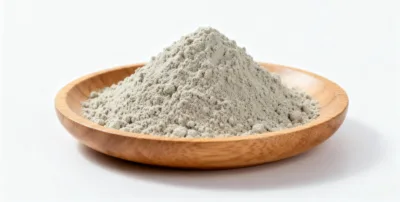
Hemp Peptide Powder
Highly bioavailable, easily digestible plant protein with functional benefits from organic hemp.
Related Posts