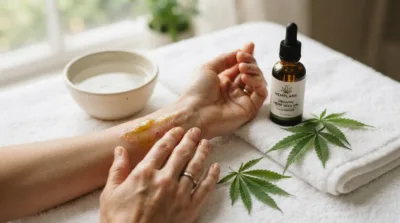
Carrier oils are the foundation of any skincare routine. With so many options (hemp seed oil, coconut oil, jojoba oil, argan oil, rosehip oil), choosing the right one for your skin type can feel overwhelming. Some oils sink in fast with no trace. Others sit on top and clog pores. Some are rich in vitamins, others in fatty acids. This guide compares five popular carrier oils side by side so you can choose with confidence.
What Are Carrier Oils?
Carrier oils are pressed from the fatty parts of plants, seeds, nuts, and kernels. Unlike essential oils, which are highly concentrated and need dilution, carrier oils are safe to apply directly to the skin in pure form. The name comes from their aromatherapy role: they “carry” essential oils onto the skin by diluting them to a safe concentration.
But carrier oils do far more than act as a neutral base. Each has its own fatty acid profile, vitamin content, and absorption traits that give standalone skin benefits. The best one for you depends on your skin type, your specific concerns, and how your skin reacts to different textures.
Hemp Seed Oil
Hemp seed oil is cold-pressed from the seeds of the *Cannabis sativa* plant. It contains no THC and no CBD. It is a culinary and cosmetic oil, not a cannabis product. That distinction matters, since confusion between hemp seed oil and CBD oil is common.
Comedogenic Rating: 0
On the comedogenic scale, which rates pore-clogging likelihood from 0 to 5, hemp seed oil scores a 0. It will not clog pores, making it one of the safest carrier oils for acne-prone and oily skin. Many breakout-prone people avoid facial oils altogether, but hemp seed oil hydrates without blocking follicles.
Fatty Acid Profile
Hemp seed oil’s defining feature is its omega composition. It carries an omega-6 to omega-3 ratio of about 3:1, which closely matches the ideal ratio for human health. Most modern diets skew heavily toward omega-6 at the expense of omega-3, and that imbalance can feed inflammatory skin conditions like acne, eczema, and psoriasis. Applying hemp seed oil for skin delivers those balancing fatty acids exactly where they are needed.
Hemp seed oil is also rich in linoleic acid, an omega-6 that research links to benefits for acne-prone skin. Studies show people with acne tend to have lower linoleic acid in their skin’s surface lipids, and replenishing it can help reduce clogged pores and inflammation.
Additional Nutrients
Hemp seed oil contains gamma-linolenic acid (GLA), a rare omega-6 with potent anti-inflammatory properties. GLA calms redness, irritation, and conditions like eczema and dermatitis, which makes hemp seed oil especially valuable for sensitive and reactive skin. The oil also supplies vitamins A and E, which support skin repair and guard against environmental damage.
Texture and Absorption
Hemp seed oil has a light, slightly nutty scent and a thin, non-greasy texture. It absorbs rapidly without leaving a heavy film and layers well under moisturizers or sunscreen.
Best For
Hemp seed oil suits all skin types, including oily, acne-prone, combination, dry, and sensitive skin. It is the one facial oil for anyone who wants hydration without clogged pores, and its anti-inflammatory GLA helps with redness, irritation, or eczema. For a broader look at the 15 benefits of hemp seed oil, HEMPLAND provides a detailed resource.
Coconut Oil
Coconut oil is extracted from the kernel of mature coconuts. Solid at room temperature and melting on body heat, it is one of the most used natural oils in skincare and cooking. Its DIY beauty popularity is undeniable, but facial use needs a careful look.
Comedogenic Rating: 4
Coconut oil scores a 4 out of 5 on the comedogenic scale, meaning it is highly likely to clog pores. Its saturated fat can solidify inside pores and trap dead skin cells and bacteria. For acne-prone, oily, or combination skin, coconut oil is generally not recommended on the face.
Antibacterial Properties
Coconut oil has antibacterial properties from lauric acid, which makes up roughly 50% of its fatty acids. That makes it useful for body care, as a natural deodorant base or mild fungal treatment, but those benefits do not outweigh the pore-clogging risk on the face.
Texture and Absorption
Coconut oil has a heavier, richer texture that takes longer to absorb and can leave a noticeable occlusive layer. That makes it an effective moisture sealant for very dry areas like elbows and heels, but it contributes to congestion on the face.
Best For
Coconut oil earns its place on arms, legs, elbows, and knees as a body moisturizer, and as a hair mask or scalp treatment. It is not recommended for facial use, especially for acne-prone or oily skin. While it has a firm place in body care and hair treatments, it is not the ideal daily facial moisturizer next to options like hemp seed oil or argan oil, both rated 0 on the comedogenic scale.
Jojoba Oil
Jojoba oil is technically a liquid wax ester, not a true oil, extracted from the seeds of the jojoba shrub. Its chemical structure closely resembles human sebum, the natural oil the skin produces.
Comedogenic Rating: 2
With a comedogenic rating of 2, jojoba has a moderately low chance of clogging pores. It sits in the middle: safer than coconut oil but not as universally non-comedogenic as hemp seed oil or argan oil.
Mimics Natural Sebum
Jojoba’s most notable feature is that its structure resembles human sebum. When applied, it can help regulate sebum production by signaling the glands that enough oil is already present. That makes it useful for combination skin, where some areas are oily and others dry.
Stability and Texture
As a liquid wax, jojoba is remarkably stable with a long shelf life. Its silky, almost dry texture absorbs faster than coconut oil but slightly slower than hemp seed oil, leaving a comfortable non-greasy finish.
Best For
Jojoba suits combination and balanced skin, mature skin that benefits from sebum regulation, and anyone who prefers a lightweight, silky feel. It is a solid all-rounder, though it lacks the anti-inflammatory GLA that makes hemp seed oil particularly valuable for sensitive and reactive skin.
Argan Oil
Argan oil is pressed from the kernels of the argan tree in southwestern Morocco. Often called “liquid gold” for its rich color and relatively high price, it has a strong reputation in hair care and facial skincare.
Comedogenic Rating: 0
Argan oil scores a 0 on the comedogenic scale, placing it in the same non-comedogenic category as hemp seed oil for pore safety.
Rich in Vitamin E
Argan oil is exceptionally high in vitamin E, a fat-soluble antioxidant that protects skin cells from free radical damage and supports the skin barrier. Its fatty acid profile includes oleic and linoleic acids, though its omega-6 to omega-3 ratio is less balanced than hemp seed oil’s.
Texture and Cost
Argan oil has a lightweight texture that absorbs well, feeling slightly richer than hemp seed oil but far lighter than coconut oil. Authentic cold-pressed argan oil is labor-intensive to produce, making it more expensive per ounce than hemp seed oil or jojoba oil.
Best For
Argan fits dry and mature skin, hair repair and split-end treatment, and anyone wanting a vitamin E-rich facial oil. It excels at moisturizing and protecting dry or aging skin, but for the anti-inflammatory and omega-balancing benefits of GLA and linoleic acid, hemp seed oil offers advantages argan cannot match.
Rosehip Oil
Rosehip oil is cold-pressed from the seeds of rose bushes, primarily the *Rosa canina* species. It has a dedicated following for skin-renewing properties and shows up often in anti-aging products.
Comedogenic Rating: 1
Rosehip oil has a comedogenic rating of 1, indicating a very low chance of clogging pores. It is safe for most skin types, including those prone to occasional breakouts.
Vitamin A and C Content
Rosehip’s standout feature is its natural vitamin A content, the precursor to retinoids like retinol. The concentration is far lower than in a retinol serum, but it provides a gentle source of this skin-renewing compound. Rosehip also contains vitamin C, which supports collagen production and helps fade hyperpigmentation.
Scar Healing and Texture
Rosehip has been studied for improving scar appearance and reducing post-inflammatory marks from acne. Its dry texture absorbs very fast with no greasy residue, though it may feel less moisturizing for very dry skin next to richer oils. Authentic rosehip oil is more expensive than hemp seed oil and has a shorter shelf life.
Best For
Rosehip suits anti-aging routines and fine-line prevention, scar treatment and hyperpigmentation, and anyone wanting a dry-finish facial oil. While rosehip is excellent for aging concerns, hemp seed oil offers broader versatility across skin types at a lower price. For hemp seed oil for wrinkles, pairing rosehip with hemp seed oil gives you rosehip’s gentle vitamin A renewal plus hemp’s GLA-rich anti-inflammatory support.
Comedogenic Rating Comparison Table
The table below ranks the five oils on that scale, which runs from 0 (will not clog pores) to 5 (highly likely to cause breakouts).
| Carrier Oil | Comedogenic Rating | Pore-Clogging Risk |
|---|---|---|
| Hemp Seed Oil | 0 | None |
| Coconut Oil | 4 | High |
| Jojoba Oil | 2 | Low |
| Argan Oil | 0 | None |
| Rosehip Oil | 1 | Very Low |
A rating of 0 does not guarantee zero reactions, skin is individual. But the scale is a reliable starting point. Oils rated 0 or 1 are generally safe bets, 2 calls for more caution, and 3 and above carry meaningful clogging risk.
The contrast between hemp seed oil (0) and coconut oil (4) is the most striking here. Despite both being natural plant oils, they sit at opposite ends of the pore-clogging spectrum, which is why many people switch from coconut to hemp after facial breakouts.
Which Oil Is Best for Your Skin Type?
Different skin types need different things from a carrier oil.
Oily and Acne-Prone Skin
For oily and acne-prone skin, the top choices are hemp seed oil (rating 0) and argan oil (rating 0). The priority is moisture without congestion. Both are non-comedogenic, but hemp adds an edge: its high linoleic acid helps restore balance to acne-prone skin, which studies show tends to run low on linoleic acid, and its GLA calms active breakouts and reduces redness. If you are acne-prone, avoid coconut oil on the face.
Dry Skin
For dry facial skin, the top choices are hemp seed oil (face) and coconut oil (body). Hemp provides hydration without heaviness, absorbing into skin rather than sitting on top. For very dry body areas (elbows, knees, heels), coconut’s occlusive texture gives a stronger moisture seal where pores are less likely to clog.
Mature Skin
For mature skin, the top choices are argan oil and rosehip oil. Mature skin benefits from the antioxidant protection of vitamin E in argan and the gentle cell renewal from vitamin A in rosehip. For mature skin that is also sensitive or prone to redness, layering a few drops of hemp seed oil underneath adds anti-inflammatory protection without weight.
Sensitive Skin
For sensitive skin, the top choice is hemp seed oil. The GLA in hemp is a standout for sensitive skin. It is a potent anti-inflammatory fatty acid that helps reduce redness, irritation, and reactivity, and its comedogenic rating of 0 adds no clogging stress to already compromised skin.
Combination Skin
For combination skin, the top choices are jojoba oil and hemp seed oil. Combination skin (oily T-zone, dry cheeks) needs an oil that mediates between excess oil and dry patches. Jojoba’s sebum-mimicking structure can signal the skin to produce less oil where overactive. Hemp is light enough for oily zones but moisturizing enough for dry areas, so many people with combination skin can use it all over without issue.
Can You Mix Carrier Oils?
Yes, and mixing is one of the best ways to customize your skincare. Many commercial formulas blend multiple carrier oils to combine their strengths, and you can do the same at home with a few drops.
Hemp seed oil and jojoba balance anti-inflammatory support with sebum regulation, a pairing that works for combination and oily skin. Hemp with rosehip is anti-aging and calming, with hemp’s GLA and linoleic acid working alongside rosehip’s vitamin A renewal, ideal for mature skin and post-acne marks. Hemp with argan joins two non-comedogenic oils for moisture and antioxidant protection, suited to dry, normal, and mature skin.
Start with small amounts, a single application’s worth. A common starting ratio is 50/50, adjusting based on the benefit you want to prioritize. Combine in your palm, warm between your fingers, and press into damp skin.
Organic hemp seed oil from HEMPLAND is an excellent foundation oil for blends. Its non-comedogenic nature and lightweight texture make it compatible with virtually any other carrier oil.
The Bottom Line
Each of these five carrier oils brings something useful. Coconut offers deep moisture and antibacterial properties for body care but is too comedogenic for most faces. Jojoba mimics natural sebum for balanced combination skin. Argan delivers vitamin E for dry and mature skin. Rosehip supports renewal with natural vitamins A and C.
Hemp seed oil stands out with a comedogenic rating of 0, safe for every skin type, a 3:1 omega-6 to omega-3 ratio that most carrier oils lack, and GLA anti-inflammatory potency unmatched in this comparison. Its lightweight texture absorbs fast and layers seamlessly.
For a single, all-purpose facial oil that offers nutrition, absorption, and pore safety in one bottle, hemp seed oil gives the best overall balance. Used alone, as a carrier for essential oils, or blended with others for customized care, it earns a central place in any natural routine.
*If you have questions about which HEMPLAND product is right for your skin, please reach out.*
Frequently Asked Questions
Q: Is hemp seed oil comedogenic for skin formulations? A: Hemp seed oil is generally considered low-comedogenic and suits most skin types, including acne-prone skin, when used at appropriate inclusion rates.
Q: How does hemp seed oil compare to jojoba or argan oil? A: Hemp seed oil is prized for its balanced omega profile and light feel; jojoba mimics skin sebum, while argan is richer in vitamin E, each fits different formulation goals.
Q: What is the shelf life of hemp seed oil in cosmetics? A: Store refrigerated, away from light and oxygen; typical cosmetic shelf life is 6-12 months with proper antioxidants.
Related Articles
—
Recommended Products

Organic Hemp Seed Oil
Premium organic hemp seed oil — cold-pressed, virgin & extra virgin grades. Perfect 3:1…