
Eczema and psoriasis are two of the most common chronic skin conditions worldwide, together affecting hundreds of millions of people. Eczema, also known as atopic dermatitis, causes dry, red, intensely itchy patches that can crack and weep. Psoriasis produces thick, silvery-scaled plaques driven by an overactive immune response that accelerates skin cell turnover far beyond normal rates. While neither condition has a cure, both can be managed through a combination of moisturizers, anti-inflammatory treatments, trigger avoidance, and stress reduction.
In the search for natural adjuncts to conventional care, cold-pressed hemp seed oil has attracted growing attention from patients, dermatologists, and formulators alike. Unlike heavier plant oils that sit on the skin’s surface, hemp seed oil absorbs quickly and delivers a profile of fatty acids that aligns with what inflamed, compromised skin needs most: barrier repair, inflammation control, and deep moisture without pore congestion.
One note before going further: “hemp seed oil” here means oil pressed strictly from the seeds of the *Cannabis sativa* plant. It contains no CBD, no THC, and no psychoactive compounds. It is a food-grade seed oil, not a cannabinoid product.
Understanding eczema and psoriasis
Before examining how hemp seed oil interacts with these conditions, it helps to understand what is happening beneath the skin’s surface.
Eczema (atopic dermatitis) is a chronic inflammatory skin disorder rooted in two interrelated dysfunctions: an overactive immune system and a compromised skin barrier. In healthy skin, the stratum corneum, the outermost layer, acts as a selectively permeable shield, retaining moisture and blocking irritants, allergens, and microbes. In eczematous skin, this barrier is defective, often due to genetic mutations in the filaggrin protein that normally helps bind skin cells together. The result is excessive transepidermal water loss and vulnerability to environmental triggers. The immune system, already primed toward allergic-type responses, reacts to these invading irritants with persistent inflammation, producing the characteristic redness, swelling, and relentless itch.
Psoriasis is fundamentally different in origin but shares the common thread of uncontrolled inflammation. It is an autoimmune condition in which T-cells, a type of white blood cell, mistakenly attack healthy skin cells. In response, the body accelerates the production of new skin cells to a rate roughly ten times faster than normal. Instead of shedding quietly, these excess cells pile up on the surface, forming thick, scaly plaques that are often painful and prone to cracking. Underneath, inflammation continues to simmer, fueling a cycle that can persist for years or decades.
What both conditions share, beyond their visibility and psychological impact, is a core of inflammation-driven tissue damage and barrier dysfunction. Any natural intervention that aims to help must address those two factors simultaneously. This is where hemp seed oil’s unique composition becomes relevant.
Why hemp seed oil may help: the GLA connection
The single most distinctive fatty acid in hemp seed oil is gamma-linolenic acid (GLA), an omega-6 compound present at approximately 2-4% of the total oil. GLA is rare in the plant kingdom. The only other significant natural sources are evening primrose oil, borage oil, and black currant seed oil, all of which have been studied extensively for inflammatory skin conditions precisely because of this compound.
What makes GLA interesting for eczema and psoriasis is its role in the body’s inflammatory signaling cascade. Once absorbed, either through the skin or via digestion, GLA is converted into dihomo-gamma-linolenic acid (DGLA). DGLA, in turn, serves as a precursor to anti-inflammatory prostaglandins, specifically those in the series-1 group. These prostaglandins help counterbalance the pro-inflammatory series-2 prostaglandins that fuel the redness, swelling, and itching characteristic of eczema and psoriasis flares.
A body of research, while not large by pharmaceutical standards, has explored GLA supplementation for atopic dermatitis. Some early trials, including studies in the 1990s and early 2000s using evening primrose oil and borage oil, reported measurable reductions in itching, scaling, and the need for topical corticosteroids. Not all studies have been positive; a 2013 Cochrane review found the evidence for evening primrose oil and borage oil in eczema to be inconsistent overall. However, the authors noted significant variation in study design, dosage, and treatment duration, and they stopped short of concluding GLA is ineffective. The picture that emerges from the literature is that GLA-rich oils help a subset of eczema patients, particularly those with moderate disease and no other effective options, and that response is highly individual.
Hemp seed oil offers GLA in combination with a uniquely balanced broader fatty acid profile, which distinguishes it from single-source GLA oils. The presence of both omega-3 and omega-6 in near-optimal proportion means that hemp seed oil supports anti-inflammatory pathways from multiple angles, not just through the GLA route alone.
Omega-3 and omega-6: the fatty acid balance
Fatty acid balance involves several interacting pathways. It is a complex network of signals governed in part by the ratio of omega-6 to omega-3 fatty acids available in the body. Modern Western diets tend to be heavily skewed toward omega-6, from vegetable oils, processed foods, and grain-fed animal products, while omega-3 intake from fatty fish, flax, and walnuts often falls short. This imbalance pushes the body toward a pro-inflammatory state, which may worsen conditions like eczema and psoriasis where inflammation is already running high.
Hemp seed oil contains both omega-6 and omega-3 in a naturally occurring ratio of approximately 3:1. This ratio is widely regarded as optimal for human physiology and is rarely found in other commonly consumed oils. The dominant omega-6 is linoleic acid (LA), making up roughly 50-60% of the oil. The omega-3 is alpha-linolenic acid (ALA), at roughly 15-20%. Neither LA nor ALA can be produced by the body, both are essential fatty acids that must come from diet or topical application.
For someone managing eczema or psoriasis, that balance matters. Linoleic acid (LA), which makes up 50-60% of the oil, reinforces the skin barrier because it is a direct precursor to ceramides, the lipids that act as mortar between skin cells, and adequate LA is linked to lower transepidermal water loss and better resistance to irritants. Alpha-linolenic acid (ALA), at 15-20%, competes with omega-6 for the same enzymes, damping the production of strongly pro-inflammatory eicosanoids. And GLA works through a separate pathway that produces anti-inflammatory prostaglandins, complementing the barrier and anti-inflammatory work of LA and ALA.
Taken together, the fatty acid trio in hemp seed oil addresses the two pillars of eczema and psoriasis pathology: barrier weakness and runaway inflammation. This is not a speculative claim. It follows from well-established lipid biochemistry, and it aligns with the outcomes observed in the clinical studies that have tested GLA-rich oils on inflammatory skin disease.
Skin barrier repair
The stratum corneum has often been compared to a brick wall: the dead skin cells (corneocytes) are the bricks, and the lipids that fill the spaces between them are the mortar. In eczema, the mortar is defective. Key lipids, including ceramides, which constitute roughly 50% of the intercellular matrix, are present in lower concentrations and altered proportions. The wall becomes porous, water escapes freely, and irritants gain entry.
Linoleic acid, the dominant fatty acid in hemp seed oil, plays a direct structural role in barrier repair. Within the epidermis, linoleic acid is incorporated into acylceramides, a specialized class of ceramides that are essential for forming the lamellar lipid sheets that seal the barrier. When linoleic acid is deficient, whether due to diet, genetics, or excessive washing, the barrier cannot self-repair efficiently. Topical application of linoleic acid-rich oils has been shown in multiple dermatological studies to accelerate barrier recovery after controlled damage, more so than oils dominated by oleic acid (such as olive oil).
For eczema patients specifically, a 2018 study published in the *Journal of Clinical Medicine* evaluated fatty acid profiles in the skin of atopic dermatitis patients and found consistent linoleic acid depletion in both lesional and non-lesional skin, suggesting a systemic barrier defect. The authors concluded that lipid replacement therapy, meaning oils and moisturizers rich in physiological lipids, should be a cornerstone of eczema management. Hemp seed oil, with its 50-60% linoleic acid content, qualifies as a candidate for this role.
For psoriasis, the barrier issue is different in character but no less relevant. Psoriatic plaques have an abnormal lipid organization, and the accelerated cell turnover prevents the formation of a properly structured lipid matrix. While linoleic acid alone cannot normalize psoriatic cell proliferation, restoring the barrier reduces the secondary irritation, cracking, and infection risk that make plaques more painful and slower to heal.
Moisturizing without clogging pores
Many people with eczema or psoriasis are understandably cautious about applying oil to already-troubled skin. The fear is that heavy, greasy products will sit on the surface, trap heat, and provoke more irritation or breakouts. This is a valid concern with oils like coconut oil (comedogenic rating of 4) or wheat germ oil (comedogenic rating of 5), which can indeed clog pores and worsen acne-prone or congested skin.
Hemp seed oil carries a comedogenic rating of 0 on the standard 0-5 scale. This means it is considered non-comedogenic: it does not tend to block pores or cause acne. The reason lies in its molecular composition. Hemp seed oil is predominantly made of polyunsaturated fatty acids, which are lighter and less viscous than the monounsaturated oleic acid that dominates olive oil, avocado oil, and most nut oils. It spreads thinly, absorbs within minutes, and leaves little to no greasy residue.
This makes hemp seed oil suitable for application to the face, neck, hands, elbows, and other areas where psoriasis and eczema commonly appear. It can be used on children (with patch testing and parental supervision), on sensitive facial skin, and in skin folds where heavier products can cause maceration. For someone dealing with the dual challenge of eczema and acne, a combination that is more common than many realize, particularly in adolescents, a non-comedogenic moisturizing oil is important.
The oil also carries a secondary benefit for dry, cracked skin: it reduces friction. Dry eczematous patches can feel tight and painful when clothing or bedding rubs against them. A light coating of hemp seed oil creates a thin slip layer that reduces mechanical irritation, providing comfort in addition to moisturization.
Vitamin E and fatty acids
Fatty acids are the headline act, but hemp seed oil also contains a supporting cast of bioactive compounds that contribute to its skin-soothing profile.
Vitamin E (tocopherols) is present in meaningful concentrations, particularly gamma-tocopherol, which has distinct anti-inflammatory properties beyond its well-known antioxidant function. Vitamin E neutralizes lipid peroxidation, the oxidative degradation of skin lipids that is triggered by UV exposure, pollution, and inflammation. In eczema and psoriasis, where inflammation generates oxidative stress locally, vitamin E helps break the cycle of damage that sustains flares.
Phytosterols are plant compounds structurally similar to cholesterol. In the skin, they contribute to barrier structure and have been shown to reduce erythema (redness) and calm irritation when applied topically. Some phytosterols also exhibit mild anti-inflammatory activity by modulating cytokine production.
Polyphenols and carotenoids, present in smaller amounts in unrefined cold-pressed hemp seed oil, add incremental antioxidant capacity. Their contribution is modest compared to the fatty acids and vitamin E, but in skincare, especially for chronically inflamed skin, the cumulative effect of multiple anti-inflammatory compounds working together is generally greater than any single component alone.
This synergistic profile is why cold-pressed, unrefined hemp seed oil is preferred for therapeutic skin applications. Refining processes strip away many of these minor compounds, yielding a neutral oil that is functionally a fatty acid delivery vehicle without the antioxidant bonus. For eczema and psoriasis, the cold-pressed form preserves the full spectrum of skin-relevant nutrients.
How to use hemp seed oil for eczema and psoriasis
Hemp seed oil can be used in multiple ways, and the best approach often combines topical application with dietary intake for systemic and local effects working in parallel.
Topical application
Topical use is the most direct route. Apply 2-3 drops to clean, slightly damp skin within three minutes of patting dry, since damp skin absorbs oils better than bone-dry skin, and massage gently rather than rubbing until the oil is mostly absorbed. Twice daily (morning and before bed) is a reasonable starting point, dropping to once daily for milder cases; let your skin tell you when you have used enough. For isolated plaques, dab a single drop onto the fingertip and avoid aggressive rubbing, which can further irritate active psoriasis. For stubborn, very dry patches, especially in children with moderate-to-severe eczema, a thin layer under damp cotton wraps overnight, the technique called wet wrap therapy, can boost penetration; check with a dermatologist before trying it at home.
Dietary use
Systemic use supports the skin from the inside out, since fatty acids consumed through diet are incorporated into cell membranes throughout the body, including the skin. Start with 1 teaspoon (about 5 mL) daily with food, and if it sits well, gradually increase to 1-2 tablespoons over two weeks; more is not better, the goal is consistent, moderate intake. Use it in salad dressings, over roasted vegetables, in smoothies, stirred into oatmeal or yogurt, or as a finishing oil for soups and grain bowls. Its smoke point is low (about 165°C / 330°F), so never fry or high-heat cook with it, heat destroys the beneficial fatty acids and creates oxidative byproducts. Store it in a cool, dark place and refrigerate after opening, because its high polyunsaturated content makes it oxidize faster than olive or coconut oil; use it within the label’s recommended window and discard it if it develops a bitter, paint-like smell, the sign of rancidity. Freshness matters for both safety and effect.
Bath soak
Adding hemp seed oil to a warm (not hot) bath can provide whole-body relief during widespread flares. Add 1-2 tablespoons of oil to the bathwater after the tub is filled, swish to disperse, and soak for 15-20 minutes. The thin consistency of hemp seed oil means it forms a light film on the surface rather than a heavy slick, and some will adhere to the skin as you exit the bath. Rinse only if the residue feels uncomfortable; otherwise, pat dry gently and let the remaining oil absorb. Be cautious with the tub surface afterward, as residual oil can make it slippery.
Combining with other treatments
Hemp seed oil works well alongside most conventional eczema and psoriasis treatments. It can be applied before or after prescription topical medications, though it is best to leave a gap of 15-30 minutes between products so each has time to absorb without interference. For those using topical corticosteroids or calcineurin inhibitors, the oil can serve as a moisturizing base that reduces the dryness and thinning often caused by long-term steroid use. If you use medicated shampoos or scalp solutions for scalp psoriasis, a separate nighttime scalp massage with a few drops of hemp seed oil can help calm the dryness and flaking that remains after medicated washes.
Important precautions
Patch test first: apply a small amount to the inner forearm or behind the ear, wait 24 hours, and check for redness, itching, or swelling before broader use, since hemp seed allergy, though rare, is real. Do not apply to broken or infected skin without medical guidance; if a patch is weeping, bleeding, or showing signs of infection (warmth, yellow crusting, spreading redness), hold off on topical oils and see a dermatologist. Avoid the eye area, as any oil can blur or irritate if it migrates in. And favor consistency over intensity: natural oils work cumulatively, so a disciplined, moderate routine sustained over weeks and months does more than aggressive short-term application.
For a broader guide on incorporating hemp seed oil into skincare across different skin types, see our article on how to use hemp seed oil for skin.
What research says
The scientific literature on hemp seed oil specifically for eczema and psoriasis is thin, no large-scale randomized controlled trials have studied hemp seed oil alone as an intervention for either condition. The evidence that does exist comes from adjacent research on GLA-rich oils and from the well-characterized biochemistry of the fatty acids in hemp seed oil.
GLA studies: Multiple trials on evening primrose oil and borage oil for atopic dermatitis have been conducted. A meta-analysis published in the *British Journal of Dermatology* found modest but statistically significant improvements in itching, scaling, and overall severity scores in patients receiving GLA compared to placebo. The effect was most pronounced in patients who were not simultaneously using potent topical steroids, suggesting that GLA’s anti-inflammatory contribution is most visible when it is not masked by stronger interventions. A 2013 Cochrane review was more reserved, finding the evidence base insufficient for a blanket recommendation but noting that some patients respond clearly and consistently.
Omega-3 research: Dietary omega-3 fatty acids have been studied in psoriasis with mixed but generally encouraging results. A 2014 review in the *Journal of the American Academy of Dermatology* reported that omega-3 supplementation reduced psoriasis severity in several small trials, though effect sizes were moderate and results were not uniform across all studies. The mechanism is believed to involve competition between omega-3-derived eicosanoids and the pro-inflammatory omega-6-derived leukotrienes that drive psoriatic inflammation.
Anecdotal evidence: Among patients and practitioners in the natural skincare community, reports of hemp seed oil providing relief for eczema and psoriasis are common and largely positive. Users typically describe reduced itching within days, softer and less flaky skin within one to two weeks, and fewer and less severe flares over months of consistent use. Anecdotal evidence is not a substitute for controlled research, but it can indicate promising directions worth investigating further.
Why the gap in evidence exists: Large-scale clinical trials are expensive, and hemp seed oil, as a natural, non-patentable food product, lacks the commercial incentive structure that drives pharmaceutical research. The absence of definitive evidence is not evidence of absence. What exists is a coherent biochemical rationale, encouraging pilot data from GLA and omega-3 trials, and a pattern of positive real-world reports that is difficult to dismiss. More dedicated research on hemp seed oil specifically for eczema and psoriasis is warranted and would be valuable to patients and clinicians alike.
The honest summary is this: hemp seed oil is not a proven medical treatment for eczema or psoriasis in the sense that a prescription drug is proven. It is a complementary, supportive option grounded in sound biochemistry, supported by indirect evidence from GLA and omega-3 research, and endorsed by a substantial body of anecdotal experience. It should be used alongside, not instead of, the treatment plan developed with your dermatologist.
Who should be cautious
While hemp seed oil is well tolerated by most users, certain groups should exercise caution or avoid it altogether.
Genuine allergy to hemp seeds is rare. Reported cases involve hives, swelling, respiratory symptoms, or, very rarely, anaphylaxis, so anyone with a known allergy to cannabis plants or hemp products should avoid hemp seed oil, and anyone with general seed or nut allergies should patch test under supervision first. Even non-comedogenic botanical oils can trigger contact dermatitis in a small minority with extremely reactive skin, so a 24-hour patch test is wise for anyone with a history of contact allergies. Omega-3 fatty acids, including the ALA in hemp seed oil, have mild antiplatelet activity: they slightly reduce how readily platelets clump. For most people this is trivial and possibly beneficial, but for those on prescription anticoagulants (warfarin, apixaban, rivaroxaban, dabigatran) or antiplatelet drugs (clopidogrel, therapeutic aspirin) there is a theoretical additive risk, so check with the prescribing physician before adding hemp seed oil to the diet. Pregnancy and breastfeeding lack controlled safety data, and although the omega-3s are consistent with nutritional guidance, the precautionary principle should guide the decision, so consult a healthcare provider. Stop hemp seed oil supplementation at least two weeks before any scheduled surgery because of the same antiplatelet effect, and tell the anesthesiologist about all supplements. The bottom line is that hemp seed oil is safe to try for most people with eczema or psoriasis. These precautions are not unique to it. They apply to most plant oils and dietary supplements, and they exist mainly to protect a small minority with specific vulnerabilities.
Conclusion
Hemp seed oil will not cure eczema or psoriasis, and neither does anything else on the market, but it lines up with what inflamed, compromised skin actually needs. Its gamma-linolenic acid, at about 2-4% of the oil, provides a targeted anti-inflammatory signal that has been studied specifically in the context of atopic dermatitis. Its balanced omega-6 to omega-3 ratio of roughly 3:1 helps modulate the broader inflammatory environment that drives both conditions. Its linoleic acid, around 55% of the oil, directly supports barrier repair by supplying the raw material for ceramide synthesis, addressing the structural defect at the heart of eczematous skin. Its vitamin E and phytosterols add antioxidant and calming support. And it does all of this in a lightweight, non-comedogenic carrier, rated 0 on the comedogenic scale, that absorbs quickly and leaves no greasy residue, making it practical for daily use on face and body.
The evidence, while not conclusive by the standards of pharmaceutical research, points in a consistently positive direction. The mechanisms are grounded in established lipid biochemistry. The anecdotal record among users is substantial and generally favorable. For someone seeking a natural, accessible complement to an existing eczema or psoriasis plan, hemp seed oil is a reasonable, low-risk option to discuss with a dermatologist. For a different angle on the same anti-inflammatory and barrier-supportive benefits, see our guide to hemp seed oil for wrinkles.
Hemp seed oil for eczema: GLA and omega spec sheet
| Attribute | Value | B2B Note |
|---|---|---|
| Gamma-linolenic acid (GLA) | 2-4% of oil | Soothes inflamed skin |
| Linoleic acid (LA) | ~55% | Barrier repair |
| Alpha-linolenic acid (ALA) | ~18-20% | Antioxidant support |
| Omega-6:3 ratio | ~3:1 | Balanced for leave-on |
| Comedogenic rating | 0-1 (low) | Safe for face/body |
| Shelf life | 6-12 months refrigerated | Add tocopherols |
*Source: USDA FoodData Central; COA varies by batch.*
Cream formulation ideas
Use hemp seed oil at 3-8% in eczema and psoriasis creams and balms. Its GLA and LA content target barrier repair and itch reduction. Cold-add post-emulsification below 40°C, stabilize with vitamin E, and pair with colloidal oatmeal for a soothing base. For oily-skin formats see hemp seed oil for acne-prone skin.
Frequently asked questions
Q: Should I patch-test first? A: Yes. Apply a small amount to the inner forearm for 24-48 hours. Although hemp seed oil is low-allergen, individual sensitivity varies and patch testing protects both brand and user.
Q: How much oil per formula? A: 3-8% in a cream base is typical for leave-on eczema care; higher levels add occlusivity without greasiness due to the low comedogenic rating.
Q: Can it be used with scalp care? A: The same fatty-acid profile suits hemp seed oil for hair growth and pairs with who should not take hemp seed oil internal-use guidance.
Related reading
For related reading, see Hemp Seed Oil for Acne, Hemp Seed Oil for Hair, and Who Should Not Take Hemp Seed Oil.
*Disclaimer: This article provides general educational information and is not a substitute for professional medical advice, diagnosis, or treatment. Always consult a qualified dermatologist or healthcare provider before starting any new skincare product or dietary supplement, particularly if you have a diagnosed skin condition, are pregnant or breastfeeding, or are taking prescription medications.*
Recommended Products
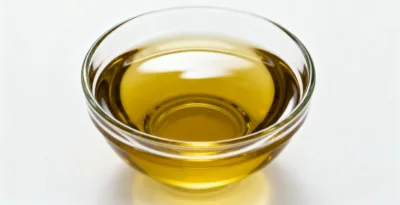
Organic Refined Hemp Seed Oil
100% Certified Organic • Non-GMO ingredient • Neutral Flavor • High Smoke Point 232°C
Related Posts