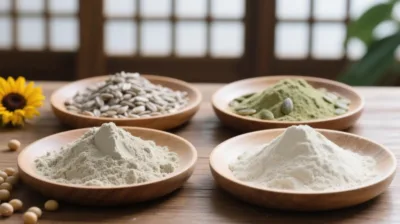
Choosing a plant protein for a new formulation comes down to a short list of variables: protein percentage on the label, amino acid completeness, allergen position, behaviour in your process, plus the cost per gram of protein. HEMPLAND’s organic sunflower protein powder runs at 60% protein or higher with a complete amino acid composition, and it is inherently free of the common allergens that come with soy and pea protein. That makes it a clean fit for formulations built around avoiding soy and pea declarations. It is a different answer to the same brief, not a downgrade of pea or soy.
What sunflower protein is
Sunflower protein is what remains once the oil is taken out of the seed. HEMPLAND produces an organic sunflower seed protein powder from USDA Organic and EU Organic sunflower seeds that are cold-pressed at low temperature and then fine-milled into powder. The press step removes the oil, and the milling step turns the defatted material into protein powder. Production runs in a GMP facility.
Three characteristics carry most of the buying decisions:
- Protein content of 60% or higher
- Complete amino acid composition
- Inherently free of the common allergens associated with soy and pea protein
The third point is where sunflower protein separates itself from the two plant proteins that dominate the category. Soy is a declarable allergen, and pea concentrates bring a flavour note that some applications cannot accommodate. A protein that arrives with neither of those issues attached changes what a brand can put on a pack. The powder is sold as bulk organic sunflower protein in kraft paper sacks for industrial volumes, with retail pouch sizes available for smaller runs.
Sunflower protein versus pea and soy protein
Two problems are attached to soy protein that any formulator will have run into. Soy is a declared allergen, so the label has to state it and the addressable audience narrows. Soy also carries phytate, a compound that binds minerals and can reduce how much of them the body absorbs.
Pea protein does not carry a declarable allergen, and it introduces a different consideration. Pea concentrates and isolates are often described as having a bean-like or earthy flavour, which is hard to mask in an unflavoured application. A fair share of consumers also report digestive discomfort after eating pea protein concentrate.
Sunflower protein sits outside both problem sets. It is inherently free of the common allergens that come with soy and pea protein, and it does not bring the flavour profile that makes pea concentrate awkward in neutral applications. That is a narrower and more useful advantage than a general claim about quality, and it is the advantage that decides a great many briefs.
Protein content and amino acid profile
Our organic sunflower protein powder is 60% protein or higher, with a complete amino acid composition. Our organic hemp seed protein is offered in three grades at 70%, 75% and 80% protein, produced by mechanical cold pressing without solvent.
Read the two numbers side by side instead of treating them as a ranking. If a label needs the highest possible protein per serving and per unit of finished product, the 80% grade gets there with the least impact on texture and format. The 60% sunflower figure is a workable position, and the amino acid composition behind it is complete.
The practical difference shows up in the arithmetic of a finished product. Protein percentage decides how much powder you add per serving, which decides cost per serving and how much of the rest of your base you have to compensate for. Formulators building a high-protein end product usually look at the hemp grades first, then check whether a 60% complete-profile sunflower seed protein is enough for the slot they are filling. Pumpkin seed protein and other seed-based powders sit in the same family, and published percentages there are supplier-specific, so certificate-of-analysis values are a better basis for comparison than category habits.
Allergen and labelling considerations
The allergen position is the one that has grown fastest, and it is where sunflower protein reads as a clean choice, with one qualifier that needs stating clearly.
The powder is inherently free of the common allergens associated with soy and pea protein. There is no soy protein and no pea protein in the ingredient, and the cold-press and fine-mill process does not pull either into it. For a brand that cannot carry a soy declaration, or that serves customers avoiding pea, that removes a long list of questions from technical and retail buyers.
The qualifier is sunflower itself. Sunflower is a declarable allergen in the European Union and in several other markets, so a finished product built on this powder carries its own sunflower allergen statement, on top of whatever its destination market requires for the rest of the formula. Anyone writing a sunflower protein label should plan for that line from the start instead of meeting it at artwork stage. Ingredient-level allergen control and finished-label declarations are separate exercises, and this is where the two get confused. For anything beyond soy and pea, ask for the current specification sheet for the grade and destination market rather than inferring a status from the ingredient name.
Functional behaviour and where formulators use it
Sunflower protein is used across three broad product types in formulation work: bakery, bar and snack, and plant-based beverages.
- Baking: as a protein contributor in bread, buns and biscuit-style products, where the powder has to hold through the bake
- Bars and snacks: where a plant protein base needs to bind together and carry inclusions
- Plant-based beverages: in ready-to-drink and powdered drink systems where the protein has to disperse without separating out
We would rather not publish solubility, dispersibility or foaming figures we cannot stand behind. Those numbers move with grind, residual fat and the test method used, so a figure from one data sheet is rarely comparable to a figure from another. Ask for the functional test data on the lot you are buying, alongside the current certificate of analysis, then trial it in your own base before fixing a recipe and a launch date. Any supplier who cannot share functional data for a protein powder is telling you something useful.
Pack sizes and supply
Sunflower protein powder is packed in three configurations:
- Bulk sacks: 20 kg and 25 kg kraft paper bags with a food-grade PE inner liner, MOQ 1 bag
- Retail pouches: 250 g, 500 g, 1 kg and 5 kg pouches, MOQ 200 pieces
- Ton bags: 500 kg and 1,000 kg, MOQ 1 ton
- Container loading: a 20 ft container holds approximately 18 tons
These entry points differ from our hemp seed protein, which is supplied in 20 kg and 25 kg kraft paper bags with a food-grade inner liner at MOQ 200 kg per grade, with sample sizes of 200 g to 1 kg, a full COA and MSDS documentation pack, and custom packaging available for qualified partners. A sunflower protein buyer can start with a single sack, which suits a pilot batch or a first retail run. A hemp seed protein buyer commits by the grade, which suits a product line that has already settled on a protein level.
Sourcing, formats and documentation for this ingredient are set out in more detail on our sunflower protein supplier page.
Certifications
The organic sunflower protein powder is made to the following standards:
- USDA Organic
- EU Organic
- Non-GMO
- Kosher, available on request
- Halal, available on request
- GMP manufacturing
USDA Organic and EU Organic cover the same input in two regulatory systems, which matters if you sell into both markets and want one specification instead of two parallel ones. Kosher and Halal are handled on request instead of held as standard, so factor that lead time into your first order. Our organic hemp seed protein is certified Organic (NOP), with Organic (834/2007) available on request and Non-GMO across all three grades, plus FDA registration.
Frequently Asked Questions
Q: Is sunflower protein higher in protein than pea or soy protein?
A: It depends on the product, and the supplier’s data sheet is the only comparison worth trusting. Our organic sunflower protein powder is 60% protein or higher with a complete amino acid composition. Our organic hemp seed protein comes in three grades at 70%, 75% and 80% protein.
Q: Does sunflower protein contain common allergens?
A: The powder is inherently free of the common allergens associated with soy and pea protein. Sunflower is a declarable allergen in the European Union and in several other markets, so a finished product using this powder carries its own sunflower allergen statement. For any allergen question outside soy and pea, request the current specification sheet for the grade and destination market.
Q: Can sunflower protein be used in bakery, bars and plant-based drinks?
A: Yes, those are its three main application areas. We do not publish solubility or functional figures, because those results shift with grind and test method. Ask for functional test data and the current certificate of analysis on the lot, and trial the powder in your own base before you commit to a recipe.
Q: What is the minimum order quantity and how is it packed?
A: Bulk is 20 kg and 25 kg kraft paper bags with a food-grade PE inner liner at MOQ 1 bag. Retail pouches are 250 g, 500 g, 1 kg and 5 kg at MOQ 200 pieces. Ton bags are 500 kg and 1,000 kg at MOQ 1 ton. A 20 ft container holds approximately 18 tons.
Q: Which certifications does the sunflower protein powder carry?
A: USDA Organic, EU Organic, Non-GMO and GMP manufacturing, with Kosher and Halal available on request. For a supplier file, ask for the certificate of analysis and MSDS on the specific grade before you place a purchase order.
Q: How does sunflower protein compare with hemp seed protein?
A: Hemp seed protein is supplied at 70%, 75% and 80% protein, mechanically cold-pressed without solvent, at MOQ 200 kg per grade with samples from 200 g to 1 kg and a full COA and MSDS documentation pack. Sunflower protein powder runs at 60% or higher, is supplied from a single 20 kg or 25 kg sack, and is free of the common allergens linked to soy and pea protein. Choose the hemp grades for maximum protein density, and sunflower protein for allergen positioning and a lower entry quantity.
Recommended Products

Organic Sunflower Seed Protein Powder
Premium organic sunflower seed protein powder — 50-60% protein, allergen-free plant-based protein. Mild neutral…
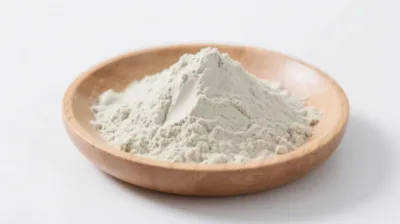
Organic Hemp Seed Protein
Premium organic hemp seed protein powder — 70%, 75%, 80% protein grades. Complete plant…
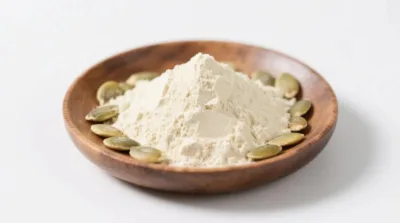
Organic Pumpkin Seed Protein Powder
Organic pumpkin seed protein powder offers ≥60% protein with high magnesium, zinc, and iron…
Related Posts