As the plant-based protein market matures, manufacturers are increasingly turning to multi-plant protein blends to achieve better taste, nutrition, and functional performance. While single-source proteins such as pea, rice, and soy have their strengths, combining multiple plant proteins can create a more complete amino acid profile and superior product experience.
One protein that plays a particularly effective role in blended formulations is organic sunflower seed protein powder — also known as organic sunflower protein, sunflower meal protein, or sunflower protein concentrate. Its neutral flavor, light color, and excellent functional properties make it an ideal partner for other plant proteins.
In this article, we explore why organic sunflower seed protein powder is becoming a “balancing protein” in modern plant-based blends.
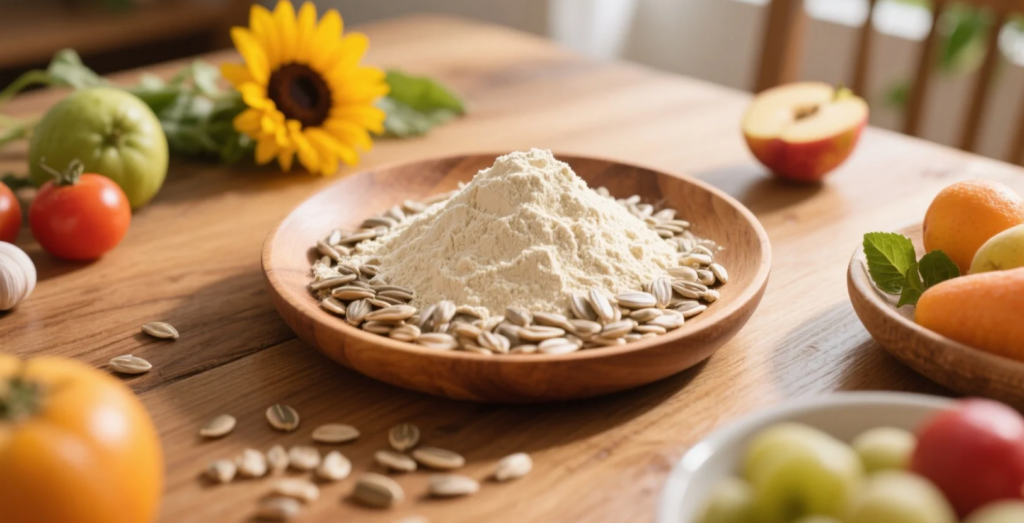
Why Blend Plant Proteins?
While plant proteins are growing in popularity, each protein source has natural gaps:
- Pea protein: strong amino acid profile but sometimes beany in flavor
- Brown rice protein: hypoallergenic but lower in lysine
- Pumpkin seed protein: nutrient-rich but has a stronger flavor
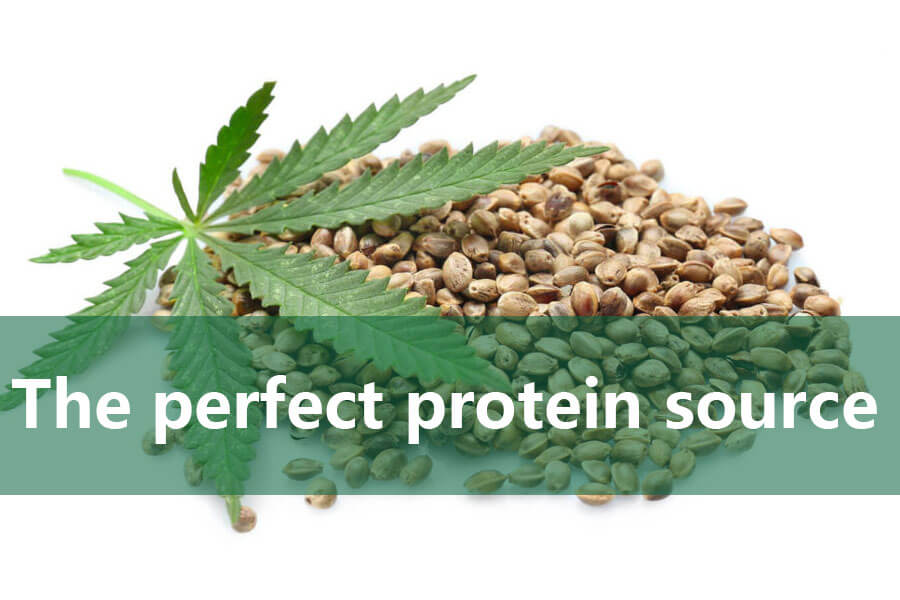
- Hemp protein: omega-rich but darker in color
Blending them can help manufacturers achieve:
- Better amino acid balance
- Improved taste profiles
- Smoother textures
- Enhanced solubility
- Higher nutritional value
- Cleaner labeling
Organic sunflower seed protein is often the ideal ingredient to “fill nutritional and functional gaps.”
Key Benefits of Adding Organic Sunflower Seed Protein to Blends
1. Complements Amino Acid Profiles
Sunflower protein is naturally rich in:
- Methionine
- Cystine
- Arginine
When blended with pea or rice protein, it helps create a more complete amino acid profile, especially beneficial for:
- Protein powders
- Sports nutrition
- Meal replacements
- Functional beverages
This allows brands to deliver optimized protein quality without synthetic fortification.
2. Improves Overall Taste and Mouthfeel
Sunflower seed protein has a mild, neutral flavor, making it useful for smoothing out the taste of stronger-flavored proteins like:
- Pea protein
- Hemp protein
- Pumpkin seed protein
It also helps:
- Reduce bitterness
- Enhance creaminess
- Improve beverage smoothness
- Support cleaner flavor profiles
For brands seeking great-tasting plant protein products, sunflower protein provides valuable sensory improvement.
3. Enhances Solubility and Mixability
Many plant proteins struggle with:
- Grainy textures
- Poor dispersibility
- Sedimentation in beverages
Organic sunflower seed protein powder blends easily with other proteins and supports:
- Better fluidity in powders
- Lower sedimentation in RTD drinks
- Improved mixing in smoothies
- Enhanced stability in protein shakes
This functionality is especially valuable for beverage manufacturers.
4. Supports Clean Label and Organic Claims
Consumers increasingly look for:
- Short ingredient lists
- Organic certification
- Free-from allergens
- Non-GMO labels
Sunflower protein naturally meets these criteria.
Blending it with pea, rice, hemp, or pumpkin seed protein supports premium, clean-label positioning across food, beverage, and supplement categories.
5. Ideal for a Wide Range of Applications
Blended plant proteins featuring sunflower seed protein are widely used in:
- Protein powders
- RTD beverages
- High-protein bars
- Dairy alternatives
- Meal replacement products
- Functional snacks
- Plant-based yogurts
- Gluten-free baking mixes
Its versatility helps stabilize and refine multi-protein formulations.
The Best Protein Partners for Sunflower Seed Protein
1. Pea Protein
Creates a balanced amino acid profile and excellent sports nutrition performance.
2. Rice Protein
Produces a hypoallergenic blend with complete protein coverage.
3. Hemp Protein
Enhances omega content and nutritional diversity.
4. Pumpkin Seed Protein
Adds minerals and micronutrient richness to the blend.
5. Chia or Flax Protein
Strengthens fiber content and functional health benefits.
Sunflower protein acts as a neutral, functional base that ties the blend together.
Final Thoughts
Organic sunflower seed protein powder is emerging as a key ingredient in multi-plant protein blends. Its neutral taste, complementary amino acid profile, excellent solubility, and clean-label credentials make it the perfect companion to other plant proteins.
For brands developing high-quality functional foods, sports nutrition products, or premium meal replacements, sunflower protein offers both formulation support and strong consumer appeal.
Related Products
Organic Sunflower Seed Protein Powder
Organic sunflower seed protein powder offers ≥80% high-quality plant protein with excellent…
Organic Pumpkin Seed Protein Powder
Organic pumpkin seed protein powder offers ≥60% protein with unique sleep support,…
Organic Hemp Seed Protein Powder
Complete Amino Acid Profile · Allergen-Free · Neutral Flavor · USDA Organic…