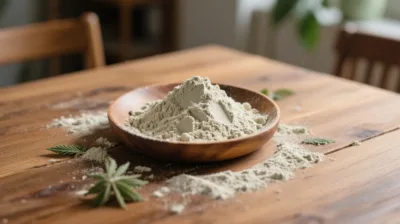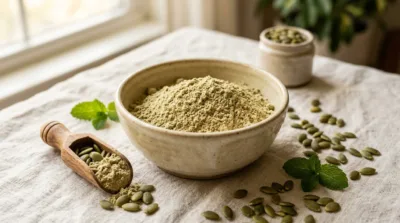
Choosing a plant protein powder used to be simple: there were maybe three brands, all made from soy, and you picked the one with the flavor you preferred. Today the category spans pea, soy, hemp, rice, sunflower, pumpkin, chia, and blends of all of the above, sold in formulations ranging from single-ingredient powders to products with ingredient lists longer than the nutrition panel itself. The sections below show how to evaluate plant protein powders in a way that matches your actual needs, dietary restrictions, fitness goals, budget, and how you plan to use the powder day to day.
Start with your goals, not the product
The most common mistake in protein powder shopping is starting with the product instead of the person using it. Different goals point toward different protein types, different formulation needs, and different price-value calculations.
If your primary goal is post-workout muscle recovery, you want a protein with a complete amino acid profile and adequate leucine content, because leucine is the primary trigger for muscle protein synthesis. Among plant proteins, pea protein generally has the highest leucine content at roughly 8 to 9 percent of total protein. Soy protein is also complete and leucine-adequate. Hemp protein has a moderate leucine level, making it suitable for general fitness but less targeted for athletes whose training centers specifically on hypertrophy. Sunflower and pumpkin proteins are adequate as daily supplementation but are not optimized for post-workout recovery as standalone products.
If your primary goal is daily protein supplementation to round out a plant-based diet, amino acid completeness matters less than total protein intake and dietary variety. Any plant protein powder will serve this purpose as long as you consume adequate total protein from varied sources across the day. For this use case, flavor, mixability, and ingredient quality become the deciding factors.
If your primary goal is a protein that integrates into cooking and baking, an unflavored, single-ingredient powder is the practical choice. Flavored powders with sweeteners will dominate the taste of whatever you are making, limiting their use to recipes where that specific flavor profile is expected. An unflavored powder blends into savory and sweet recipes alike.
If your primary goal is managing food allergies or sensitivities, the protein source itself determines whether the product is safe for you. Soy and dairy proteins are on the FDA major allergen list. Pea protein can trigger reactions in individuals with legume allergies, though pea is not a regulatory major allergen. Hemp, sunflower, pumpkin, and chia proteins are not associated with the nine major allergens, making them the default choice for allergen-conscious consumers.
Naming your goal before you look at products reduces the number of options you need to evaluate from dozens to a handful.
How to read the nutrition facts panel
The nutrition facts panel on a protein powder is your primary source of quantitative information, and reading it correctly takes about 30 seconds once you know what to look at.
Start with the serving size. Protein powder serving sizes typically range from 25 to 35 grams. A larger serving size does not necessarily mean more protein. It may mean more filler. Compare the serving size to the protein content directly.
Calculate the protein percentage. Divide grams of protein per serving by grams per serving. A single-ingredient sunflower or hemp protein powder should deliver roughly 80 to 90 percent protein by weight, with the balance coming from naturally occurring fat and fiber. A product that delivers 15 grams of protein in a 30-gram serving is only 50 percent protein, meaning the other half is carbohydrate, fat, fiber, or filler. This is not necessarily a bad product, some consumers prefer lower protein concentration for a milder taste, but you should know what you are paying for.
Check the carbohydrate content and its subcomponents. Dietary fiber and naturally occurring carbohydrates from the seed material are normal. Added sugars above a gram or two per serving indicate a sweetened formulation. Sugar alcohols like erythritol appear in some protein powders to add sweetness without calories but can cause digestive issues in sensitive individuals.
Scan the fat content. Seed proteins, hemp, sunflower, pumpkin, retain small amounts of naturally occurring polyunsaturated fats from the pressing process. This is normal and contributes to the nutritional profile. If a seed protein powder shows zero fat, it may have been solvent-extracted rather than mechanically pressed, which is worth investigating if clean label matters to you.
The micronutrient panel on a protein powder is supplementary information. Hemp protein typically contains iron, magnesium, and zinc at levels worth noting on the label. Sunflower protein provides magnesium and phosphorus. These micronutrients add value beyond the protein itself, particularly for consumers eating a plant-based diet where mineral intake requires attention.
Comparing plant protein sources
Each major plant protein has a distinct profile that determines where it performs best.
Pea protein, made from yellow split peas through wet fractionation, delivers 80 to 90 percent protein by weight. Its advantages are a complete amino acid profile, relatively high leucine content, and neutral flavor when properly processed. Its drawbacks are the earthy aftertaste in lower-quality versions and a wet fractionation process that clean label consumers may view as less transparent than mechanical-only methods.
Hemp protein is mechanically processed: cleaned, dehulled, cold-pressed, and milled. Its protein content is typically 45 to 55 percent. Advantages include mechanical-only processing, the presence of digestible storage proteins edestin and albumin, and naturally retained omega fatty acids. Drawbacks include the lower protein concentration, a nutty grassy flavor, and a higher price than soy or conventional pea.
Sunflower protein is also mechanically processed. Its protein concentration is 45 to 55 percent. Advantages include a neutral flavor, position outside the nine major allergens, and solvent-free processing. It remains less widely distributed than pea or soy. For the full profile, see organic sunflower seed protein nutrition.
Soy protein isolate is the most established and cost-effective plant protein. Conventional soy isolate uses hexane extraction, achieving 90 percent protein or higher. Organic soy uses mechanical pressing. Advantages are low cost, complete amino acids, and decades of safety data. Drawbacks are major allergen status and persistent consumer concern about phytoestrogens, though published research does not support concern at normal dietary intake.
Brown rice protein is mechanically processed but has lower protein concentration and is lysine-deficient, limiting standalone use without a complementary protein.
For a full data comparison across these sources, see hemp vs sunflower vs soy and more.
Identifying additives you may want to avoid
The ingredient list reveals formulation choices the front panel does not advertise.
Artificial sweeteners, sucralose, acesulfame potassium, aspartame, are the most common additives that clean label consumers avoid. They provide sweetness without calories, serving functional purposes for consumers tracking macronutrients. They are FDA-approved and approved by food safety authorities in most countries. Avoiding them is a personal choice based on clean label standards, no regulatory obligation exists, and no nutritional benefit from their inclusion.
Sugar alcohols, erythritol, maltitol, sorbitol, are less chemically complex than artificial sweeteners but produce digestive effects from mild bloating to intestinal distress depending on dose and individual sensitivity. Erythritol is the best-tolerated but still causes gastrointestinal symptoms in a minority of consumers. Check ingredient lists for sugar alcohols in products labeled “no artificial sweeteners”, they are classified as carbohydrate alcohols, not artificial sweeteners.
Thickening gums, xanthan, guar, carrageenan, add body and prevent separation. They are generally recognized as safe but can cause bloating at protein powder serving sizes in sensitive individuals. If you are sensitive, look for single-ingredient or minimally formulated products.
Natural and artificial flavors are catch-all terms that can encompass dozens of individual compounds. The FDA does not require individual listing. For ingredient transparency, choose unflavored powders or products with flavoring labeled as specific ingredients.
Third-party certifications and what they verify
Third-party certifications provide independent verification of claims that a manufacturer would otherwise ask you to take on faith. Understanding what each certification actually verifies prevents you from overpaying for a seal that does not mean what you think it means.
USDA Organic is the most document-intensive certification in the U.S. food system. It verifies that agricultural ingredients were grown without synthetic pesticides, synthetic fertilizers, irradiation, sewage sludge, or genetic engineering. For multi-ingredient products, it verifies that 95 percent or more of ingredients are organic. It requires annual on-site inspection by an accredited certifying agent and documented traceability from seed to finished product. A protein powder carrying the USDA Organic seal has passed an independent audit of its entire supply chain.
Non-GMO verifies that ingredients were produced without genetic engineering. It does not verify organic practices, pesticide use, or any other agricultural attribute beyond the absence of genetic modification. For consumers whose primary concern is GMO avoidance, this certification addresses that specific concern. For consumers seeking organic-level verification of agricultural practices, Non-GMO is not a substitute for USDA Organic.
Informed Sport and NSF Certified for Sport are certifications relevant to competitive athletes. They verify that a product has been tested for substances on the World Anti-Doping Agency prohibited list and that the manufacturing facility meets good manufacturing practice standards. These certifications are more common in the whey protein category than in plant protein because the whey category historically serves competitive athletes at higher volume. Plant protein products with Informed Sport certification are available but are less numerous.
Third-party certifications add cost. A certified organic product will be more expensive than a conventional equivalent because organic ingredients cost more and organic certification costs money. Whether the premium is justified depends on whether the certification verifies something you actually care about. If organic production is not a purchasing priority, paying the organic premium does not deliver value to you.
Matching protein powder to your use case
How you plan to use protein powder determines which formulation attributes matter.
For smoothies and shaker-bottle drinks, flavor and mixability are primary. A flavored powder that dissolves easily with minimal clumping creates a better experience. Pea protein with natural flavors and stevia is well-suited here.
For smoothies with fruit and other ingredients, unflavored powder gives you flavor control. Single-ingredient hemp, sunflower, or pea protein work well because the other ingredients provide flavor and the blender handles mixing.
For baking, bread, muffins, pancakes, protein bars, unflavored is non-negotiable. Flavored protein in a savory recipe ranges from disappointing to unpleasant. Sunflower protein’s neutral taste and fine texture make it a strong baking candidate. Hemp protein’s nuttier taste works in recipes where nuttiness is expected.
For applications requiring structural protein function, veggie burgers, protein bars, pea protein leads among plant proteins for its gelation properties. Hemp and sunflower proteins gel less effectively and work better where the binder is a separate ingredient.
For hot beverages, most plant proteins clump if stirred directly into hot liquid. Dissolving the powder in a small amount of cold water first, then adding hot liquid, solves this for most plant proteins.
Price, value, and what you are actually paying for
Protein powder prices span from roughly $0.65 per serving for conventional soy or pea concentrates to $2.50 or more for certified organic single-ingredient specialty proteins. Understanding what the price difference reflects helps you evaluate whether you are paying for quality or for marketing.
The protein source is the single largest cost driver. Soy protein isolate is the cheapest because soy is the most widely grown oilseed crop globally and soy processing infrastructure is the most developed. Pea protein occupies the mid-price tier because pea processing capacity has expanded rapidly over the past five years, bringing economies of scale. Hemp, sunflower, and pumpkin proteins occupy the upper price tier because production volumes are smaller, processing is less scaled, and the products are positioned in premium market segments where consumers pay for attributes like allergen avoidance and clean label.
Organic certification adds a consistent percentage premium over conventional equivalents. Organic seed prices run 30 to 50 percent higher than conventional seed prices for oilseed crops, and organic processing facilities operate at lower throughput due to segregation and cleaning requirements between organic and conventional runs.
The serving size and protein percentage combined determine your actual cost per gram of protein. A product that costs $1.00 per serving and delivers 25 grams of protein costs $0.04 per gram of protein. A product that costs $0.80 per serving and delivers 15 grams of protein costs $0.053 per gram of protein, more expensive per gram of protein despite the lower per-serving price. The arithmetic is simple but the comparison is frequently missed.
Single-ingredient products eliminate the cost of flavoring systems, sweeteners, and texturizers. An unflavored single-ingredient hemp or sunflower protein powder represents a concentrated expenditure: you are paying for the protein and nothing else. A multi-ingredient product spreads the cost across protein, flavors, sweeteners, and thickeners. For consumers who plan to add their own flavors through smoothies or recipes, the single-ingredient product is more efficient.
A decision framework for choosing
When the number of options becomes overwhelming, narrowing decisions with a simple framework reduces the cognitive load.
Start by eliminating anything you cannot consume. If you are allergic to soy, cross soy-based products off the list. If you cannot tolerate erythritol, eliminate products containing it. These are binary decisions that immediately reduce the product set.
Next, rank your priorities. If protein concentration per gram is your top priority, rank products by protein percentage and pick from the top three. If clean label is your top priority, rank by number of ingredients and ingredient recognizability. If flavor and mixability are your top priorities, look for naturally flavored products with favorable reviews for taste and texture.
Then, decide on your certification requirements. If organic is non-negotiable, eliminate all non-organic products. If third-party contaminant testing is required, eliminate products that do not publish testing results.
Finally, evaluate price per gram of protein for the remaining options. The product that meets your requirements at the lowest cost per gram of protein is your starting point. Buy the smallest size available, try it for a week, and if it works for you, commit to a larger purchase.
Conclusion
Choosing a plant protein powder is a personal optimization problem: match the product attributes to your dietary needs, fitness goals, use case, and budget, then verify what you are buying through the ingredient list and any relevant certifications.
The most common mistake consumers make is selecting a protein powder based on marketing, a branded product they recognize, a flavor that sounds appealing, a protein content number they remember from advertising, rather than on their own requirements. A powder that works well for one person’s smoothie routine may be a poor choice for another person’s baking projects.
HEMPLAND’s product range, including single-ingredient organic hemp protein and organic sunflower seed protein, serves consumers who have evaluated their needs and concluded that a transparently sourced, mechanically processed, certified organic protein without added flavors, sweeteners, or texturizers fits their use case. The products are not designed to be everything to everyone. They are designed to be exactly one thing: the protein, nothing else.
Documentation including organic certificates and third-party testing results is available for every batch. For product-specific questions or documentation requests, contact us.
Related Posts