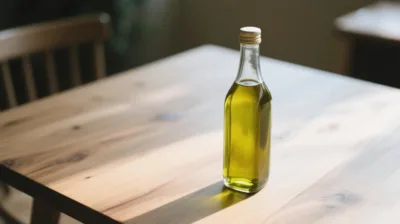
The path that hemp seed oil takes from a planted field to a sealed bottle is longer and more deliberate than most shoppers realize. This article walks through how cold-pressing turns hemp seeds into oil, and what organic certification actually requires along the way.
The cold-pressing process
Seed selection and preparation
It starts with the seeds themselves. Growers raise the crop under organic farming rules, then clean and sort the harvested seeds so only sound ones move on to extraction. Damaged or immature seeds are pulled out here, because they affect both yield and the flavor of the finished oil.
The cold-pressing technique
Cold-pressing is a purely mechanical step: seeds are crushed between a rotating screw and a chamber wall, with no added heat beyond what friction creates. That matters because heat and chemical solvents strip away the very compounds people buy hemp seed oil for. The expeller screw press has been the standard tool for this for decades. It keeps steady pressure on the seed until the oil runs free, leaving a dry press cake behind.
Filtration and purification
After pressing, the crude oil still carries fine seed particles. It passes through a set of filters, then sits so the heavier sediment can drop to the bottom on its own. Skipping this leaves a cloudy, gritty bottle, so the settling step is what gives the oil its clear pour and clean taste.
Quality standards for organic certification
Organic farming practices
To carry an organic label, the hemp has to be grown to USDA organic standards. That means non-GMO seed, no synthetic fertilizer or pesticide, and active care for soil health through the season. The standard is set at the farm, not the factory.
Processing and handling
The facility matters too. Extraction equipment has to be clean and free of contaminant carryover, and nothing synthetic gets added during processing. An oil can come from an organic field and still lose the claim if the plant that pressed it cuts corners.
Certification and compliance
Getting certified means opening the operation to a USDA-accredited inspector. They check the farm records, the processing logs, and the paper trail that follows each batch from seed to shelf. Without that traceability, the label does not get granted.
The benefits of cold-pressed hemp seed oil
Cold-pressed hemp seed oil carries the fatty acids, vitamins, and minerals that give it a place in a daily routine. The omega-3 and omega-6 content is the part most often cited for skin and heart support, and the gentle extraction is what keeps those nutrients intact instead of cooking them off.
Conclusion
Making cold-pressed hemp seed oil is less about a single trick and more about refusing to take shortcuts. Organic standards hold the line at every stage, from the soil to the bottling line, and that discipline is what keeps the oil worth buying. As more people look for foods and ingredients they can actually trace, steady demand for the cold-pressed version looks likely to hold.
Related Posts