Organic hemp hearts may look simple, but choosing a truly high‑quality product is a smart, technical decision that affects nutrition, taste, and brand credibility. This guide walks you through what to look for—from certifications and appearance to packaging and origin—so you can buy or source organic hemp hearts with confidence.
Understand what “organic hemp hearts” really are
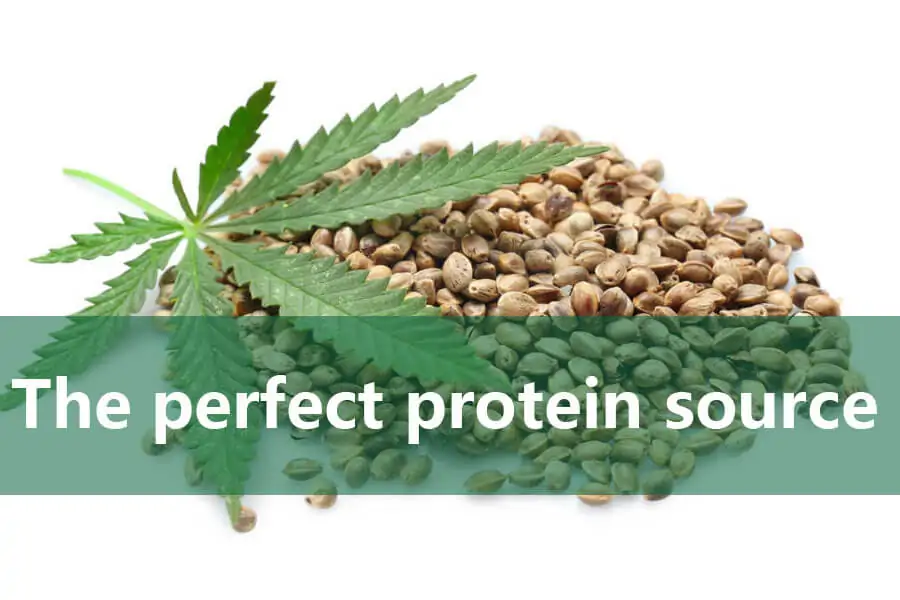
“Hemp hearts” are the soft, hulled inner part of the hemp seed after the hard outer shell has been removed. In other words, they are shelled hemp seeds that are ready to eat, without the gritty texture of whole seeds. For a product to be organic, the hemp must be grown without synthetic pesticides, herbicides, or chemical fertilizers, and it must meet strict organic regulations from farm to finished packaging.
When you see “organic hemp hearts” on the label, you want it to mean more than a marketing slogan. Ideally, it should reflect audited farming practices, controlled processing, and full traceability, not just a green logo on the front of the bag.
Start with authentic organic certification
The first screening step is always certification. A trustworthy product will clearly display a recognized organic logo (for example, USDA Organic, EU Organic, or another well‑known national standard) together with the name of the certifying body. This matters because organic status is not self‑declared; it must be verified through on‑site inspections and annual audits.
Be cautious with vague phrases like “natural,” “eco,” or “farm fresh” if they are not backed by a formal certificate. If you are developing products for retail, food service, or export, real certification protects you during regulatory checks and gives your consumers a clear, simple reason to trust your brand.
Check appearance, aroma, and texture for freshness
Once a product passes the certification check, the next step is sensory evaluation. High‑quality organic hemp hearts should look and smell fresh:
- Color: Look for creamy white to light green pieces, with a clean, uniform appearance. A lot of dark yellow or brown fragments can signal oxidation or old stock.
- Aroma: Fresh hemp hearts typically have a mild, nutty, slightly earthy smell. If you notice a strong rancid, “paint‑like,” or fishy odor, the fats have likely oxidized and the product is no longer at its best.
- Texture: Good hemp hearts are tender and slightly soft, not hard or brittle. When you press a few between your fingers, they should yield gently. When you chew them, they should feel rich and almost buttery, not dry or sharp.
These simple checks can be done in seconds, but they are powerful indicators of how the product was processed, stored, and transported.
Read the ingredient list and nutrition panel
For most buyers, the best organic hemp hearts are the simplest ones. Ideally, the ingredient list should contain just one item: “organic hulled hemp seeds” or “organic hemp hearts.” Avoid products that add unnecessary oils, salt, sweeteners, flavors, or preservatives if your goal is a clean, versatile ingredient.
On the nutrition panel, you will typically see that hemp hearts are rich in plant‑based protein and healthy fats, including omega‑3 and omega‑6. While numbers vary slightly by origin and batch, look for a product that clearly communicates per‑serving protein and fat content. This helps you position your product for specific audiences, such as athletes, vegans, or consumers looking to support heart and brain health.
Consider origin, farming, and processing
Origin matters, both for regulatory reasons and for perceived quality. Many premium hemp hearts on the market are sourced from countries with well‑established hemp regulations and cool climates that support seed quality. As a buyer, you can:
- Check country of origin: Some brands highlight regions known for strict standards and long experience with hemp cultivation.
- Ask about farming practices: Soil testing, crop rotation, and the use of certified seed varieties all contribute to safety and nutritional consistency.
- Understand how seeds are hulled and cleaned: Mechanical hulling, followed by multiple cleaning and sorting steps, helps remove shells, empty seeds, and foreign material. More advanced producers also use optical sorting to remove discolored or defective pieces.
If you are sourcing at scale, it is reasonable to request additional documentation such as heavy metal and pesticide test results, or to ask whether batch‑specific lab reports are available.
Pay attention to packaging and shelf life
Because hemp hearts are rich in delicate, unsaturated fats, they are sensitive to light, heat, and oxygen. Packaging is not just about design; it is an integral part of product quality.
Look for the following details:
- Packaging type: Opaque or dark pouches, bags, or cans help protect against light. Vacuum sealing or nitrogen‑flushing can further slow down oxidation by reducing exposure to oxygen.
- Resealable features: A good zip‑lock or closure system makes it easier for consumers to keep the product fresh after opening.
- Best‑by date and batch code: Choose products with a clear production or best‑by date and a visible lot number. Short, realistic shelf lives are often a sign that the brand takes freshness seriously.
Once you bring hemp hearts home or into your facility, store them in a cool, dry place away from direct sunlight. After opening, refrigeration can significantly extend freshness, especially in warm climates.
Match product choice to your needs
Finally, think about how you or your customers will actually use organic hemp hearts. Different needs may lead to different purchasing decisions:
- Everyday home use: If you are adding hemp hearts to smoothies, yogurt, oatmeal, or salads, focus on freshness, flavor, and simple ingredients. A smaller pack size may be better so you can consume it before quality starts to decline.
- Product development and food service: If you are a brand or food manufacturer, you may prioritize consistent color, particle size, detailed specs, and strong documentation, including Certificates of Analysis and third‑party testing.
- Special diets and premium positioning: For gluten‑free, vegan, or organic‑focused lines, make sure claims are supported by real certifications (organic, non‑GMO, etc.) and that allergen controls are clearly defined.
By aligning your choice of organic hemp hearts with actual usage, you get better value and a more reliable consumer experience.
Recommended Product
Organic Hemp Hearts
Available in < 5%, 5–10%, 10–15%, 15–20% Green Skin and customized. All specifications support both…