Nutrition during pregnancy and motherhood plays a critical role in supporting fetal development, maternal health, and postpartum recovery. As more consumers adopt plant-based or allergen-conscious diets, brands are seeking protein ingredients that are safe, gentle, clean-label, and nutritionally supportive. In this context, organic sunflower seed protein powder is gaining attention as a suitable plant-based protein for prenatal and maternal nutrition products.
Also known as organic sunflower protein, sunflower seed protein concentrate, or sunflower protein powder, this ingredient offers balanced nutrition while meeting the strict formulation standards required for maternal health products.
Protein Needs in Prenatal and Maternal Nutrition
During pregnancy and breastfeeding, protein is essential for:
- Fetal tissue and organ development
- Placental growth
- Maternal muscle maintenance
- Postpartum recovery and lactation support
However, protein sources used in maternal nutrition must also be easy to digest, low-allergen, and mild in taste, as many women experience digestive sensitivity or food aversions.
Why Organic Sunflower Seed Protein Powder Is Well Suited
1. Gentle Digestibility
Organic sunflower seed protein powder is generally easier to digest than some legume-based proteins. Its smooth texture and low bitterness help reduce nausea or gastrointestinal discomfort, which is especially important during pregnancy.
2. Allergen-Free and Inclusive
Sunflower protein is naturally free from dairy, soy, gluten, and nuts, making it appropriate for women with dietary restrictions or allergen concerns. This broad compatibility supports inclusive maternal nutrition formulations.
3. Balanced Amino Acid Contribution
Organic sunflower protein provides both essential and non-essential amino acids that support tissue growth and repair. When used alone or blended with other plant proteins, it contributes to a well-rounded prenatal protein profile.
4. Naturally Occurring Micronutrients
Sunflower seed protein powder contains minerals such as magnesium, phosphorus, and iron, which play supporting roles in maternal energy metabolism and overall wellness.
Applications in Prenatal and Maternal Nutrition Products
Organic sunflower seed protein powder can be incorporated into:
- Prenatal nutrition powders
- Maternal meal replacement shakes
- Lactation-support beverages
- Functional snack bars for expecting mothers
- Plant-based prenatal supplement blends
Its mild flavor allows easy pairing with natural ingredients like oats, fruits, or gentle sweeteners.
How To Use Organic Sunflower Protein in Maternal Nutrition Formulations
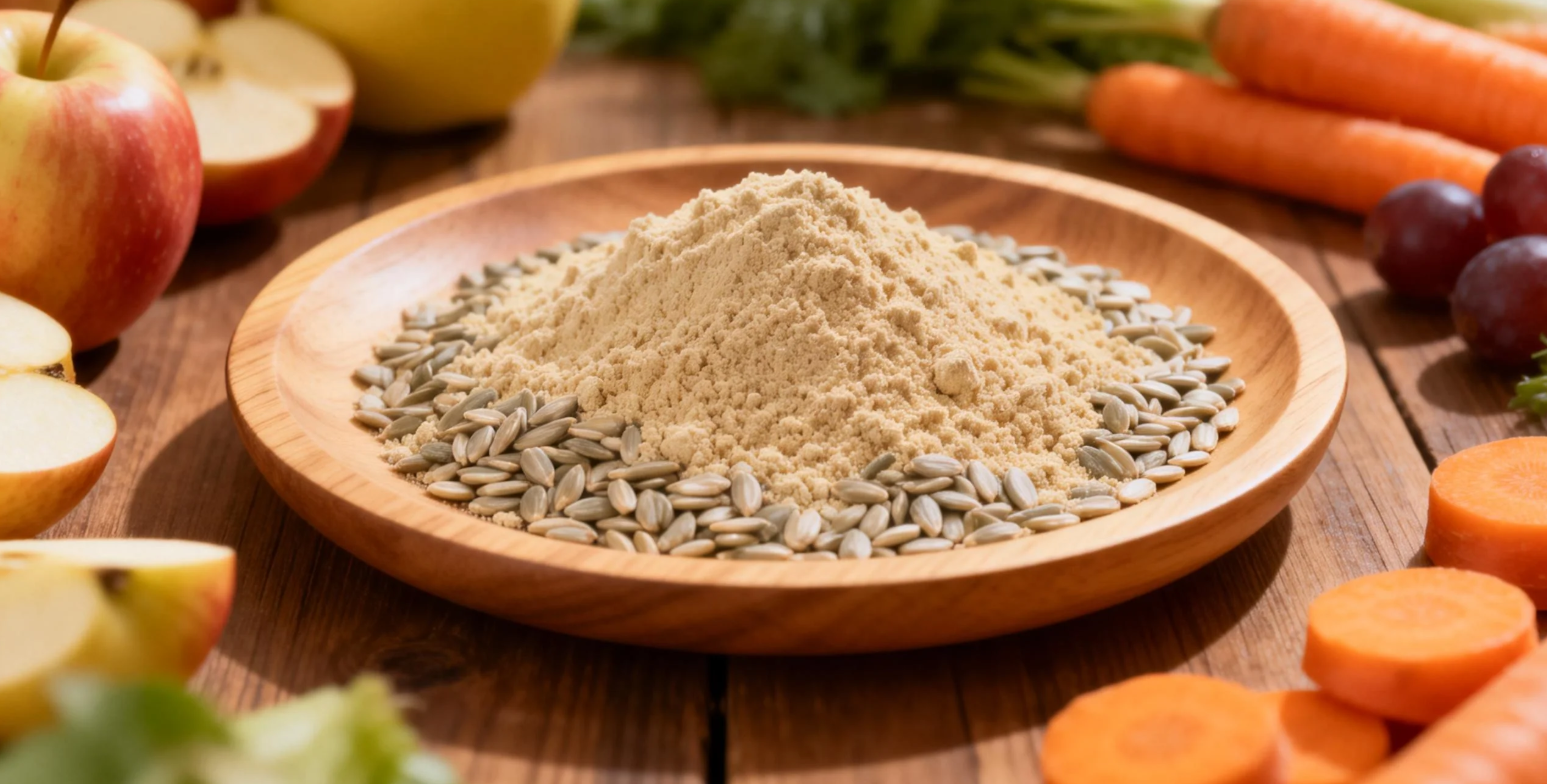
How To Use Organic Sunflower Protein in Maternal Nutrition Formulations
Step 1: Define Appropriate Protein Targets
Prenatal products typically aim for 10–20 g of protein per serving, depending on dietary positioning. Organic sunflower protein can be used as a primary or supporting protein source.
Step 2: Optimize Digestibility
Use fine-milled sunflower protein and ensure proper hydration or pre-dispersion to improve mouthfeel and tolerance.
Step 3: Combine with Complementary Nutrients
Pair sunflower protein with prenatal-friendly ingredients such as fiber, vitamins, and minerals to support comprehensive maternal nutrition.
Step 4: Maintain Clean-Label Standards
Leverage the neutral taste of sunflower protein to minimize flavors and sweeteners, supporting a simple and transparent ingredient list.
Step 5: Validate Regulatory and Safety Compliance
Ensure formulations meet local regulations for prenatal and maternal nutrition products, including organic and allergen labeling requirements.
FAQ: Organic Sunflower Seed Protein Powder in Prenatal Nutrition
Q1: Is organic sunflower protein suitable for pregnancy-focused products?
Yes. It is a plant-based, allergen-free protein commonly used in clean-label formulations designed for sensitive consumers.
Q2: How does sunflower protein compare to soy protein in maternal nutrition?
Sunflower protein avoids common soy-related allergen and hormone perception concerns while offering a milder taste and easier digestibility.
Q3: Can sunflower protein be used in lactation products?
Yes. Its protein and micronutrient content make it suitable for postpartum and breastfeeding nutrition when formulated appropriately.
Q4: Does organic sunflower protein have a strong flavor?
No. It has a neutral, mild taste, which is ideal for prenatal products where flavor sensitivity is common.
Q5: Can sunflower protein be blended with other plant proteins?
Absolutely. It is often blended with rice or oat protein to enhance amino acid balance while maintaining gentle digestion.
Market Trends in Maternal Nutrition
Modern maternal nutrition consumers increasingly seek products that are:
- Plant-based and organic
- Free from major allergens
- Easy to digest
- Clean-label and minimally processed
Organic sunflower seed protein powder aligns strongly with these expectations, making it a strategic ingredient for prenatal and maternal nutrition innovation.
Conclusion
For brands developing prenatal and maternal nutrition products, organic sunflower seed protein powder offers a safe, gentle, and clean-label protein solution. Its allergen-free profile, digestibility, and functional versatility make it well suited for supporting maternal health throughout pregnancy and beyond.
By incorporating organic sunflower protein into maternal formulations, manufacturers can deliver products that prioritize nutrition, comfort, and consumer trust.
Related Products
Organic Sunflower Seed Protein Powder
Organic sunflower seed protein powder offers ≥80% high-quality plant protein with excellent…