Baking with protein powder is not as simple as swapping a cup of flour for a cup of protein and expecting the same result. Protein powders absorb liquid differently than flour, they brown differently in the oven, and they lack the gluten network that gives wheat-based baked goods their structure. But when you understand how sunflower protein behaves in dough and batter, you can produce baked goods with measurably higher protein content and consistently good texture, bread that still slices and toasts, muffins that stay moist, and cookies that spread just enough.
The sections below cover how sunflower protein substitutes for flour, what ratios work in different recipe types, how to adjust for texture and moisture, and specific techniques for bread, muffins, cookies, pancakes, and savory applications. The information is based on the physical properties of sunflower protein as an ingredient, how it hydrates, how it browns, and how it interacts with other baking components. It is written for formulators and home bakers who want protein-fortified baked goods that taste like baked goods, not like protein supplements.
How sunflower protein behaves in dough and batter
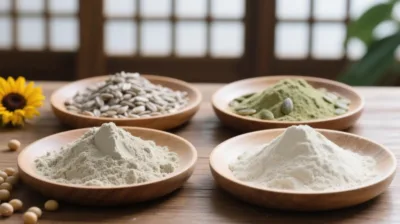
Sunflower protein powder is a dry, fine-textured ingredient produced by mechanically pressing sunflower seeds to remove oil and milling the remaining seed cake. It contains 45 to 55 percent protein by weight, with the balance composed of naturally occurring fiber, minerals, and residual fat.
When mixed with liquid, sunflower protein absorbs water more aggressively than wheat flour. This higher water-binding capacity means doughs and batters will feel drier and stiffer at the same hydration level. The practical response is to increase liquid by 10 to 20 percent of the weight of added protein.
Sunflower protein does not contain gluten. This is the most important fact to understand, because gluten is the protein network that traps gas from yeast or chemical leaveners, allowing dough to rise. Without gluten replacement, structural performance decreases proportionally to the substitution rate. At a small substitution (one to two tablespoons per cup of flour), the effect is minimal. At a larger substitution (one-quarter cup or more per cup), expect a notably denser product unless you compensate with additional structural ingredients like eggs or vital wheat gluten.
Sunflower protein’s neutral flavor and light color provide baking advantages over other plant proteins. Pea protein carries an earthy aftertaste. Hemp protein has a nutty, grassy flavor and darkens baked goods. Soy protein has a beany note. Sunflower protein adds minimal flavor and color, allowing the recipe’s intended taste to come through in both sweet recipes (muffins, banana bread, pancakes) and savory applications (flatbreads, crackers).
Flour-to-protein substitution ratios
How much protein powder can replace flour without ruining the recipe depends on what you are baking.
For quick breads, muffins, and pancakes, replace up to 25 percent of flour weight with sunflower protein without major texture problems. In a muffin recipe with 200 grams of flour, use 150 grams of flour plus 50 grams of protein. The batter will be thicker, the rise slightly reduced, and the crumb slightly denser. Most eaters will not notice the difference.
For yeast-leavened breads, the substitution ceiling is lower because yeast bread depends on a strong gluten network. Replace 10 to 15 percent of flour with sunflower protein before bread becomes unacceptably dense. Adding vital wheat gluten (one teaspoon per quarter cup of protein powder) can restore some lost structure.
For cookies and brownies, where fat, sugar, and eggs provide as much structure as flour, sunflower protein can replace up to 30 percent of flour. Cookies will spread less and will be softer and more cake-like. If you prefer crisp cookies, keep substitution at 15 percent or lower.
For pancakes and waffles, substitute up to 25 percent. The batter will be thicker; add an extra tablespoon of milk for proper pouring consistency. Pancakes will be slightly denser but not unpleasantly so.
Start with a 15 percent substitution and increase from there as you learn how your recipes respond. Baking with protein powder rewards experimentation.
Adjusting liquid, fat, and leavening
Three adjustments become relevant each time you add sunflower protein to a recipe.
Liquid is the most common adjustment. Sunflower protein absorbs more water than the flour it replaces. Add one to two tablespoons of additional liquid for every quarter cup of protein powder. Err low for recipes meant to be dense (brownies, bars) and high for recipes that should be moist (muffins, quick breads).
Fat offsets the drying effect and contributes to tenderness. For recipes using oil or melted butter, increase fat by one teaspoon per quarter cup of protein. For recipes using solid fat (cold butter cut into flour for biscuits), keep substitution at 10 percent or less, protein powder does not create the flaky layers of butter-flour lamination.
Leavening adjustment is recipe-dependent. Because protein dilutes the flour that traps gas from baking powder or baking soda, gas escapes more easily. Adding 25 percent more leavener can partially compensate, but do not exceed this, too much leavener produces a metallic taste. Accept denser texture rather than over-leavening.
Eggs are the single best compensating ingredient for gluten dilution. When replacing more than 20 percent of flour with sunflower protein, add one additional egg or egg white for binding and moisture.
Bread recipes with sunflower protein
Bread is the most technically challenging application for protein powder, but also where a protein boost provides the most noticeable nutritional benefit.
For a standard sandwich loaf with 500 grams of bread flour, replace 50 grams (10 percent) with sunflower protein. Increase water by 15 to 20 grams. Expect a slightly shorter rise and a slightly denser crumb. The bread will still slice, toast, and make sandwiches. At this substitution level, most people will not notice a difference.
For a seeded protein loaf, replace 75 grams of flour (15 percent) with sunflower protein. Add one tablespoon of vital wheat gluten. Increase water by 25 grams. Add seeds (sunflower, sesame, pumpkin) at 10 percent of flour weight. This loaf will be noticeably denser but pleasant to eat, with roughly 30 percent more protein than standard bread.
Flatbreads and tortillas are more forgiving than yeast-leavened loaves. Replace up to 25 percent of flour with protein powder. The dough will resist rolling, apply steady pressure with a rolling pin. Increase oil by one teaspoon per batch.
Sourdough with protein powder is an advanced project. Keep substitution at 10 percent or below and expect a denser, tighter crumb than a pure-flour sourdough loaf.
Muffin and quick bread recipes
Muffins and quick breads are the most protein-powder-friendly baked goods because they are chemically leavened, naturally moist, and expected to have a tender crumb rather than an open, airy one.
For a standard muffin recipe with 250 grams of flour making 12 muffins, replace 50 grams (20 percent) with sunflower protein. Add two to three tablespoons of extra milk. Expect a slightly darker crust from Maillard browning. Each muffin gains roughly four additional grams of protein.
For banana bread with 200 grams of flour, replace 40 grams (20 percent) with sunflower protein. The mashed banana provides enough moisture that liquid adjustment is usually unnecessary, the protein absorbs excess banana moisture, improving texture. Banana flavor dominates completely.
For chocolate muffins or chocolate quick bread, treat cocoa powder and protein powder as a combined dry weight addition and add roughly one tablespoon of extra liquid per 15 grams of combined cocoa and protein. Chocolate’s strong flavor covers any protein notes, making chocolate baking the highest-tolerance protein application.
Pumpkin bread and zucchini bread follow the same logic as banana bread: the puree provides moisture and flavor intensity. Substitute at 20 to 25 percent of flour weight and expect a moist, tender result.
Cookie and bar recipes
Cookies accept a higher proportion of protein powder than breads because their structure comes from fat and sugar as much as from flour.
For drop cookies, chocolate chip, oatmeal, peanut butter, replace 20 to 25 percent of flour with sunflower protein. Cookies will spread less and have a softer, cake-like texture. If you prefer crisp cookies, reduce substitution to 15 percent and slightly under-bake.
Protein bars baked at home can push protein content the highest because bars are expected to be dense. In a homemade recipe using flour as a dry binder (with nut butter, honey, and mix-ins), replace up to 50 percent of flour with sunflower protein. Adjust with additional nut butter or syrup for binding. The result is dense and protein-heavy, which is the point.
Shortbread and butter cookies tolerate protein powder poorly because their texture depends on a high butter-to-flour ratio with minimal liquid. Keep substitution at 10 percent or below.
Brownies are a strong application because chocolate dominates and fudgy texture is forgiving. Replace 20 percent of flour with protein powder. Reduce sugar slightly, one to two tablespoons per batch, because protein contributes mild sweetness.
Pancake and waffle applications
For pancakes, replace 20 percent of flour with sunflower protein. Add milk one tablespoon at a time until the batter reaches pourable consistency. Cook at slightly lower heat because protein browns faster, a hot griddle burns the outside before the center sets. Pancakes will be slightly denser but unnoticeable once topped.
For waffles, the protein’s browning tendency is an advantage, producing a darker, more flavorful exterior. Replace 20 percent of flour. Increase milk by two to three tablespoons. Spray the waffle iron each time, protein batter sticks more than flour batter.
For a pre-made protein pancake mix, combine in a sealed container: 1 cup all-purpose flour, 1/4 cup sunflower protein, 2 teaspoons baking powder, 1/2 teaspoon baking soda, 1/4 teaspoon salt, 1 tablespoon sugar. When cooking, add 1 cup milk, 1 egg, and 2 tablespoons melted butter. Each pancake delivers roughly 10 grams of protein.
Savory baking applications
Sunflower protein’s flavor neutrality opens savory baking applications that flavored or strongly-tasting proteins would compromise.
Savory scones, cheddar and chive, rosemary and black pepper, sun-dried tomato and parmesan, work well with a 15 percent flour substitution. The cheese provides additional fat that offsets the protein’s drying effect, and the savory flavorings mask any trace protein notes. Crumbly scone texture is forgiving of the slight density increase from protein powder.
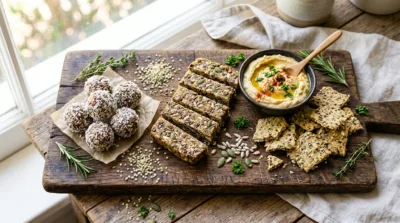
Flatbreads and crackers for cheese boards or dips benefit from protein enrichment because they provide structure, support for toppings, and a nutritional reason to choose them over conventional crackers. Replace 20 to 25 percent of flour with protein powder and increase oil by one to two teaspoons. Roll the dough as thin as possible, protein dough resists rolling more than flour dough, and bake until crisp. The crackers will be darker than all-flour crackers due to Maillard browning, which is visually appealing on a cheese board.
Savory muffins, corn and jalapeno, spinach and feta, tomato and basil, follow the same rules as sweet muffins but with the advantage that savory flavorings provide stronger taste cover for protein. Substitute 25 percent of flour with sunflower protein. The muffins will be somewhat denser than sweet muffins at the same substitution rate because savory recipes typically contain less sugar, and sugar contributes to tenderness. Expect a satisfyingly substantial muffin rather than a light and airy one. These muffins work well as a side for soup, chili, or as a grab-and-go breakfast that provides more protein than a standard bakery muffin. For a corn and jalapeno muffin specifically, the protein powder’s mild sweetness actually complements the corn flavor, and the jalapeno heat covers any trace protein notes completely. A batch of 12 corn-jalapeno-protein muffins delivers approximately 8 grams of protein per muffin compared to roughly 4 grams in a standard corn muffin recipe.
Troubleshooting common baking problems
When results do not match expectations, systematic troubleshooting is more reliable than guessing.
Problem: dry and crumbly baked goods. This almost always means insufficient liquid compensation. Solution: increase liquid by one to two tablespoons per quarter cup of protein powder in the next batch. For the current batch, serve with yogurt, fruit compote, or whipped cream to compensate.
Problem: dense texture and poor rise. The flour substitution rate was too high for the recipe type. Solution: reduce substitution by 5 to 10 percentage points next time. For the current batch, slice thin and toast, the improved eating experience compensates partially for density.
Problem: noticeable protein powder taste. This results from too high a substitution or a recipe with mild flavors. Solution: reduce substitution or increase flavor intensity, more vanilla, cocoa, spices, and salt. Protein flavors are most noticeable in under-flavored and under-salted baked goods.
Problem: the outside burned before the inside baked through. Protein browns faster than flour and starch. Solution: reduce oven temperature by 15 to 25 degrees Fahrenheit and extend baking time. Covering with foil partway through baking controls surface browning.
Problem: dough too stiff to work with during mixing or shaping. Solution: add liquid one tablespoon at a time during mixing. For yeast doughs, add liquid during initial mixing rather than during kneading to avoid over-working the dough.
Conclusion
Sunflower protein powder belongs in a formulator’s or home baker’s ingredient rotation, not as a complete flour replacement but as a partial substitution that increases the protein content of baked goods by 10 to 25 percent while preserving most of the texture and all of the flavor of the original recipe. Its advantages over other plant proteins for baking are its neutral flavor, light color, and the mechanical-only processing that aligns with clean label standards.
The key to successful protein baking is substitution rate matched to recipe type, liquid adjustment matched to the added protein weight, and realistic expectations about texture changes. A protein-enriched muffin is not supposed to be identical to an all-flour muffin; it is supposed to be a good muffin with more protein. Within that standard, sunflower protein consistently delivers. Bakers who approach protein powder as a tool for nutritional improvement rather than a direct flour replacement tend to be more satisfied with their results because the standard of comparison aligns with the ingredient swap being made.
HEMPLAND’s organic sunflower seed protein powder, a single-ingredient product with no added flavors, sweeteners, or texturizers, is built for exactly this kind of use: a protein that integrates into your baking without imposing unwanted taste on the result. The powder is unflavored by design so your recipes taste like what you intended to make, not like a protein supplement that found its way into your mixing bowl. This neutrality is what makes sunflower protein preferable to pea or hemp for baking, it disappears into the recipe rather than announcing its presence.
Documentation including batch-specific certificates of analysis is available for every product. For questions about incorporating sunflower protein into your favorite recipes or to request testing documentation for a specific batch, contact us. HEMPLAND’s team can provide guidance on substitution ratios for specific recipe types and share the quality documentation that supports every product.
Recommended Products

Organic Sunflower Seed Protein Powder
Premium organic sunflower seed protein powder — 50-60% protein, allergen-free plant-based protein. Mild neutral…