Men over 25 carry a set of health priorities that tend to stay invisible until the symptoms get loud. Prostate concerns creep in during the 40s, testosterone declines steadily after 30, and recovery from hard workouts takes longer than it used to. Plenty of men reach for synthetic supplements or isolated vitamins at that point. Yet a whole-food option exists that speaks to several of these priorities at once: pumpkin seed protein.
Pumpkin seed protein is winning recognition among men not just as a plant-based alternative, but as a nutrient-dense ingredient aligned with male health needs. Zinc, magnesium, phytosterols, arginine. Conventional protein powders simply do not bring that combination. HEMPLAND’s organic pumpkin seed protein delivers it in a cold-pressed, minimally processed form that keeps the seed’s natural compounds intact.
The research behind these claims is worth separating from the marketing, so let us go through it piece by piece.
Nutritional profile relevant to men
Why this particular powder stands out becomes obvious once you look at the numbers. A typical serving of HEMPLAND organic pumpkin seed protein (approximately 30 grams) provides:
- Protein: 18-20 grams of complete protein containing all nine essential amino acids, with notably high levels of arginine and glutamine
- Zinc: one of the richest plant-based sources available, roughly 2-3 mg per serving, a mineral directly tied to men’s hormonal and reproductive health
- Magnesium: approximately 150 mg per serving, supporting muscle function, nerve signaling, and over 300 enzymatic processes in the body
- Phytosterols: plant compounds that research suggests may help reduce prostate enlargement and support healthy cholesterol levels
- Healthy fats: even in protein powder form, trace amounts of omega-3 and omega-6 fatty acids remain, contributing to cardiovascular health
- Iron and selenium: supporting oxygen transport and antioxidant defense
Zinc is where pumpkin seed protein pulls clearly ahead of most alternatives. And when comparing products, sourcing, processing method, and protein concentration all matter; our pumpkin protein buying guide walks through those considerations in detail.
Prostate health benefits
Prostate health is the most compelling reason men consider pumpkin seed protein. Benign prostatic hyperplasia (BPH) affects approximately 50% of men by age 50 and up to 90% by age 80, causing urinary frequency, weak flow, and discomfort. Research on pumpkin seeds and prostate health has produced encouraging findings over the past two decades.
What research says
Several clinical studies have put pumpkin seed extract and whole seeds up against prostate function. A 2014 randomized controlled trial published in *Urology* found that pumpkin seed extract significantly improved urinary symptoms in men with BPH over a 12-month period, with results comparable to standard medication. Another study in the *Journal of Medicinal Food* reported that men consuming pumpkin seed oil experienced reduced prostate volume and improved International Prostate Symptom Scores.
Zinc’s role in prostate health
The prostate gland holds the highest zinc concentration anywhere in the male body, roughly 10 times more than other soft tissues. Dietary zinc helps maintain that critical balance. Research suggests adequate zinc levels may help protect prostate cells from abnormal growth and support normal prostate function. Tellingly, men with BPH often show lower zinc concentrations in prostatic tissue than healthy controls, which underscores how much sufficient dietary zinc matters.
Phytosterols and BPH
Phytosterols, abundant in pumpkin seeds, supply another piece of the prostate puzzle. These plant-derived compounds appear to inhibit the enzyme 5-alpha-reductase, which converts testosterone into dihydrotestosterone (DHT), the hormone primarily responsible for prostate growth. By moderating DHT production, phytosterols may help maintain a healthier prostate size. The mechanism mirrors certain prescription medications, though phytosterols act far more gently, in a dietary context.
One thing needs saying plainly: pumpkin seed protein may support prostate health but is not a treatment for prostate conditions. Men experiencing urinary symptoms should see a healthcare provider for proper evaluation.
Testosterone support
Pumpkin seeds and testosterone is a topic surrounded by hype, and it deserves a balanced look at what the evidence actually supports versus what popular media oversimplifies.
Myth vs. evidence
Some corners of the internet claim pumpkin seeds directly boost testosterone. That overstates current research. No clinical trial demonstrates that eating pumpkin seeds raises testosterone in healthy men with normal levels. The relationship between pumpkin seeds and male hormones is nonetheless more nuanced than a simple “boost or no boost” story.
Zinc and testosterone connection
Where pumpkin seeds genuinely connect to testosterone is zinc. Research has consistently shown zinc deficiency correlating with lower testosterone levels. A study in *Nutrition* found that men with marginal zinc deficiency who received zinc supplementation for six months saw measurable increases in serum testosterone. Diets short on zinc are common, especially among athletes and older men, and pumpkin seed protein offers a natural, food-based way to close that gap.
The practical takeaway: pumpkin seed protein supports testosterone chiefly by helping maintain adequate zinc status, particularly in men who are deficient or borderline. Men already getting enough zinc are unlikely to see a testosterone increase from adding more, though the full nutrient package still supports hormonal balance overall.
Practical dietary approach
Rather than treating any single food as a hormone solution, men do better thinking of pumpkin seed protein as one component of a broader nutritional strategy. Adequate zinc, sufficient magnesium, quality protein, and healthy fats all feed hormonal health. Pumpkin seed protein conveniently bundles several of them together, making it an efficient addition to a testosterone-friendly diet.
Athletic performance and muscle
Athletes exploring plant proteins beyond basic macros have started paying attention to pumpkin seed protein as well.
Protein quality for strength training
With 18-20 grams of protein per serving and a complete amino acid profile, pumpkin seed protein supports muscle protein synthesis effectively. Its high arginine content deserves special attention from athletes: arginine is a precursor to nitric oxide, which improves blood flow and nutrient delivery to working muscles. That makes it practical for pre-workout or intra-workout nutrition, when circulation and oxygen delivery matter most.
Magnesium for recovery
Post-workout recovery is where magnesium becomes critical. Muscle cramps, spasms, and delayed recovery often trace back to magnesium depleted through sweat and exertion. Pumpkin seed protein returns roughly 150 mg per serving, helping replenish the mineral. Research published in *PLoS ONE* found magnesium supplementation improved muscle performance and reduced recovery time in athletes, highlighting its importance for active men.
Athletes combining multiple plant proteins for a broader amino acid spectrum will find that hemp protein for athletic performance offers complementary benefits that stack well with pumpkin seed protein.
Arginine and circulation
Beyond muscle recovery, arginine’s role in nitric oxide production supports cardiovascular fitness and exercise capacity. Better vascular function means better oxygen transport during endurance work and more efficient nutrient delivery during resistance training. Men focused on heart health alongside strength training benefit twice from this dual-action nutrient.
Kidney and urinary tract health
The connection between pumpkin seeds and kidney health has roots in both traditional medicine and emerging modern evidence.
Traditional use
In Traditional Chinese Medicine and folk traditions across Europe and the Americas, pumpkin seeds were long used to support kidney and bladder function, commonly recommended for urinary difficulties and as a general tonic for the urinary tract. Centuries of use across multiple cultures suggest a persistent observational connection between pumpkin seed consumption and urinary wellness.
Modern evidence
Recent research is beginning to validate parts of that tradition. A study in the *Journal of Traditional and Complementary Medicine* reported that pumpkin seed oil helped reduce urinary symptoms and improve bladder function. The combined effect of zinc, magnesium, and anti-inflammatory compounds appears to support healthy kidney function and may help maintain normal urinary flow.
For men dealing with age-related urinary changes, whether from prostate pressure or bladder sensitivity, pumpkin seed protein offers nutrients that may gently support these systems. Once again: maintenance and potential support, not medical treatment.
How to use pumpkin seed protein
Making pumpkin seed protein part of your day is straightforward, and a few strategic choices maximize what you get from it.
Daily serving and timing
A typical serving of 30 grams (approximately one scoop) provides meaningful amounts of protein, zinc, magnesium, and phytosterols. For general health support, one serving per day blended into a smoothie, mixed with oatmeal, or shaken with water is enough. Men focused on athletic performance may benefit from two: one pre-workout for arginine-driven circulation support, one post-workout for recovery nutrients.
Morning consumption aligns nicely with the body’s natural cortisol and testosterone rhythms, and taking zinc earlier in the day may aid absorption. Still, timing matters less than consistency. Daily intake beats perfect scheduling every time.
Stacking with other plant proteins
One of the smartest strategies in plant-based nutrition is stacking multiple sources to broaden amino acids and nutrient diversity at once. Combining HEMPLAND pumpkin seed protein with organic hemp seed protein creates a complementary blend: pumpkin seed contributes high zinc and arginine, while hemp adds omega-3 fatty acids, gamma-linolenic acid, and additional fiber. Sunflower seed protein rounds out the mix further with its high selenium content.
A simple stack ratio to start with: two parts pumpkin seed protein to one part hemp protein, blended into a post-workout shake. That one glass covers a wide spectrum of recovery and hormonal-support nutrients.
For a deeper understanding of the full nutrient profile and broader health applications, our article on pumpkin nutrition facts, health benefits, and uses serves as a comprehensive reference.
Who should use it, and who should be cautious
Ideal users
Pumpkin seed protein suits some groups particularly well:
- Men over 40 concerned about prostate health and urinary function
- Athletes and fitness enthusiasts seeking plant-based protein with added mineral benefits
- Men with low dietary zinc intake, including those who eat limited meat or follow plant-heavy diets
- Men experiencing mild, age-related urinary changes who want nutritional support before considering medication
Who should be cautious
A few situations call for care:
- Known pumpkin seed allergies: rare, but seed allergies do occur
- Men also taking zinc supplements: excess zinc can interfere with copper absorption, so check total zinc intake across all sources
- Men with severe prostate conditions: pumpkin seed protein supports maintenance but is not appropriate as a primary intervention for diagnosed conditions; always work with a physician
- Men on blood-thinning medications: the arginine content may affect circulation, warranting a conversation with a healthcare provider
Where pumpkin seed protein fits for men
Pumpkin seed protein meets men at the intersection of several priorities that converge with age: prostate support, testosterone maintenance through zinc adequacy, athletic recovery, and kidney and urinary wellness. Its nutritional profile, anchored by high zinc, magnesium, phytosterols, and arginine, lines up with male physiology in ways generic protein powders do not.
Research suggests meaningful benefits for prostate function and urinary health, while the zinc connection to testosterone stands on solid ground for men whose intake falls short. Athletes get complete protein, circulation-friendly arginine, and recovery-supporting magnesium in one functional ingredient.
HEMPLAND’s organic pumpkin seed protein supplies all of this in a clean, cold-pressed form that preserves the natural compounds men need most. Whether the goal is long-term prostate maintenance, better daily performance in training, or simply a protein source that works harder for male health, pumpkin seed protein has earned a place in the routine.
Contact us for more information about our organic pumpkin seed protein products.
Recommended Products
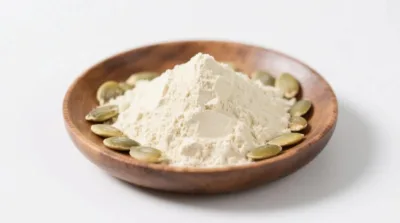
Organic Pumpkin Seed Protein Powder
Organic pumpkin seed protein powder offers ≥60% protein with high magnesium, zinc, and iron…
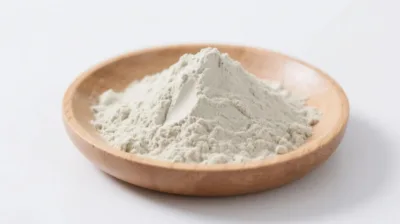
Organic Hemp Seed Protein
Premium organic hemp seed protein powder — 70%, 75%, 80% protein grades. Complete plant…
Related Posts