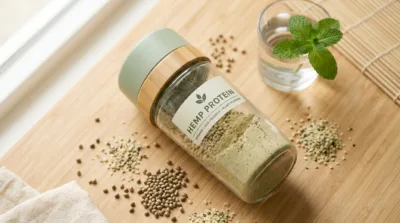
Sunflower protein is becoming a popular choice for athletes, fitness enthusiasts, and anyone seeking plant-based nutrition alternatives. Derived from sunflower seeds, it offers an appealing option next to traditional choices like whey or soy. Like any dietary supplement, though, understanding potential side effects helps you decide whether it belongs in your routine.
This guide walks through what science and practical experience reveal about sunflower protein side effects, so you can judge whether it suits your health profile.
What is sunflower protein?
Sunflower protein comes from sunflower seed meal, what remains after seeds are pressed for oil. The defatted meal undergoes further processing to concentrate protein, typically reaching 50-70% protein by weight.
It usually shows up as a powder you can blend into smoothies, mix into recipes, or stir into baked goods. Athletes value its broad amino acid profile and how well it combines with other protein sources; plant-based consumers treat it as a non-soy alternative.
HEMPLAND offers organic sunflower protein that undergoes rigorous quality testing for purity and safety. Organic certification means the seeds were grown without synthetic pesticides or fertilizers, which addresses one of the primary concerns people raise about conventional supplements.
Common side effects: digestive issues
The most frequently reported sunflower protein side effects involve digestive discomfort. The fiber content in whole sunflower protein can trouble people with sensitive digestive systems.
Bloating and gas
Sunflower protein contains both soluble and insoluble fiber, which can cause bloating while your digestive system adjusts. Gas develops when gut bacteria ferment those fiber components. Symptoms typically surface when you first start using sunflower protein or when you increase the dose too quickly.
If your usual diet is low in fiber, expect stronger symptoms at first. Adding sunflower protein suddenly and in large servings produces most of the discomfort people report.
Loose stools or diarrhea
Extra fiber can also loosen stools, particularly during the first week of supplementation. This effect usually subsides as your body adapts to the higher fiber load.
Managing digestive side effects
Gradual introduction prevents most of this. Start small, perhaps a quarter scoop, and monitor your body over several days. If that sits well, step the serving size up over one to two weeks.
Compared with other plant proteins, sunflower sits mid-range for digestibility. Pea protein causes more digestive trouble for some people because of its specific carbohydrate content; rice protein is generally gentle but usually needs combining for a complete amino acid profile; soy provokes upset in those with sensitivities to soy products.
Hydration makes fiber easier to process. Drinking water steadily through the day helps it move through the digestive tract comfortably.
Allergic reactions
Allergic reactions are the more serious potential concern, though sunflower seeds are not among the “big eight” allergens requiring mandatory labeling in most countries. Those eight are peanuts, tree nuts, soy, milk, eggs, fish, shellfish, and wheat.
Rising prevalence of sunflower allergy
Cases are increasing worldwide nonetheless. Researchers tie the rise to growing sunflower oil consumption and greater exposure to sunflower seeds in processed foods and cosmetics.
Cross-reactivity with ragweed
Cross-reactivity with ragweed pollen deserves attention. People allergic to ragweed may also react to sunflower seeds because of protein similarities, so allergy sufferers should exercise caution the first time they try sunflower protein.
Symptoms to watch for
Allergic reactions can manifest several ways:
- Skin reactions: itching, redness, hives, or eczema flares
- Oral symptoms: tingling or swelling of the lips, tongue, or throat
- Respiratory issues: sneezing, nasal congestion, or wheezing
- Digestive symptoms: nausea, stomach cramps, or vomiting
- Severe reactions: anaphylaxis, rare but possible
Anyone with a known seed allergy should avoid sunflower protein products entirely. Even without a previous reaction to sunflower seeds, concentrated protein can trigger a response because its concentration far exceeds whole seeds.
Testing for sunflower allergy
If you suspect an allergy but have never been formally diagnosed, see an allergist before adding sunflower protein supplements. Skin prick tests or blood tests can identify specific seed allergies.
Oxalate content
Sunflower seeds contain oxalates, naturally occurring compounds that matter for certain individuals. This is a genuine consideration when evaluating sunflower protein side effects.
Understanding oxalates
Oxalates are organic acids found in many plant foods. Harmless for most people, they can crystallize with calcium in the body and contribute to kidney stone formation in susceptible individuals.
Risk for kidney stone sufferers
Calcium oxalate stones are the most common kidney stone type. Anyone with that history should monitor oxalate intake carefully.
Processing changes the picture. Oil extraction removes a meaningful share of oxalates because they are water-soluble and concentrate in the seed’s aqueous components, though some remain in the finished powder. General nutritional data suggests a typical serving of sunflower protein powder can carry meaningful oxalate levels that accumulate over weeks of regular use. Those prone to stones should ask a healthcare provider about safe intake levels.
Minimizing oxalate absorption
Fluid helps: staying well hydrated dilutes urine and lowers stone risk. Dietary calcium helps too, since calcium binds oxalates in the digestive tract before absorption. Go easy on high-dose vitamin C supplements, because the body converts vitamin C to oxalate.
Phytic acid and mineral absorption
Like many plant proteins, sunflower protein contains phytic acid, which can interfere with mineral absorption. Understanding this antinutrient keeps the issue manageable.
How phytic acid works
Phytic acid binds zinc, iron, calcium, and magnesium in the digestive tract, forming compounds the body absorbs poorly. For most people eating a varied diet the effect is negligible. Heavy reliance on plant proteins, or an existing mineral deficiency, changes the math over time.
Populations at risk
Strict vegans, people with malabsorption issues, and those with diagnosed mineral deficiencies should pay closest attention. Long-term consumption of high-phytic-acid foods without compensating mineral intake can deepen existing deficiencies.
Reducing phytic acid effects
Several methods lower phytic acid content:
- Fermentation breaks phytic acid down through beneficial bacteria; fermented sunflower protein products offer improved mineral absorption.
- Sprouting activates enzymes that begin breaking phytic acid down, yielding a more digestible powder.
- Soaking in acidic medium such as lemon water or apple cider vinegar for several hours before use reduces levels further.
Combining sunflower protein with vitamin C-rich foods enhances iron absorption and offsets part of the phytic acid effect. Cycling protein sources across the week rather than leaning on one powder adds variety and balance.
HEMPLAND extends this thinking in its guidance on combining plant protein sources for optimal nutrition, aimed at helping consumers balance different protein types across a whole diet.
Pesticide residue concerns
Conventional sunflower crops can be treated with various pesticides during growth, a legitimate concern for any sunflower-derived supplement.
Why organic matters
Seeds concentrate compounds from the entire plant, so residue questions weigh heavier here than in many other foods. Trace amounts acceptable elsewhere can accumulate in seed-based products.
Organic certification requires crops to be grown without synthetic pesticides for at least three years before harvest, which sharply reduces the likelihood of contamination in the final product.
Testing and quality assurance
HEMPLAND’s organic certified sunflower protein undergoes pesticide residue testing as an additional assurance layer. Third-party testing verifies that products meet organic standards with no detectable residues.
Choosing organic reduces exposure to agricultural chemicals while supporting sustainable farming practices. For health-conscious buyers, the premium often pays for itself in purity.
Who should avoid sunflower protein?
Based on the side effects above, certain populations should exercise caution or skip this supplement entirely.
Individuals with confirmed sunflower seed allergy
A diagnosed sunflower seed allergy rules out sunflower protein supplements completely. Even trace amounts of the concentrated form can trigger reactions ranging from mild discomfort to severe anaphylaxis.
People prone to calcium oxalate kidney stones
Monitor oxalate intake carefully, and consult a healthcare provider or registered dietitian to set safe levels based on your stone history and dietary patterns.
Those with severe digestive sensitivity
Conditions like irritable bowel syndrome (IBS), inflammatory bowel disease (IBD), and other gastrointestinal disorders can flare with the fiber and compounds in sunflower protein. Working with a healthcare provider clarifies whether it fits your specific condition.
People on mineral-restricted diets
Following a mineral-restricted diet without professional guidance risks worsening deficiencies through phytic acid. Anyone with mineral metabolism concerns should get personalized advice before adding sunflower protein to a routine.
Pregnant and breastfeeding women
Sunflower protein is generally considered safe during pregnancy and breastfeeding, but research on concentrated supplements remains thin. Clear any new supplement with your healthcare provider during this period.
How to use sunflower protein safely
A few habits minimize side-effect risk for everyone who chooses to include it.
Start low and go slow
Begin with one-quarter scoop (roughly 5-7 grams of protein) mixed into a favorite beverage or soft food, then monitor for adverse reactions over 48 hours.
Observe your body’s response
Watch for digestive symptoms, skin reactions, or anything unusual during the introduction window. Concerning symptoms mean stopping and consulting a healthcare provider.
Choose high-quality products
Select organic sunflower protein from reputable brands that conduct third-party testing. HEMPLAND’s sunflower protein powder meets rigorous quality standards and undergoes comprehensive purity testing.
Maintain a varied diet
Don’t rely exclusively on sunflower protein for daily protein needs. Multiple sources together ensure a complete amino acid profile and dilute any single food’s antinutrients.
Stay hydrated
Drink plenty of water throughout the day, especially when fiber intake climbs. Adequate hydration supports digestion and helps your body process the supplement efficiently.
Consider timing
Some people digest sunflower protein better earlier in the day. Experiment with timing to find what works for your system.
Conclusion
Sunflower protein earns its place in the plant-based lineup: useful for athletes, appealing to anyone avoiding soy or dairy, and generally well tolerated at normal intakes.
Bloating and gas typically settle within a week or two as the body adapts. Allergic reactions remain uncommon and largely preventable for those who already know they have seed allergies. Oxalates and phytic acid deserve respect but respond to informed usage, product selection, and dietary variety. Organic certification addresses pesticide concerns at the source.
Introduce it gradually, choose tested organic options, and stay aware of your own health circumstances. When questions arise, bring a healthcare professional in early rather than late.
HEMPLAND stays committed to pure, tested, organic protein options for consumers who prioritize quality and transparency.
Sunflower protein at a glance: spec sheet
| Attribute | Value | B2B Note |
|---|---|---|
| Botanical source | *Helianthus annuus* L. (defatted seed meal) | By-product of sunflower oil pressing |
| Protein content | 45-55% (defatted flour); ~21% whole seed | Lower than soy isolate; competitive with pea |
| Key amino acids | Arginine ~10%, leucine high; lysine moderate | Blends well with cereal or hemp for balance |
| Allergen status | Not a major allergen (outside FDA big-8) | Rare sensitization; clean-label friendly |
| Fiber | 5-12% (depending on dehulling) | Adds body to baked and extruded formats |
| Shelf life | 9-12 months, cool & dry | Refrigerate after opening to preserve PUFA |
| Certifications | Organic, non-GMO, kosher available | Request COA per lot |
*Source: USDA FoodData Central; product COA varies by grade.*
B2B formulation notes
Sunflower protein’s neutral flavor and light color make it a strong fit for light-colored beverages, protein bars, and extruded snacks where hemp or pea impart stronger tastes. Inclusion rates of 5-15% are typical in baked systems; cold-mix below 40°C in beverages to protect the protein fraction. Because sunflower is not a major allergen, it widens formulation options for brands avoiding soy and dairy. Pair it with sunflower kernels vs pumpkin seeds for a complete seed-protein portfolio.
Frequently asked questions
Q: Is sunflower protein a common allergen? A: Sunflower is not among the FDA major food allergens, and clinical sensitization is rare. That makes sunflower protein attractive for clean-label and allergen-aware SKUs, though batch COAs should still confirm no cross-contact with priority allergens.
Q: Does sunflower protein cause bloating? A: It is low in FODMAPs and generally well tolerated. As with any concentrated protein, very high single doses can create mild digestive load; phase inclusion up to 15% and ensure adequate hydration in the formula.
Q: How does it compare to hemp vs pea protein? A: Sunflower protein sits between pea and soy on completeness and carries a milder flavor than hemp. It is richest in arginine, pairs naturally with lysine-containing grains, and it is worth reviewing hemp protein side effects when comparing options for blends.
Related reading
- Sunflower Kernels vs Pumpkin Seeds
- Pea Protein vs Hemp Protein
- Hemp Protein Side Effects
Related Posts