The market for hemp seed oil has grown sharply as food manufacturers and cosmetic companies recognize what it offers nutritionally and functionally. Sooner or later, every B2B formulator runs into the same sourcing decision: organic hemp seed oil or refined hemp seed oil? The two grades behave very differently in the lab and on the label, and choosing between cold-pressed and refined comes down to understanding their distinct characteristics, applications, and quality trade-offs. Choose well and both formulation stability and brand claims stay protected. Choose poorly and the risks are oxidation, off-notes, or a failed clean-label promise.
What each grade actually is
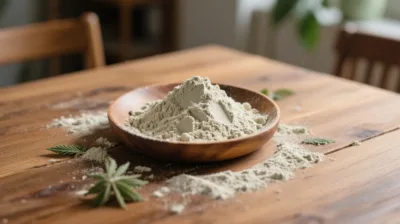
Cold-pressed (virgin) hemp seed oil is mechanically extracted at low temperature, usually below 40°C, with no solvents involved. The process preserves the green color, the grassy-nutty aroma, and the full fatty-acid and tocopherol profile. This is the grade cosmetic and premium-food buyers want when a label carries “raw” and “unrefined” claims.
Refined hemp seed oil starts as the same pressed oil, then goes through neutralization, bleaching, and deodorization to strip color, odor, and bitterness while raising the smoke point. The trade-off is a loss of some delicate nutrients, notably vitamin E and minor polyphenols, in exchange for a lighter, more stable oil that survives heat and longer shelf exposure. Both grades can be certified organic. Refined describes a processing step, not a quality downgrade.
Specification table: cold-pressed vs refined
| Attribute | Cold-Pressed (Virgin) | Refined | B2B Note |
|---|---|---|---|
| Extraction | Mechanical <40°C | Mechanical + refine/bleach/deodorize | Refining is solvent-free in food grade |
| Color / odor | Green, grassy-nutty | Pale, near-neutral | Refined suits sensitive fragrances |
| Smoke point | ~165°C | ~210°C+ | Refined for cooking & heat steps |
| Omega-3 (ALA) | High, intact | Slightly reduced | Both deliver the 3:1 ratio |
| Vitamin E | Higher | Lower after deodorizing | Cold-pressed better for antioxidant claims |
| Oxidative stability | Lower | Higher | Refined stores and ships easier |
| Shelf life | 9-12 mo (cool, dark) | 12-18 mo | Both need oxygen-reduced pack |
| Best use | Skincare, dressings, finishes | Baking, capsules, heated bases | Match grade to process temperature |
Source: typical food-grade specifications; verify per COA.
How to use each grade
Choose cold-pressed for cosmetic serums, scalp and skin oils, and finished-food dressings where raw-nutrient and aroma claims matter. Add it cold or post-heat to protect ALA and tocopherols, and package in amber or aluminum with oxygen reduction.
Choose refined whenever the process involves heat: baked goods, encapsulated oils, margarine bases, and stable cosmetic emulsions where a neutral odor prevents fragrance clashes. Refined oil also travels better through warm climates and gives procurement a longer, more predictable shelf life.
Most brands end up needing both grades rather than picking one. A cold-pressed hero oil anchors the premium line while a refined workhorse carries heated or neutral-base SKUs. Keep inclusion rates modest in foods, roughly 5 to 15% of the fat phase, and always validate compatibility in the emulsion during pilot runs.
Benefits of getting the choice right
- Claim integrity: cold-pressed supports “unrefined” and “raw” marketing; refined supports “neutral” and “heat-stable” positioning without overclaiming.
- Sensory control: refined removes the grassy note that can clash with fruit or vanilla profiles, while cold-pressed delivers the authentic hemp character premium buyers expect.
- Stability and waste reduction: matching grade to process cuts rancidity returns and extends sell-by windows.
Safety and precautions
Both grades are food- and cosmetic-safe, but oxidation is the shared enemy. Require a per-batch COA covering fatty-acid profile, peroxide value, and free fatty acid, set incoming specifications accordingly, and reject lots with a high PV. Store below 20°C away from light, and use nitrogen or vacuum packaging for bulk volumes.
Two documentation points deserve attention. Hemp seed oil is not a major allergen and tests non-detect for THC when pressed from cleaned seed, but both statements belong in the quality file rather than in assumptions. Neither grade should ever be marketed as CBD or as therapeutic.
FAQ
Does hemp seed oil need refrigeration? Cold-pressed oil should be refrigerated after opening and kept cool in transit. Refined oil is more stable yet still benefits from dark, moderate-temperature storage. Oxygen-reduced packaging extends the shelf life of both grades.
Which grade works better for skin care? Cold-pressed for serums and facial oils, where color, aroma, and vitamin E matter; refined for neutral emulsions, soaps, and heat-processed bases, where odor control wins.
Is refined hemp oil less healthy? It retains the core 3:1 omega ratio but loses some vitamin E and aroma compounds during deodorizing. Less processed is not automatically more effective for every application; match the grade to the formulation need.
Can one COA cover both grades? No. Specifications differ by process, so procure and file a separate COA per grade and per batch, covering fatty acids, peroxide value, and contaminants.
Talk to procurement
Unsure which grade fits a given product line? Request the hemp seed oil specification sheet and sample set covering both cold-pressed and refined options, complete with COA documentation, organic certification, and shelf-life data. Procurement support can match grade to process temperature, packaging format, and claim strategy before scaling up.
Recommended Products

Organic Hemp Seed Oil
100% USDA Organic Certified • Non-GMO Verified • Hexane-Free Extraction • Naturally balanced 3:1…
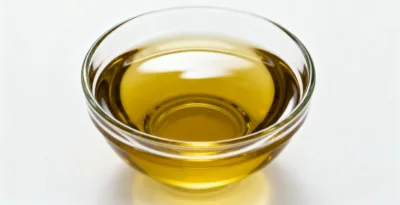
Organic Refined Hemp Seed Oil
100% Certified Organic • Non-GMO Verified • Neutral Flavor • High Smoke Point 232°C
Related Posts