Why the difference matters
Hemp protein powder and hemp peptide powder both come from hemp seeds and both deliver protein nutrition, but they are not interchangeable. The two forms are processed differently, absorbed differently, and suited to different applications.
Many buyers assume “peptide” is just a marketing upgrade on protein, a fancier label for the same thing. That misunderstanding leads directly to wrong purchasing decisions, whether you are a food manufacturer selecting an ingredient or an individual trying to supplement your diet effectively.
This article defines both forms clearly, compares them across the dimensions that matter most (molecular structure, digestion, bioactivity, cost, application fit), and gives you a framework for deciding which one to use.
What hemp protein powder is
Hemp protein powder is made by cold-pressing hemp seeds to extract oil, then milling the remaining press cake into a fine powder. Protein content in the press cake typically runs 45% to 60% depending on pressing efficiency and final grind particle size.
Two proteins dominate: edestin (around 65-70% of total protein) and albumin (roughly 30-35%). Both are complete proteins, meaning they contain all nine essential amino acids. Edestin is a globulin structurally similar to blood plasma proteins; albumin is water-soluble and heat-sensitive.
At this stage the protein exists as large intact molecules: long chains of amino acids folded into complex three-dimensional shapes. When you consume hemp protein powder, your body has to dismantle those structures through a multi-step digestive process. Stomach acid unfolds the proteins (denaturation), then protease enzymes in the small intestine cleave the chains into ever smaller fragments, gradually releasing amino acids and short peptides that can cross the intestinal wall.
Organic hemp seed protein powder in this form is shelf-stable, cost-effective, and well suited to applications where protein content and amino acid completeness are the primary goals.
What hemp peptide powder is
Hemp peptide powder starts from the same raw material, cold-pressed hemp protein, but takes one extra step: enzymatic hydrolysis.
Food-grade enzymes are introduced to a water-based slurry of hemp protein under controlled temperature and pH. The enzymes cut the protein chains at specific cleavage points, breaking the large molecules into much shorter fragments: sequences of two to twenty amino acids, called peptides.
After hydrolysis, the material is filtered to remove larger undigested fragments and spray-dried into a fine powder. The result, hemp peptide powder, has a molecular weight profile concentrated below 1,000 Daltons, with a significant share of the material present as di- and tripeptides (chains of just two or three amino acids).
That extra processing step fundamentally changes how the ingredient behaves in the body and in food systems.
Comparing the two: five key dimensions
1. Molecular size and structure
| Hemp Protein Powder | Hemp Peptide Powder | |
|---|---|---|
| Molecular form | Intact proteins (large molecules) | Hydrolyzed peptides (short chains) |
| Typical molecular weight | 200,000-300,000+ Daltons | Majority below 1,000 Daltons |
| Solubility in water | Lower (~10-30% native solubility) | Higher (~80%+ after hydrolysis) |
The size gap is substantial. A full hemp protein molecule may contain several hundred amino acids; a di-peptide contains two. Nearly every practical difference between the two ingredients traces back to this structural distance.
2. Digestion and absorption speed
Hemp protein powder requires the full digestive sequence described above, which works fine for a healthy adult with normal digestive function. Amino acids become available over two to four hours after ingestion.
Hemp peptide powder bypasses much of that process. Because the peptide chains are already short, they are absorbed through the PepT1 transporter system in the intestinal wall, a proton-coupled pathway dedicated to di- and tripeptides. It operates independently of the sodium-dependent transporters used by free amino acids, so there is less competition and faster entry into circulation.
Research on hydrolyzed proteins generally shows peak plasma amino acid concentrations arriving 20-40 minutes earlier with peptide forms than with intact proteins. For athletes targeting the post-exercise anabolic window, or older adults with reduced digestive capacity, that head start is a practical advantage.
3. Bioactive properties
Here hemp peptide powder offers something hemp protein powder structurally cannot: specific short amino acid sequences with measurable biological activity beyond basic nutrition.
Enzymatic hydrolysis liberates certain peptide sequences that then interact with enzymes and receptors in the body. Research published in the journal *Molecules* (2019) catalogued several categories of bioactivity in hemp-derived peptides:
- ACE-inhibitory activity: certain sequences inhibit angiotensin-converting enzyme, which regulates blood pressure. In laboratory assays, specific hemp peptide fractions showed comparable ACE-inhibitory activity to well-studied sources such as casein-derived peptides.
- Antioxidant activity: peptide fractions containing hydrophobic residues and aromatic amino acids demonstrated free radical scavenging ability in in-vitro models.
- Anti-inflammatory activity: some sequences showed inhibitory effects on inflammatory pathways in cell studies.
Intact hemp protein powder does not deliver these bioactive effects the same way, because the active sequences stay locked inside the larger protein structure until hydrolysis frees them. Whether digestion releases enough of those sequences in the gut to produce clinically meaningful effects is still being researched. The pre-hydrolyzed peptide form simply removes that uncertainty.
4. Application fit in food and supplement manufacturing
Differences in solubility, particle behavior, and molecular weight make the two ingredients perform very differently in formulation.
Hemp protein powder fits better in:
- Protein smoothies and shakes where texture is acceptable
- Baked goods where protein content matters more than clarity
- Protein bars where binding properties are valued
- Products targeting general protein supplementation at a moderate price point
Hemp peptide powder wins when the brief calls for:
- Clear or near-clear beverages where opacity is unacceptable
- Ready-to-drink (RTD) protein products with strict clarity requirements
- Clinical and functional nutrition products targeting absorption speed
- Premium supplements where bioactive claims add value
- Applications aimed at older adults or people with digestive sensitivities
The higher solubility of peptide powder is not cosmetic. It affects dispersion stability, mouthfeel, and how much protein you can incorporate before sedimentation becomes a problem.
5. Cost
Enzymatic hydrolysis adds process steps, time, and enzyme costs, so hemp peptide powder is consistently more expensive per kilogram of protein equivalent. The premium varies by specification (degree of hydrolysis, molecular weight cutoff, purity), but buyers should expect a meaningful price difference either way.
For most commodity protein applications, hemp protein powder is the economically appropriate choice. Peptide powder earns its cost only when the application requires rapid absorption, bioactive properties, improved solubility, or premium-segment positioning.
Side-by-side summary
| Criterion | Hemp Protein Powder | Hemp Peptide Powder |
|---|---|---|
| Raw material origin | Cold-pressed hemp seed cake | Cold-pressed hemp seed cake |
| Processing | Milling only | Milling + enzymatic hydrolysis + spray drying |
| Protein content | 45-60% | 80%+ (concentrated after hydrolysis) |
| Molecular weight | Large intact proteins | Mostly < 1,000 Daltons |
| Water solubility | Moderate | High |
| Absorption speed | Moderate (2-4 hours) | Fast (peak amino acids ~30 min earlier) |
| Bioactive peptides | Not pre-released | Pre-released, measurable bioactivity |
| Typical applications | Shakes, bars, baking | RTD beverages, clinical nutrition, premium supplements |
| Price point | Moderate | Higher |
| Best for | General protein supplementation, cost-sensitive formulations | High-absorption needs, premium positioning, digestive sensitivity |
Which should you choose?
It depends on what you are trying to achieve.
Choose hemp protein powder if your primary goal is adding complete plant protein at a reasonable cost. Formulating protein bars, baked goods, or standard shakes? Shopping for a straightforward protein source as a consumer? Hemp protein powder covers the requirement without the cost premium.
Choose hemp peptide powder if absorption speed matters (post-exercise recovery, older adults, clinical applications), if your formulation demands high water solubility for clear beverages or RTD products, or if you are targeting a premium market where bioactive properties and faster delivery carry the value proposition.
Some applications benefit from both: a base protein contribution from hemp protein powder complemented by a smaller quantity of hemp peptide for absorption speed and bioactivity. Advanced sports nutrition formulations use exactly this blending approach when ingredient cost must be balanced against performance claims.
For B2B sourcing inquiries on either ingredient, Contact Us to discuss specifications, certifications, and minimum order quantities.
Production standards at HEMPLAND
Both ingredients are produced from certified organic hemp seed protein sourced and processed under HEMPLAND’s integrated quality system. The raw press cake passes through identity verification and heavy metal screening before either product is manufactured. For the peptide powder specifically, the enzymatic hydrolysis uses food-grade enzyme preparations, and every batch is tested for molecular weight distribution to confirm the peptide profile before release.
Neither product contains added isolates, synthetic amino acids, or protein concentrates from non-hemp sources. What leaves our facility is derived entirely from the hemp seed.
Key takeaways
- Same source, different ingredients: hemp protein powder and hemp peptide powder start from the same seed but end up structurally and functionally distinct.
- The peptide form is pre-digested, with shorter chains absorbed faster through a dedicated transport pathway.
- Bioactive sequences with ACE-inhibitory, antioxidant, and anti-inflammatory activity are pre-released in the peptide form; intact protein keeps them locked away until digestion.
- Solubility differences make peptide powder the default choice for clear-liquid applications.
- The cost premium makes sense only when premium absorption or bioactive properties are part of the product’s value; otherwise hemp protein powder remains the right ingredient.
Recommended Products
Organic Hemp Seed Protein
Premium organic hemp seed protein powder — 70%, 75%, 80% protein grades. Complete plant…
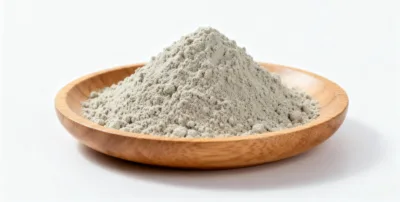
Hemp Peptide Powder
Highly bioavailable, easily digestible plant protein with functional benefits from organic hemp.
Related Posts