Protein supplementation has evolved from a niche athletic practice into a mainstream nutritional strategy. Consumers across fitness levels and health goals increasingly work protein supplements into daily routines. Within this crowded market, organic hemp seed protein powder has carved out a distinctive position, appealing to health-conscious people looking for alternatives to conventional protein sources.
This guide covers what you need to know about organic hemp seed protein, from the nutritional science to practical selection criteria.
What is hemp seed protein?
Hemp seed protein powder comes from hemp seeds produced by Cannabis sativa plants bred for industrial use. Despite the botanical link to marijuana, industrial hemp contains negligible THC, the psychoactive compound behind marijuana’s effects. Hemp seed protein is completely safe, legal, and non-psychoactive.
Production process
Understanding how hemp protein is produced clarifies what ends up in the final product:
- Seed cultivation: industrial hemp varieties are grown for seed, typically under organic certification protocols.
- Seed harvesting: mature plants are harvested, and seeds are separated from stalks and processed.
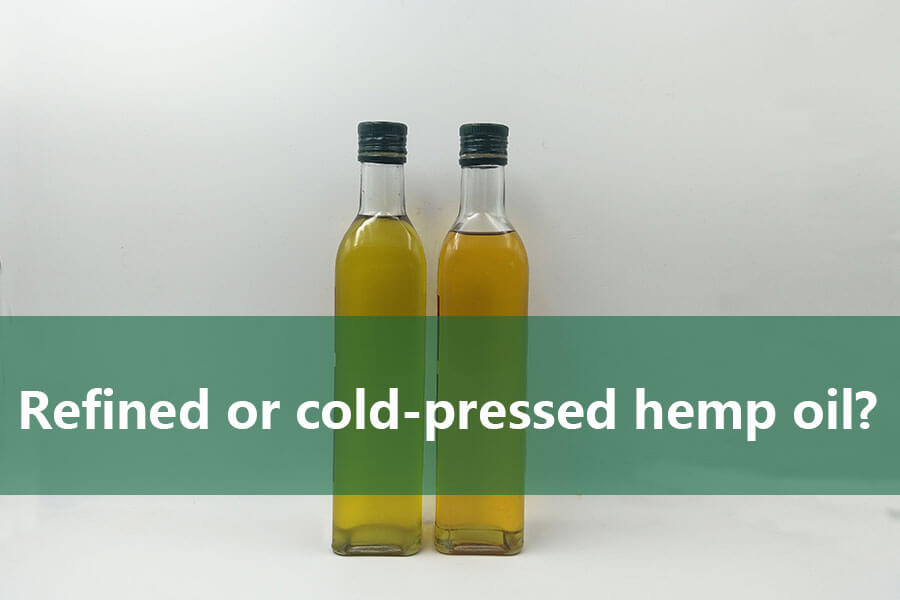
- Oil extraction: mechanical cold-pressing removes hemp seed oil, a premium culinary and cosmetic ingredient. This step takes roughly 30 to 40 percent of the seed’s oil content.
- Protein processing: the remaining defatted meal is milled and classified to concentrate protein, producing concentrates with 50 to 60 percent protein by weight.
- Quality finishing: extra steps may include air classification, fine milling, or blending to reach the desired functional properties.
The result is a powder that keeps the nutritional complexity of whole hemp seeds while delivering concentrated protein.
Nutritional profile deep dive
Protein content and quality
Hemp protein powder typically contains 50 to 60 percent protein by weight, lower than concentrated isolates like whey (90% or higher) or pea (80 to 90 percent) but higher than whole-food alternatives.
- Complete amino acid profile: hemp provides all nine essential amino acids required for human nutrition, qualifying it as a complete protein.
- Amino acid composition: hemp contains meaningful quantities of:
- Arginine: elevated levels support cardiovascular health and immune function.
- Branched-chain amino acids: moderate BCAAs support muscle protein synthesis.
- Glutamic acid: supports nitrogen balance and neurotransmitter function.
- Digestibility: hemp shows digestibility coefficients of 85 to 90 percent, so the body absorbs and uses most of the protein consumed. That compares well with other plant proteins and sits moderately below whey’s superior digestibility.
Beyond protein: additional nutrients
Hemp protein’s edge over other powders is its nutritional completeness beyond pure protein:
- Omega fatty acids: despite oil extraction, hemp retains residual omega-3 and omega-6 fatty acids. The roughly 3:1 omega-6 to omega-3 ratio lines up with recommendations for inflammatory balance.
- Dietary fiber: hemp contains 20 to 30 percent fiber, supporting digestive health and promoting satiety. This fraction sets it apart from refined isolates.
- Essential minerals: hemp provides meaningful quantities of:
- Zinc: immune function and protein synthesis support.
- Magnesium: energy metabolism and muscle function.
- Iron: oxygen transport in blood.
- Phosphorus: bone health and cellular energy.
- Vitamin content: B vitamins including folate and vitamin B6 support energy metabolism and nervous system function.
- Antioxidants: phenolic compounds and vitamin E give antioxidant protection against cellular damage.
This nutritional complexity makes hemp a whole-food ingredient rather than a refined protein supplement.
Health benefits
Digestive system support
The fiber in hemp protein brings real digestive benefits:
- Prebiotic effects: soluble fiber feeds beneficial gut bacteria, supporting microbiome diversity and function.
- Regularity promotion: adequate fiber maintains bowel regularity and prevents constipation.
- Satiety enhancement: fiber promotes fullness that supports appetite management and weight control.
People moving from refined protein supplements to hemp often report better digestive comfort and regularity.
Cardiovascular health
Hemp protein’s nutritional profile supports cardiovascular wellness through several mechanisms:
- Omega fatty acid balance: the favorable omega-3 to omega-6 ratio supports a healthy inflammatory balance that benefits cardiovascular tissue.
- Arginine content: this amino acid is a precursor for nitric oxide production, supporting healthy blood vessel dilation and circulation.
- Fiber contribution: soluble fiber helps manage cholesterol by reducing absorption.
- Magnesium availability: adequate magnesium supports healthy blood pressure regulation.
While not a treatment, adding hemp protein to a heart-healthy diet contributes to cardiovascular wellness.
Blood sugar regulation
Research suggests hemp protein may support blood sugar management:
- Slow digestion: protein and fiber slow glucose absorption, reducing post-meal blood sugar spikes.
- Amino acid effects: certain amino acids may improve insulin sensitivity.
- Replacing refined carbs: using hemp protein instead of high-glycemic snacks helps keep blood sugar steady.
These effects make hemp protein suitable for people managing blood sugar concerns or trying to avoid energy crashes.
Immune function support
The zinc in hemp protein contributes to immune function:
- Zinc and immunity: adequate zinc status supports immune cell development and function.
- Wound healing: zinc takes part in tissue repair.
- Antimicrobial properties: zinc shows direct antimicrobial activity.
Pairing hemp protein with other zinc-containing foods supports overall immune nutrition.
Anti-Inflammatory benefits
Chronic inflammation underlies many health conditions. Hemp protein’s nutritional profile offers anti-inflammatory support:
- Omega-3 content: alpha-linolenic acid provides the foundation for anti-inflammatory eicosanoid production.
- Gamma-linolenic acid: GLA, present in hemp, has shown anti-inflammatory properties in research.
- Antioxidant compounds: vitamin E and phenolic compounds reduce oxidative stress that drives inflammation.
Regular hemp protein consumption supports inflammatory balance as part of a broader dietary approach.
Athletic applications
Muscle building support
Athletes considering hemp protein for muscle building should understand its role:
- Adequate protein intake: hemp effectively supports muscle protein synthesis when eaten in sufficient quantities.
- Moderate leucine content: hemp’s leucine levels support but do not maximize muscle building next to high-leucine proteins like whey.
- Practical recommendations: athletes using hemp should take slightly larger servings (40 to 50g) than whey (25 to 30g) for equivalent muscle-building stimulus.
- Combination strategies: many athletes blend hemp with higher-leucine plant proteins like pea to optimize amino acid profiles.
Endurance training
Endurance athletes may find hemp particularly suitable:
- Recovery minerals: zinc and magnesium support endurance recovery demands.
- Omega fatty acids: anti-inflammatory properties help high-volume training recovery.
- Sustainable energy: protein’s satiating effects support weight management, which matters for endurance athletes.
Active recovery
Hemp’s holistic nutritional profile supports general active recovery:
- Mineral replenishment: training depletes minerals that hemp helps restore.
- Anti-inflammatory support: recovery between sessions benefits from hemp’s nutritional support.
- Digestive comfort: athletes with sensitive digestive systems may tolerate hemp better than dairy-based proteins.
Daily use guidelines
Recommended serving sizes
- General health maintenance: 20 to 30g hemp protein powder (about 10 to 15g protein) daily as a dietary supplement.
- Active individuals: 30 to 50g hemp protein powder (about 15 to 25g protein) spread across meals.
- Athletic training: combine hemp with complementary sources for higher total protein intake.
Timing considerations
Hemp’s moderate digestion rate makes it versatile across timing strategies:
- Morning supplementation: adding hemp to breakfast smoothies or oatmeal starts the day with protein support.
- Post-workout recovery: taking hemp after training supports muscle recovery (consider pairing with a faster-digesting protein for best results).
- Meal enhancement: working hemp into meals and snacks raises daily protein intake without big dietary changes.
- Pre-bedtime: the fiber content and moderate digestion rate make hemp suitable for evening use.
Incorporation methods
- Smoothies and shakes: the most common use, blending hemp with fruit, vegetables, and liquid.
- Oatmeal and breakfast bowls: stirring hemp into hot or cold cereals adds protein and nutrition.
- Baking applications: adding hemp to cookies, bars, pancakes, and baked goods.
- Yogurt and parfait: mixing into yogurt or layering in parfaits adds protein to breakfast or snacks.
- Energy balls and bars: homemade protein snacks combining hemp with nuts, dates, and other ingredients.
Selecting quality products
Certification considerations
- Organic certification: organic hemp protein avoids synthetic pesticides and fertilizers, supporting both sustainability and consumer preferences.
- Non-GMO verification: hemp is rarely genetically modified, but verification gives consumer confidence.
- Third-party testing: independent testing for heavy metals, microbial contamination, and THC content ensures safety.
Quality indicators
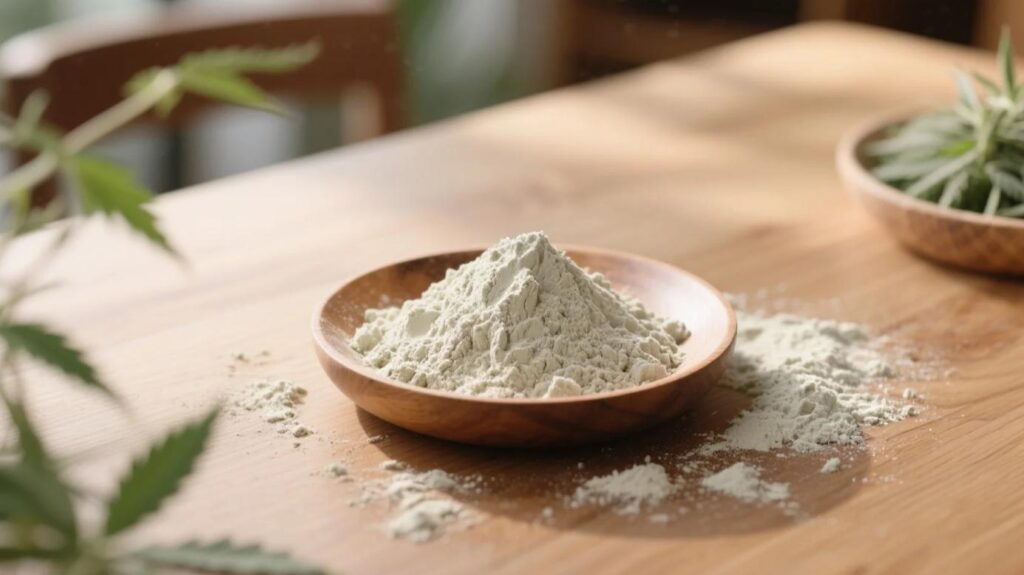
- Color and appearance: quality hemp protein shows a consistent light-to-medium green from natural chlorophyll.
- Odor: a fresh, nutty aroma indicates proper storage and processing. Rancid or off odors suggest oxidation and degradation.
- Texture: fine, uniform particle size ensures good mixing. Gritty or inconsistent texture signals inferior processing.
- Flavor: a clean, nutty taste without bitterness indicates quality processing and fresh ingredients.
Red flags to avoid
- Unrealistic protein claims: content above 60 percent suggests possible adulteration or added non-hemp protein.
- Missing certification information: reputable brands provide certification documents and test results.
- Excessive pricing: while quality carries a premium, extreme cost gaps may signal quality or supply chain problems.
- Missing batch information: traceability to specific production batches shows quality control commitment.
Storage and shelf life
- Proper storage: cool, dry storage away from light extends shelf life.
- Shelf life: properly stored hemp protein keeps quality for 12 to 18 months.
- Refrigeration: storing opened containers in the fridge slows oxidation and extends freshness.
- Signs of degradation: off odors, flavor changes, or color shifts mean the product should be discarded.
Comparing hemp to other proteins
| Characteristic | Hemp Protein | Whey Protein | Pea Protein | Soy Protein |
|---|---|---|---|---|
| Protein concentration | 50-60% | 90%+ | 80-90% | 90%+ |
| Allergen status | Allergen-free | Dairy | Allergen-free | Major allergen |
| Amino acid completeness | Complete | Complete | Complete | Complete |
| BCAA content | Moderate | High | High | Good |
| Fiber content | High | None | Moderate | Low |
| Omega fatty acids | Yes | No | No | No |
| Digestibility | Good | Excellent | Good | Good |
| Flavor | Nutty | Milky | Earthy | Neutral |
HEMPLAND produces organic hemp seed protein powder that meets the quality benchmarks described in this guide, with PDCAAS data and certificates available on request.
Common questions
Is hemp protein safe?
Yes. Hemp seed products contain negligible THC (less than 0.3% by law) and produce no psychoactive effects. Hemp protein is legal wherever sold and has been consumed safely for decades.
Will hemp protein cause a positive drug test?
No. Standard drug tests screen for THC metabolites, not hemp seed proteins. Eating hemp protein will not trigger positive results on workplace or athletic screening.
How does hemp protein taste?
Hemp protein has a mild, nutty flavor reminiscent of sunflower or sesame seeds. It is less distinctive than pea protein and blends reasonably with various flavor profiles.
Can I use hemp protein for cooking and baking?
Hemp protein tolerates moderate heat but may lose some nutritional value at very high temperatures. Best uses include adding it to already-cooked foods, baking at moderate temperatures, or using it in no-bake recipes.
Is hemp protein suitable for all diets?
Hemp protein fits diverse dietary patterns including vegan, vegetarian, gluten-free, dairy-free, and allergen-free approaches.
Conclusion
Organic hemp seed protein powder offers a distinctive approach to protein supplementation that delivers more than pure protein. Its combination of complete amino acid support, omega fatty acids, dietary fiber, essential minerals, and antioxidants creates a holistic nutritional profile that sets hemp apart from refined isolates.
For consumers wanting alternatives to conventional supplements, athletes pursuing plant-based strategies, or health-conscious people prioritizing nutritional completeness, hemp protein provides real value backed by both traditional use and modern nutritional science.
Understanding hemp protein’s benefits, applications, and quality criteria supports informed decisions about adding it to your diet. Whether used alone or combined with complementary proteins, organic hemp seed protein is a science-backed option for meeting protein needs.
This guide looks past marketing claims to give practical, evidence-based understanding that serves both individual consumers making health decisions and shoppers evaluating products in an increasingly complex supplement market.
Recommended Products
Organic Hemp Seed Protein
Complete Amino Acid Profile · Allergen-Free · Neutral Flavor · USDA Organic Certified ·…